I stood inside a DMart store in Thane last month. The store manager looked exhausted. "We run out of atta every Sunday," he told me. "And then I have 200 customers asking the same question. When is the next truck coming?"
He showed me his phone. He still uses WhatsApp to order from the warehouse. One message to one guy. That guy forwards it to another guy.
Three years ago, this store did ₹2 crore in monthly sales. Now they do ₹4 crore. But the ordering process has not changed at all. That is the problem with Indian grocery.
Automated grocery replenishment sounds fancy. American robots. German software. But in India, the rules are different. We have 40°C heat. We have power cuts. We have suppliers who show up late or not at all.
Let me walk you through what actually works on Indian ground.
The Kerala Lesson: How Lulu Mall Fixed Their Stock Problem?
Lulu Hypermarket in Kochi has a problem most stores would kill for. Too many customers. During Onam season, their footfall doubles. The store runs out of popular items within hours. People get angry.
Their old system? Store managers called the warehouse every morning. The warehouse manager yelled at them. Nobody was happy.
Read Also: Walmart Is Closing Early Christmas Eve and All Christmas Day
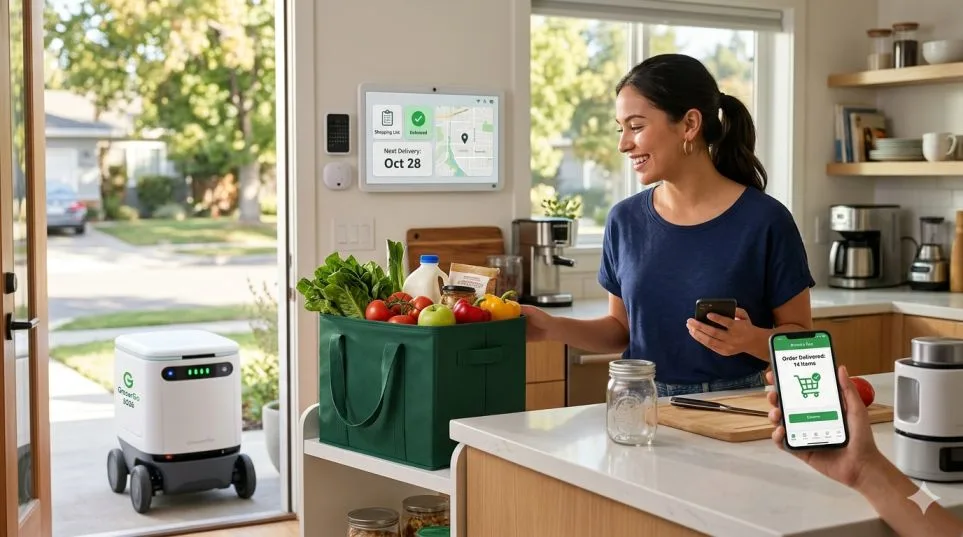
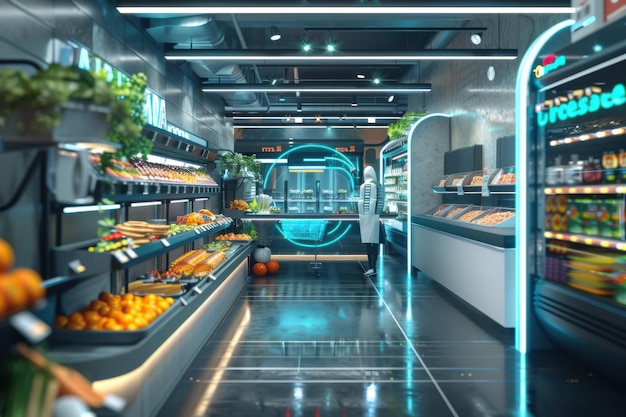
Then they installed an automated grocery replenishment system for their high-volume items. Rice, sugar, cooking oil, atta. The system watches stock in real time. When coconut oil hits 50 units, it sends a message to the warehouse automatically .
The result? Stock availability went from 82% to 96% during peak season.
Here is the key. They did not automate everything. Just the top 100 fast-moving items. The rest still use manual orders.
Start small. That is the lesson.
Why Indian Grocery Is Different (And Harder)?
I have seen American automated systems fail in India. Not because the technology is bad. Because the conditions are different.
1: The Heat
Your average American grocery store is 20°C. Your average Indian store hits 35°C easily.
Sensors that work in Chicago fail in Chennai. The heat kills batteries. Humidity kills circuit boards.
One store in Bangalore tried an automated system for dairy. The temperature sensor kept tripping. The system thought the milk was warm. It kept ordering less stock. Actually, the milk was fine. The sensor was just hot.
Fix: Buy industrial-grade sensors rated for 50°C. They cost more. But they work.
2: The Power
Automated systems need electricity. Indian grid gives you three types of electricity. Good electricity. Bad electricity. No electricity.
A store in Lucknow installed ceiling cameras to watch shelves. The cameras worked fine for two weeks. Then a voltage fluctuation fried three of them. Cost ₹1.2 lakhs to replace.
Fix: Put every automated device on a voltage stabilizer. Not a cheap one. A good one. Save yourself the headache.
3: The Supplier
American suppliers deliver on time 98% of the time. Indian suppliers? Maybe 70% on a good day.
Your automated system thinks milk will arrive tomorrow at 8 AM. The milk actually arrives at 2 PM. Now your shelf is empty for six hours. Customers complain. You lose sales.
Fix: Build buffer stock into your minimum levels. If you need 50 units to cover 2 days of sales, set your minimum to 80 units. The extra 30 units cover the late truck.
The Two Types of Replenishment for Indian Stores
Let me keep this simple. You have two choices.
Choice 1: Time-Based (Every Morning at 6 AM)
The system checks stock at fixed times. Most Indian stores choose 6 AM and 2 PM.
At 6 AM, the system sees you have 10 packets of Maggi left. Your minimum is 20. The system automatically creates an order for 30 more packets.
Best for: Staples. Rice, dal, oil, sugar. Things that do not go bad quickly.
Not best for: Bread, curd, paneer. These need real-time checking.
One store in Pune uses time-based for 80% of their products. The manager told me, "I do not need to know about dal immediately. I need to know about bread immediately."
Choice 2: Event-Based (The Moment It Runs Low)
The system watches stock continuously. The moment a customer buys the last bottle of cold drink, the system triggers a restock.
Best for: Fast-moving items. Bread, milk, eggs, cold drinks. The things customers get angry about.
Not best for: Slow-moving items like gourmet cheese or imported sauces.
A Reliance Smart store in Mumbai uses event-based only for 50 items. The rest use time-based. That 50 covers 60% of their daily sales.
Total Cost: What You Will Actually Spend?
Let me give you real numbers. I collected these from store owners who have done this.
The Budget Setup (Small Store, 500-1000 sq ft)
| Item | Cost |
|---|---|
| Basic inventory software (annual) | ₹15,000 - ₹25,000 |
| Barcode scanner (2 units) | ₹8,000 - ₹12,000 |
| Thermal printer for labels | ₹5,000 - ₹8,000 |
| Staff training | ₹10,000 - ₹15,000 |
| Total | ₹38,000 - ₹60,000 |
One small store in Nagpur uses this setup. The owner said, "I still type some orders manually. But the system tells me what to type. That alone saved me 2 hours every day."
The Mid Setup (Medium Store, 1000-3000 sq ft)
| Item | Cost |
|---|---|
| Cloud inventory software (annual) | ₹40,000 - ₹80,000 |
| RFID handheld readers (3 units) | ₹25,000 - ₹40,000 |
| Shelf sensors (for top 100 items) | ₹80,000 - ₹1.5 lakhs |
| Voltage stabilizers + backup | ₹30,000 - ₹50,000 |
| Installation + training | ₹40,000 - ₹60,000 |
| Total | ₹2.15 lakhs - ₹3.8 lakhs |
A store in Hyderabad spent ₹3.2 lakhs on this setup. They told me, "We break even in 8 months. Less waste. Less staff time. Fewer angry customers."
The Full Setup (Large Store, 3000+ sq ft)
| Item | Cost |
|---|---|
| Advanced WMS software (annual) | ₹1.5 lakhs - ₹3 lakhs |
| RFID tags (50,000 units) | ₹2 lakhs - ₹3 lakhs |
| Ceiling cameras for shelf monitoring | ₹3 lakhs - ₹6 lakhs |
| Temperature sensors (cold chain) | ₹50,000 - ₹1 lakh |
| Generator + stabilizers | ₹1 lakh - ₹2 lakhs |
| Installation + training | ₹1 lakh - ₹2 lakhs |
| Total | ₹9 lakhs - ₹17 lakhs |
A large store in Bengaluru spent ₹14 lakhs. They saw ROI in 14 months. But they have 15,000 SKUs and ₹50 crore annual revenue. For them, it made sense.
Where Indian Stores Lose Money?
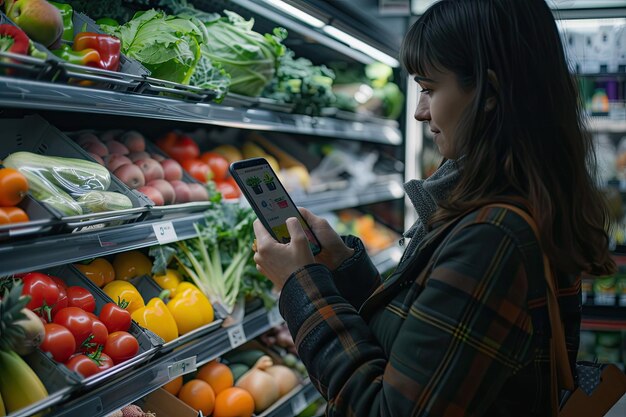
I visited 12 stores that tried automation and failed. Here is why.
1: Wrong Minimum Stock Levels
A store in Jaipur set their minimum for cooking oil at 10 bottles. The system triggered an order every time they hit 10. Problem? Their supplier took 4 days to deliver. They ran out on day 2 every single week.
You Must Also Like: Walmart Credit Card APR: Is the Interest Rate Too High?
They changed the minimum to 30 bottles. Now the system triggers an order when stock hits 30. The supplier has 4 days. The store never runs out.
Lesson: Match your minimum to your supplier's delivery time. Not to your daily sales.
2: Ignoring Seasonal Spikes
A store in Bhubaneswar set their rules in January. Everything worked fine until June. Rath Yatra happened. The city filled with visitors. Their automated system did not know about the festival. They ran out of water, chips, and cold drinks within two days.
Lesson: Your system needs manual overrides for festivals. Diwali, Rath Yatra, Eid, Pongal, Onam. Program these dates into your calendar.
3: One System for Everything
A store in Chennai bought one software for all their products. It worked fine for dry goods. It failed completely for fresh vegetables.
Why? Vegetables have different rules. Some last 5 days. Some last 1 day. Some sell fast. Some sell slow.
Lesson: Use different rules for different categories. Don't force everything into the same box.
The 2026 Indian Market: What Is Changing?
Three things are happening right now that change the game.
Change 1: Quick Commerce Is Training Customers
Zepto, Blinkit, Instamart. These apps deliver groceries in 10 minutes. Your customers now expect everything to be available instantly. They have less patience for empty shelves.
A store owner in Gurgaon told me, "My customers check the app before coming to my store. If the app shows out of stock, they do not come at all."
What this means: Your shelf availability is now your marketing. Empty shelf = lost customer for the whole trip, not just that product.
Change 2: B2B Delivery Platforms Are Maturing
Jumbotail is building the operating system for 50,000 small grocery stores . They handle ordering, payments, logistics. Store owners just accept or reject recommendations.
A store in Pune uses Jumbotail. The owner said, "I used to spend 2 hours every morning ordering from 20 different distributors. Now I spend 10 minutes. The app shows me what to buy."
What this means: You do not need to build your own automation from scratch. These platforms already exist. Use them.
Change 3: UPI Is Everywhere
UPI changed payments. Now it is changing inventory.
When a customer pays via UPI, the transaction is digital. The system knows exactly what sold. Instantly. No manual entry. No barcode scanning. Just data.
A store in Bangalore connected their UPI payments to their inventory system. Now when a customer buys bread, the system subtracts one bread automatically. Replenishment triggers instantly.
What this means: Your payment data is your inventory data. Connect them. It is cheap and easy.
Corporate Replenishment Policies: Writing Rules That Work
If you run a chain of stores, you need written corporate replenishment policies . Here is what to put in them.
Rule 1: Category-Based Rules
Write down how you treat each category.
Example:
- Dry staples (rice, dal, atta): Minimum = 5 days of sales. Maximum = 10 days of sales. Check twice daily.
- Dairy (milk, curd, paneer): Minimum = 1.5 days of sales. Maximum = 2 days of sales. Real-time checking.
- Snacks and beverages: Minimum = 3 days of sales. Maximum = 6 days of sales. Check once daily.
Rule 2: Supplier Performance Tracking
Track every supplier's on-time delivery rate. If a supplier delivers late more than 15% of the time, adjust your minimums.
Bad supplier = higher minimum stock. Good supplier = lower minimum stock.
Rule 3: Festival Override Process
Write down who can override the system. How much extra stock they can order. And when the override expires.
One chain requires store managers to submit a festival order plan 15 days before any major festival. The plan must show:
- Which products need extra stock
- How much extra
- Which supplier is providing it
No plan. No override. Simple.
What to Buy and What to Skip (Buying Guidance)?
Buy These
1. A good barcode scanner. Not the cheapest one. Buy one that works in bright sunlight and dim storage rooms. Zebra and Honeywell make reliable ones.
2. Voltage stabilizers. Every automated device needs one. Not negotiable.
3. Cloud backup. Your local server will crash. Your data should not disappear. Pay for cloud storage.
Skip These
1. Expensive shelf sensors for every product. Start with your top 50-100 items. That covers most of your sales. Add more later.
2. Robots. I have seen Indian stores try shelf-scanning robots. The robots cannot handle narrow aisles, crowded stores, or curious children. Not worth the money yet.
3. Foreign software without local support. American software works great in America. In India, you need someone who picks up the phone at 8 PM on a Sunday. Buy from vendors with local support teams.
Three Indian Stores Doing It Right
Store 1: The Chennai Kirana Chain (5 stores)
They spent ₹1.2 lakhs on basic automation. Barcode scanner. Simple software. Staff training.
They focused on top 200 items only. The owner told me, "I do not need to automate everything. I need to automate what sells."
Result: Waste reduced by 35%. Staff time on ordering reduced by 2 hours per day per store.
Store 2: The Pune Premium Grocer (1 large store)
They spent ₹8 lakhs. RFID tags on all high-value items. Ceiling cameras in the dairy section.
The owner said, "I lose ₹15,000 every month to expired paneer. Now the system warns me 2 days before expiry. I put it on discount. No more waste."
Result: Dairy waste dropped from 8% to 2%. Paid for the system in 9 months.
Store 3: The Hyderabad Supermarket (10 stores)
They spent ₹45 lakhs across all stores. Full automation. Cloud software. Real-time dashboards.
The CEO told me, "I can see every store's stock from my phone. If a store in Gachibowli runs out of eggs, I know within 5 minutes. I can move stock from another store."
Result: Overall stock availability increased from 89% to 96%. Customer complaints about out-of-stock items dropped by 70%.
The Final Word
Automated grocery replenishment in India is not about replacing people. It is about helping them make better decisions.
The store manager in Thane who uses WhatsApp? He is not lazy. He is just stuck. He needs a system that tells him what to order. Not a system that replaces him.
Start small. Pick one category. One store. Fifty products.
Get the data right. Get the minimum levels right. Test for two weeks.
Then expand.
And remember the most important rule. Your customers do not care about your automation. They care about finding what they need. Keep the shelves full. The rest is just details.