The finance and insurance world is changing faster than ever. New digital tools are helping companies work smarter, safer, and more efficiently. Today, insurance tech solutions are not just about selling policies. They are about improving trust, speed, and system reliability. This is where advanced technology plays a key role in shaping the future of finance.
Modern insurance platforms now depend on strong data flow, secure communication, and smart automation. With proper IEC 61850 implementation, companies can connect systems smoothly, reduce errors, and improve real-time decision making. This standard helps manage complex digital operations with better control and clarity.
By using groundbreaking insurance tech solutions, financial firms can lower costs, boost accuracy, and deliver faster services to customers. These smart systems also support growth, compliance, and long-term stability. As finance continues to evolve, technology-driven insurance solutions are becoming essential for success in a digital-first world.
What is IEC 61850?
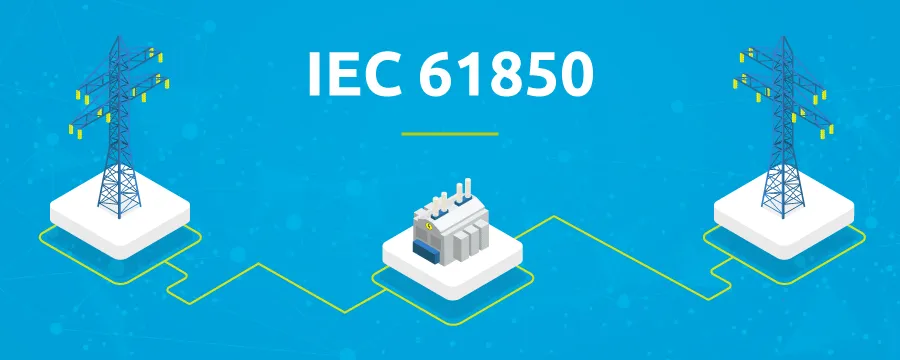
Have you ever wondered how devices like relays, meters, and breakers communicate? IEC 61850 standard is designed for that. It is a global rule that makes sure all devices in a substation can share information quickly and safely.
Before this standard, every device used its own language. This made it hard to monitor or control devices together. With IEC 61850 implementation, all devices can understand each other. This improves system reliability and reduces mistakes.
Key points about IEC 61850:
- It supports protection, control, and monitoring.
- It uses standard communication protocols for device interoperability.
This means your devices work together seamlessly, making your substation smarter and easier to manage.
Why IEC 61850 Implementation is Important
It’s no secret that modern substations are complex. Without proper communication, small problems can grow into big ones. IEC 61850 implementation makes sure devices talk clearly and errors are reduced.
Some benefits of implementing IEC 61850:
- Real-time monitoring: Engineers can see what is happening in the substation instantly.
- Better protection and control: Devices respond faster during faults or emergencies.
Also, using this standard makes future upgrades easier. When all devices follow the same rules, adding new equipment or software becomes simple. For companies, this means saving money, reducing downtime, and improving safety.
In short, IEC 61850 implementation helps substations become safer, smarter, and ready for future technology.
Simple Strategies to Start IEC 61850 Implementation
Many people think IEC 61850 is hard. But with a few simple steps, you can start successfully.
- Start Small: Choose one substation or one process to implement first. Don’t try to do everything at once.
- Use Standard Tools: Many software and devices already support IEC 61850. Using them saves time and avoids confusion.
Other tips:
- Train your team on basic substation communication concepts.
- Keep clear records of every step for future reference.
By following these strategies, the implementation process becomes smooth. You will gain confidence with small wins before managing bigger systems.
Best Practices for Smooth Implementation
To avoid mistakes, follow these simple best practices:
- Plan the Network: Map out all devices and their connections. This makes troubleshooting easier.
- Test in Phases: Check each device individually before full system activation.
Additional points to remember:
- Ensure all devices support IEC 61850 fully.
- Backup software and data regularly.
Following these practices reduces errors, saves time, and ensures a successful IEC 61850 implementation.
Common Mistakes to Avoid
Even with simple strategies, mistakes can slow down implementation. Be careful about these:
- Skipping team training. Staff must know how devices communicate.
- Ignoring network planning. Messy connections cause communication issues.
Other common errors:
- Using devices that don’t fully support IEC 61850.
- Skipping testing steps before going live.
Avoiding these mistakes ensures your system works correctly, devices communicate reliably, and the substation operates smoothly.
Benefits of IEC 61850 Implementation
Implementing IEC 61850 brings many benefits for substations:
- Improved device communication: Devices share information in real-time.
- Better system reliability: Quick response during faults reduces downtime.
- Future-ready system: Adding new devices is easier when all devices follow the standard.
- Cost savings: Reduces maintenance errors and downtime, saving money.
By following simple strategies and best practices, these benefits are easy to achieve. Even small substations can see big improvements in safety and efficiency.
How to Train Your Team for IEC 61850
Training is key to a successful implementation. Staff should learn how devices talk, how to use the software, and how to troubleshoot.
- Start with basic communication concepts.
- Provide hands-on practice with devices and software.
Other points:
- Document lessons and processes for future reference.
- Encourage questions and discussions during training sessions.
A well-trained team makes IEC 61850 implementation faster, smoother, and less prone to errors.
Conclusion
To sum up, IEC 61850 implementation does not have to be hard. With small, clear steps, good planning, and proper testing, anyone can make it work. This standard improves communication, reduces errors, and prepares substations for future upgrades.
The future of substations is bright with IEC 61850. By using simple strategies, engineers and companies can improve safety, efficiency, and reliability. Start today, follow these steps, and make your substation smarter and easier to manage.
FAQs About IEC 61850 Implementation
Q1: How long does it take to implement IEC 61850?
It depends on the size of your substation. Small systems may take a few weeks, while larger systems could take months. Starting small and testing in steps helps make the process smoother.
Q2: Do all devices need to support IEC 61850?
Not always. You can mix older and newer devices, but full benefits are achieved when all devices follow the IEC 61850 standard.
Q3: Is staff training necessary for IEC 61850 implementation?
Yes. Even basic training helps staff understand how devices communicate and how to troubleshoot problems effectively.
Q4: Can IEC 61850 improve system reliability?
Absolutely. By enabling real-time monitoring and better communication between devices, IEC 61850 reduces errors and downtime, making your substation safer and more reliable.
Q5: What is the easiest way to start IEC 61850 implementation?
The best way is to start with one substation or one process first. Use devices and software that support IEC 61850 and document each step. This makes implementation simple and manageable.