In today’s advanced age, numerous guardians and instructors need to offer assistance children with learning incapacities feel certain and effective. Children learn in distinctive ways, and a few may require more bolster in perusing, composing, or math. Learning inabilities do not cruel a child is less shrewd. It fair implies they may require additional offer assistance or diverse ways to get it information.
This article will explore practical, straightforward ways to offer assistance children with learning challenges. The steps shared here are simple to get it and can be utilized at domestic or in school. Each thought centers on thoughtfulness, persistence, and building certainty. By taking after these tips, children can feel glad of their advance and appreciate learning each day.
Read Also: Goodness Of Fit Child Development: Why It Matters for Every Kid
Understand the Child’s Needs

Every child with a learning incapacity is distinctive. A few may battle with perusing, whereas others discover math or composing difficult. The to begin with step is to watch and tune in. Take note when your child gets disappointed and what makes a difference them feel better.
It makes a difference to conversation with instructors or uncommon teachers. They can propose basic methodologies for schoolwork and homework. Keep track of the child’s advance in a note pad. Little notes can appear designs and enhancements over time. Understanding the child’s needs moreover implies giving them assignments that are not as well difficult but still challenging.
Key focuses to remember:
- Observe how the child learns best
- Talk with instructors and specialists
Create a Supportive Environment
Children with learning inabilities require a calm and strong environment. A calm space with few diversions makes a difference them center. Utilize clear informational and break errands into littler steps. For illustration, instep of inquiring a child to studied a entire page, inquire them to studied one passage at a time.
Encourage the child with kind words. Celebrate little wins like wrapping up a worksheet or composing a sentence accurately. Maintain a strategic distance from comparing them to other children, since this can cause push. A positive and secure space makes learning less demanding and makes a difference children feel certain in their abilities.
Key focuses to remember:
- Use a calm, distraction-free space
- Give little, basic instructions
Use Visual and Hands-On Learning
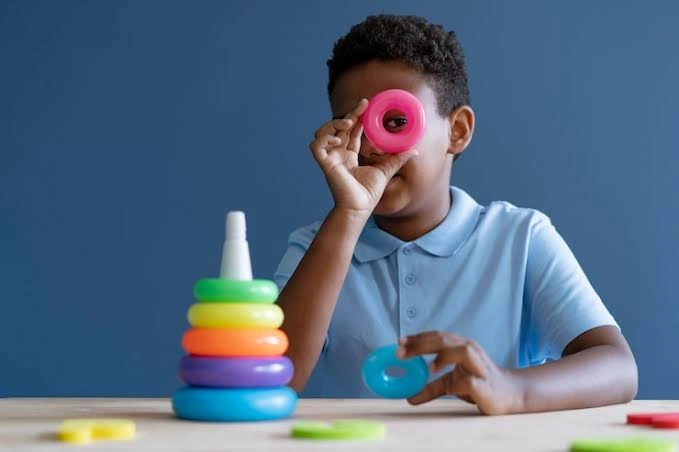
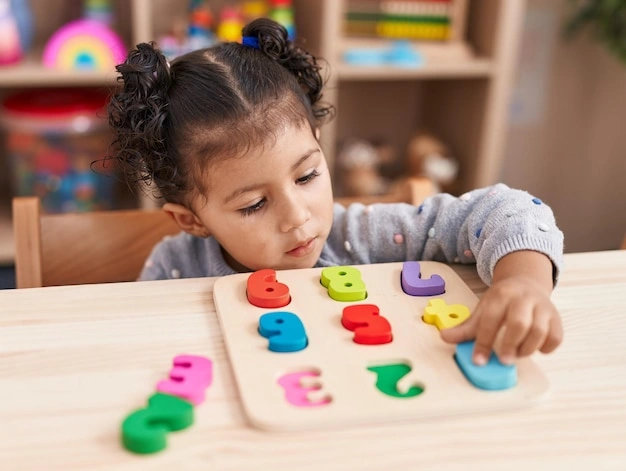
Children with learning incapacities frequently react well to visual and hands-on strategies. Pictures, charts, and colored markers make lessons less demanding to get it. For illustration, utilize squares to educate math or flashcards for spelling words.
Hands-on exercises like drawing, cutting, or building models can too offer assistance children learn quicker. These exercises make learning more fun and offer assistance the brain keep in mind data superior. You can blend learning with play, so the child appreciates the prepare. This strategy works at domestic or in the classroom and bolsters long-term learning.
Key focuses to remember:
- Use visuals like pictures and charts
- Include hands-on exercises for learning
Break Tasks into Small Steps
Big errands can be overpowering for children with learning incapacities. Breaking assignments into little, simple steps makes it sensible. For occasion, instep of inquiring the child to compose a long story, inquire them to compose one sentence at a time. At that point, steadily include more sentences.
Check advance after each step. Commend them for completing each little portion. This not as it were builds certainty but too keeps the child propelled. Little steps offer assistance children center on one thing at a time, which decreases push and progresses understanding. Over time, they learn to handle greater assignments with confidence.
Key focuses to remember:
- Divide assignments into little steps
- Praise advance at each step
Encourage Reading and Language Skills
Reading and dialect can be difficult for children with learning incapacities. Begin with straightforward books that have pictures. Perused together and inquire questions almost the story. Empower the child to studied out loud, but never weight them if it feels hard.
Use regular minutes for learning. For case, inquire the child to examined signs, names, or menus. Play word recreations or rhyming recreations to make learning fun. These basic strategies progress perusing, lexicon, and comprehension without making the child feel stressed.
Key focuses to remember:
- Start with basic books and examined together
- Use day by day exercises to hone dialect skills
You May Also Like: Learn About Protecting Your Child From Lead Channing
Be Patient and Consistent

Patience is key when making a difference a child with learning troubles. Advance may be moderate, but little advancements matter. Dodge getting baffled if the child rehashes botches or struggles.
Set a schedule for learning and hone. Consistency makes a difference children know what to anticipate and builds great propensities. Keep track of advance and celebrate accomplishments, no matter how little. Tolerance and consistency offer assistance children feel secure, bolstered, and prepared to learn more each day.
Key focuses to remember:
- Stay understanding with moderate progress
- Keep a reliable learning routine
FAQs
1. How can I tell if my child has a learning disability?
Children may battle with perusing, composing, math, or taking after informational. They may take longer to total errands, disregard things regularly, or get baffled effectively. If you take note these signs, conversation with a instructor or master for evaluation.
2. Can children with learning disabilities succeed in school?
Yes! With back, tolerance, and appropriate methodologies, children with learning inabilities can do well in school. Little steps, visual helps, and hands-on learning make a enormous distinction in building abilities and confidence.
3. What is the best way to help at home?
Create a calm space for learning, break errands into little steps, and utilize visual or hands-on strategies. Celebrate little wins and remain quiet. Steady hone each day can offer assistance the child develop and improve.
Conclusion
Helping a child with learning incapacities requires understanding, persistence, and bolster. By making a positive environment, utilizing visual and hands-on strategies, and breaking errands into little steps, children can learn superior and feel glad. Each child learns at their claim pace, and little wins lead to enormous victory over time.
With basic, steady bolster at domestic and in school, children with learning challenges can construct certainty, appreciate learning, and reach their full potential. Keep in mind, tolerance, support, and adore are the keys to making a difference a child develop and succeed.