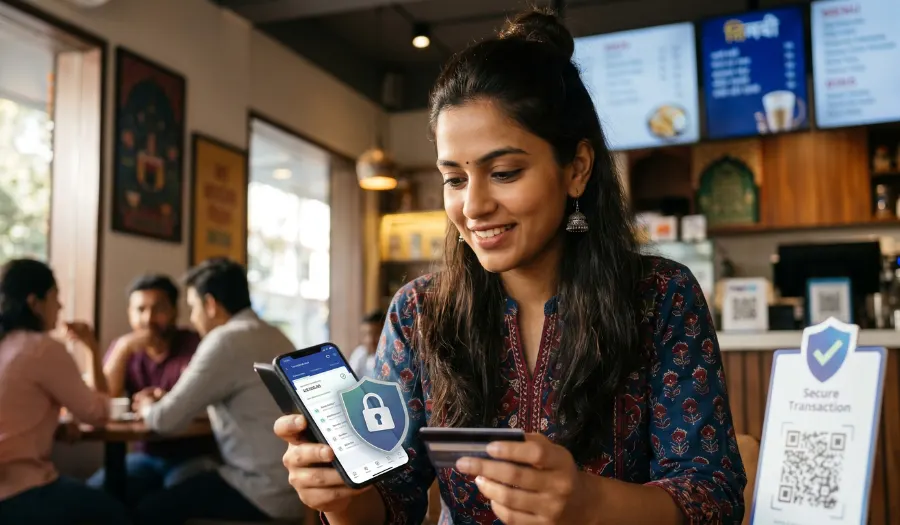
Have you ever thought about whether your cash is safe in the event that you purchase the chai you want or even a film ticket on your smartphone? I use my digital wallet every single day. From paying for my milkman's bill or booking a flight it's just simple! However, with this fast pace there is a major question that pops up: How do we ensure that the security of our personal information? By 2026 India is now a global leader in the field of digital payment. As more and more people utilize these services and hackers become better. I've spent a long time researching into the ways these apps operate. Now, I'm going to give you all the information I've learned about how to keep your money secure in the digital age.
What is data security in Indian digital wallets?
When we speak of security of data in Indian Digital Wallets, it's the electronic locks that guard the personal information of your customers. The security doesn't only concern your cash. This includes your phone number, name your bank account information, as well as even the place you use the money you earn.
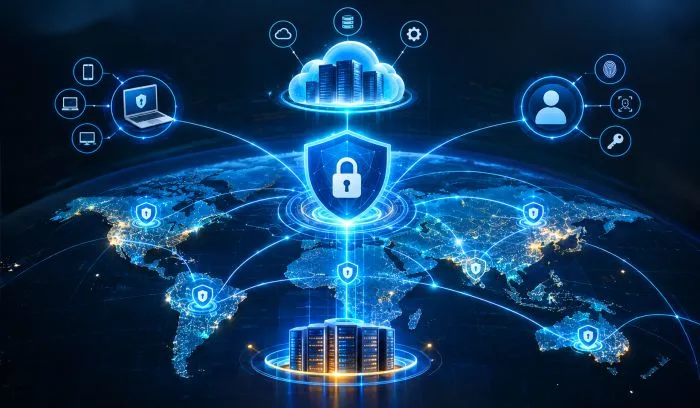
Consider your digital wallet as an advanced locker. Inside the locker the data you have entered is converted into an encrypted code. It is known as encrypted. In the event that a thief attempts to enter the locker it, they can only get scrambled letters which don't make sense. In India the apps such as Google Pay as well as PhonePe make use of top-of-the-line systems to ensure that lockers are secured.
Why is data security important in digital wallets?
Perhaps you think "I only have 500 rupees in my wallet, why does it matter?" However, the the importance of security for data in the world of fintech extends beyond the account balance. If hackers gain access to your personal data, they could take your identity. It is possible for them to create bank accounts under your name and obtain loans.
I tell my acquaintances they are the latest gold. In the world of digital India payment security world security, keeping your data safe from:
- Security risks for fintech applications such as identity theft.
- The connected bank account.
- Calls from spam and phishing that are targeted at your telephone number.
Read also: Cybersecurity High School: Textbook, Free Summer Programs 2026
Top 10 Data Security In Indian Digital Wallets
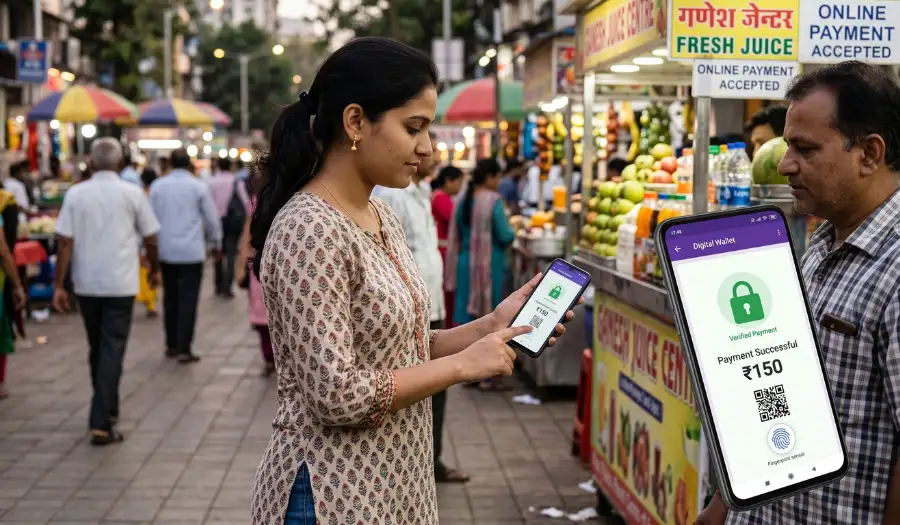
If you're looking to find out the security of the digital wallets available that are available in India You need take a look at the options they employ. The majority of the top applications today function similar to digital fortresses. The best security layer I have faith in:
- Two-Factor authentication (2FA): You require two items to make payments: your phone, and your private PIN.
- Biometric Locks Use your fingerprints or facial scan to unlock the application.
- Tokenization This conceals your true card number by using the term "token" instead.
- AI Fraud Detection Intelligent robots monitor your accounts for unusual expenses.
- Device Binding This app is only compatible with your phone's specific model.
- End-to-End encryption: Your data is encrypted as soon as you upload the data.
- Auto-Logout It closes it self if you do not use for more than a couple of minutes.
- Echtzeit Alerts The SMS will be sent when the money changes.
- UPI PIN Protection Separate lock to protect the last payment stage.
- Virtual Keyboards Blocks hackers from "reading" what you type.
How can we protect our digital wallets from theft
Even with the best apps it is important to follow secure digital wallet methods. Many people have lost funds because they were not confident. This is my "expert checklist" for you:
- Don't give your OTP to anyone: A bank or an application worker would ever request to see it.
- Beware of public Wi-Fi. Don't ever make a transaction at a railway station, or cafe's Wi-Fi. It's a playground of hackers.
- Update Your Application: The "update" buttons fix security vulnerabilities. Do not ignore the buttons!
- Utilize a PIN that is strong: Don't use "1234" or the year of your birth. Select a difficult number to determine.
Knowing the Risks: The Types of digital wallet fraud
To be safe To be safe, it is important to understand how to spot what "bad guys" are doing. The kinds of scams that target digital wallets vary daily. Recently, I've seen an increase in "Digital Arrest" scams where fake police appear via video to entice the victim into sending cash.
The other risks that are common comprise:
- Link to Phishing: Fake SMS saying you have won an award.
- Screensharing Scams Hackers will ask you to download applications like AnyDesk in order to "help" you, but they will only show your screen.
- QR Code Frauds A person asks you to "scan to receive money." Don't forget, you don't require scanning or entering an PIN to get cash!
Google Pay compares to PhonePe security options
Many times I am asked about which is superior. In a UPI vs. wallet security comparison each is excellent.
Google Pay is extremely useful since it makes use of Google's vast security network. It manages "failure recovery" very calmly. PhonePe is awe-inspiring at handling large crowds. When it comes to Diwali or major sales PhonePe is extremely steady and can detect fraud swiftly by using fraud detection tools that are used in payment.
The Essentials of Digital Safety for Financial Payments
In order to keep your secure digital India payment up to date, consider your phone as your actual wallet. The purse open in a bench on the street you think?
The most important aspects of digital security to protect financial transactions includes checking your transaction record each week. If you find any rupees missing from your account that you did not spend make sure you report it! Call 1930 the India's Cyber Crime Helpline. This is an absolute lifesaver!
Data privacy laws India fintech
The good news is that India is now governed by new laws known as the law on privacy of data in India Fintech (DPDP Act). The law stipulates that applications require your consent prior to using your personal data. If they steal your information during a breach and they need to inform your government as well as you. The companies have to work longer to ensure that we are safe.
Expert Insights: What the Pros Say
"In 2026, AI is our biggest shield. We use machine learning to stop a fraud before the user even realizes there was a threat." -- Cybersecurity Analyst
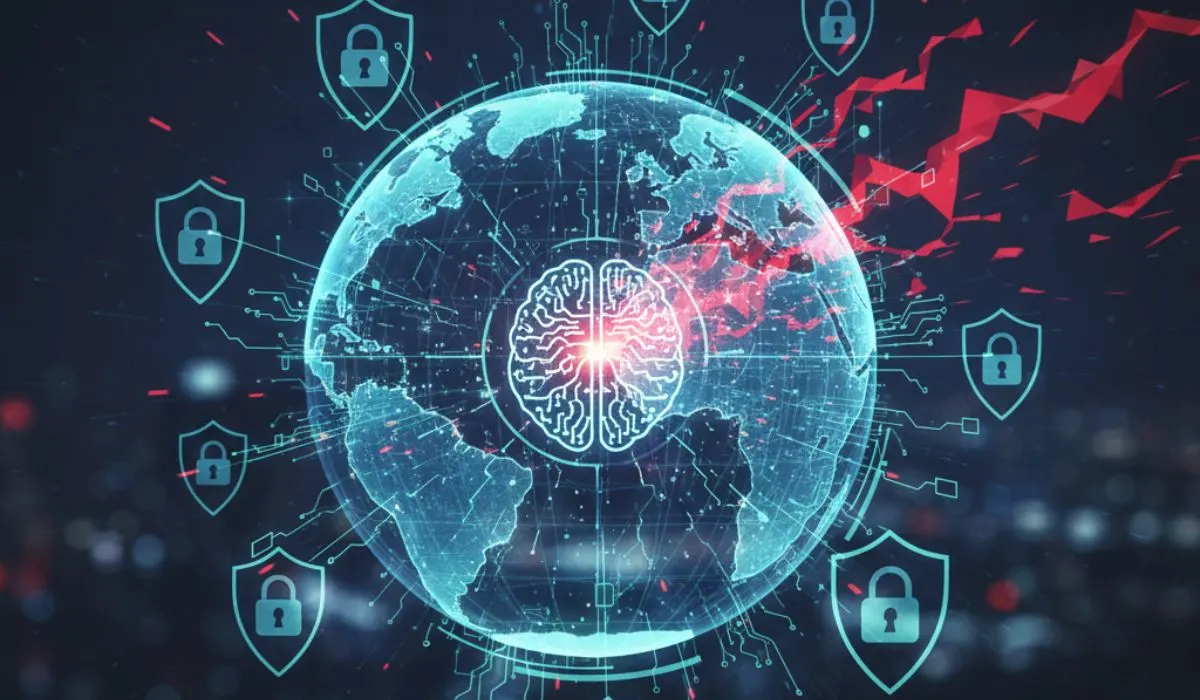
I am in agreement with this. This shift to the use of fraud detection in the field of payments made with AI has helped save millions of rupees in the last year. It's like having a 24-hour security guard for your mobile.
FAQs on Digital Wallet Security
1. Is it safe to link my bank account to a digital wallet?
Yes! Applications make use of tokenization which means that merchants don't have access to your personal bank information. It's usually more secure when you swipe a card.
2. What should I do if I lose my phone?
Contact your bank immediately to stop the UPI as well as use "Find My Device" to delete your phone's information remote.
3. Does Google Pay share my data with others?
In the new new laws on privacy and data protection in india technology fintech companies are allowed to make use of your information for purposes you have agreed to. They are not able to sell your private information about your payment or chat to third-party companies without your approval.
Final Thoughts: Stay Smart, Stay Safe
Learning to master security of data in Indian Digital Wallets doesn't need a master's degree in engineering. Just a more attention. Utilizing biometrics and keeping your PIN private, and avoiding of shady websites You can experience the benefits of digital payment with no trepidation. I am awestruck by the ease of cash-free India. Make sure that we maintain the country an careful India too!