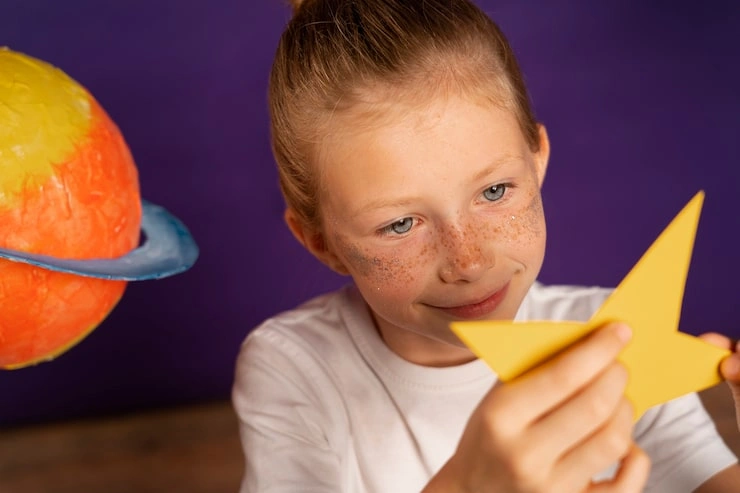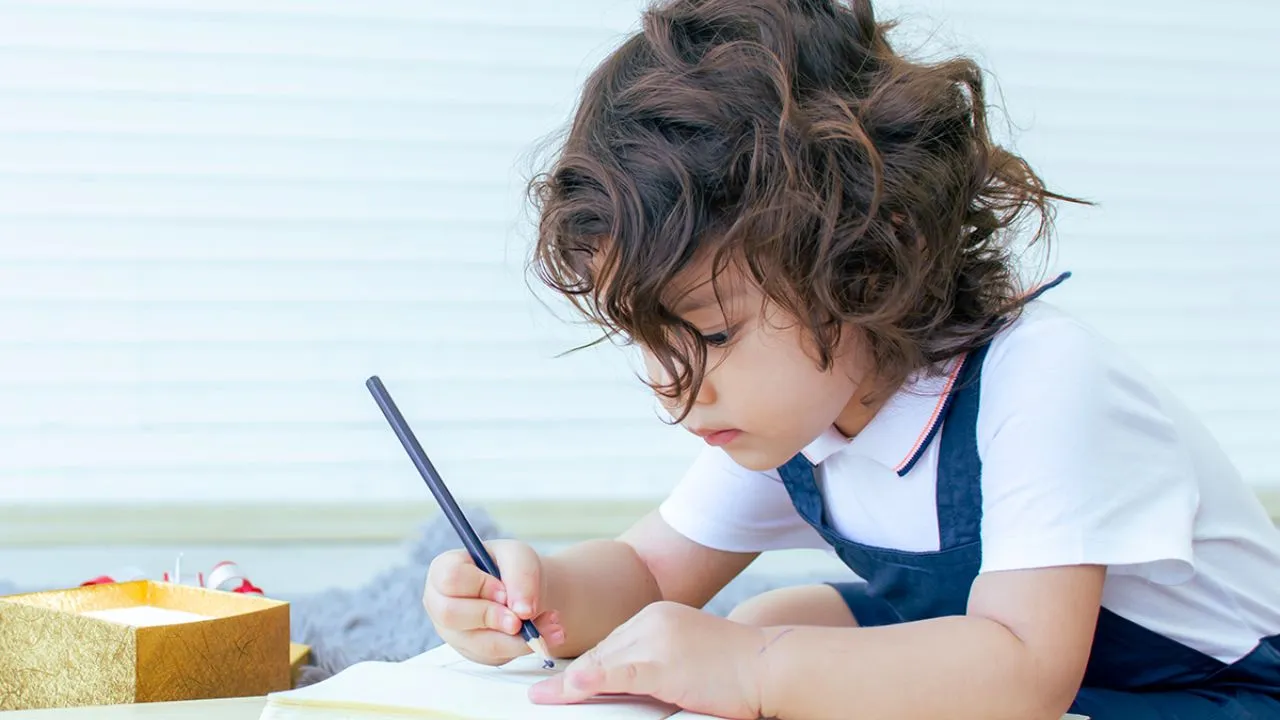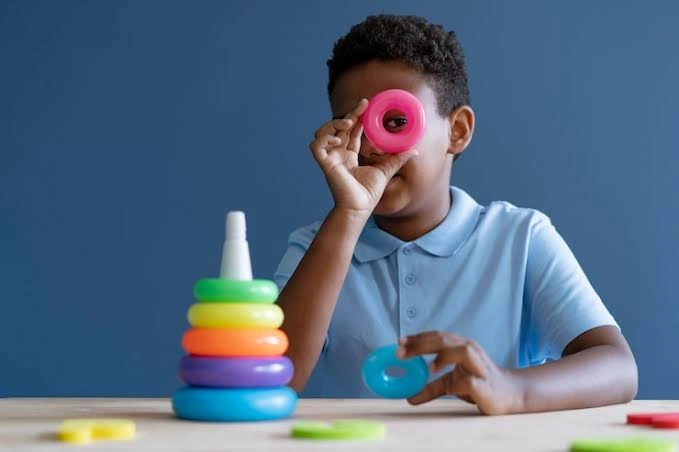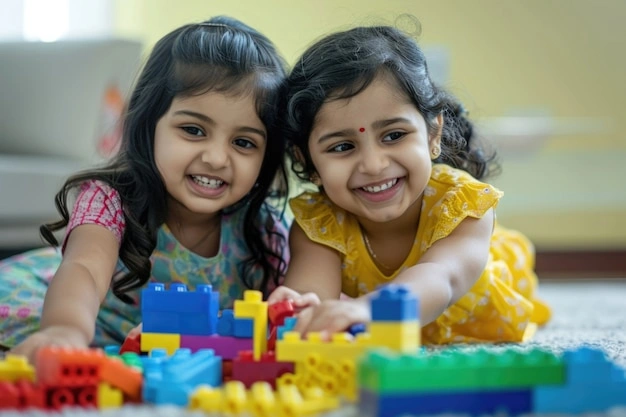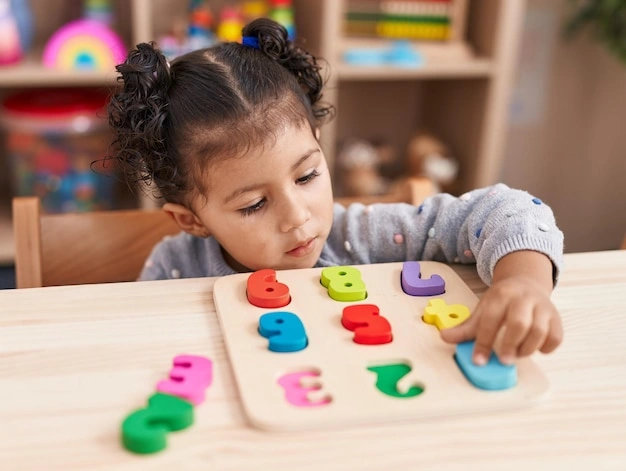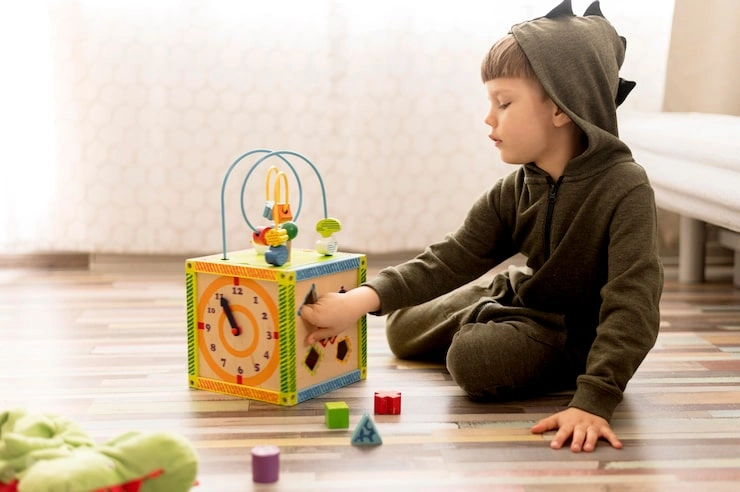
When your child turns two years old, many things change. Your child starts talking more. Your child starts asking questions. Your child wants to touch everything. Your child wants to open every box. Your child wants to throw things and see what happens. This is not bad behavior. This is brain development. At two years old, a child's brain is making new connections every second. This is the best time to give the right toys. The right toy does not mean expensive toy. The right toy means a toy that toys for 2 year old for brain development.
I have seen many parents buy the wrong toys. They buy toys that make loud noise. They buy toys that flash many lights. These toys keep the child busy but do not help the brain. In this article, I will tell you exactly which toys help a two year old brain grow. I will also tell you which toys to avoid.
Let us start.
Why Two Years Old Is a Special Age for Brain?
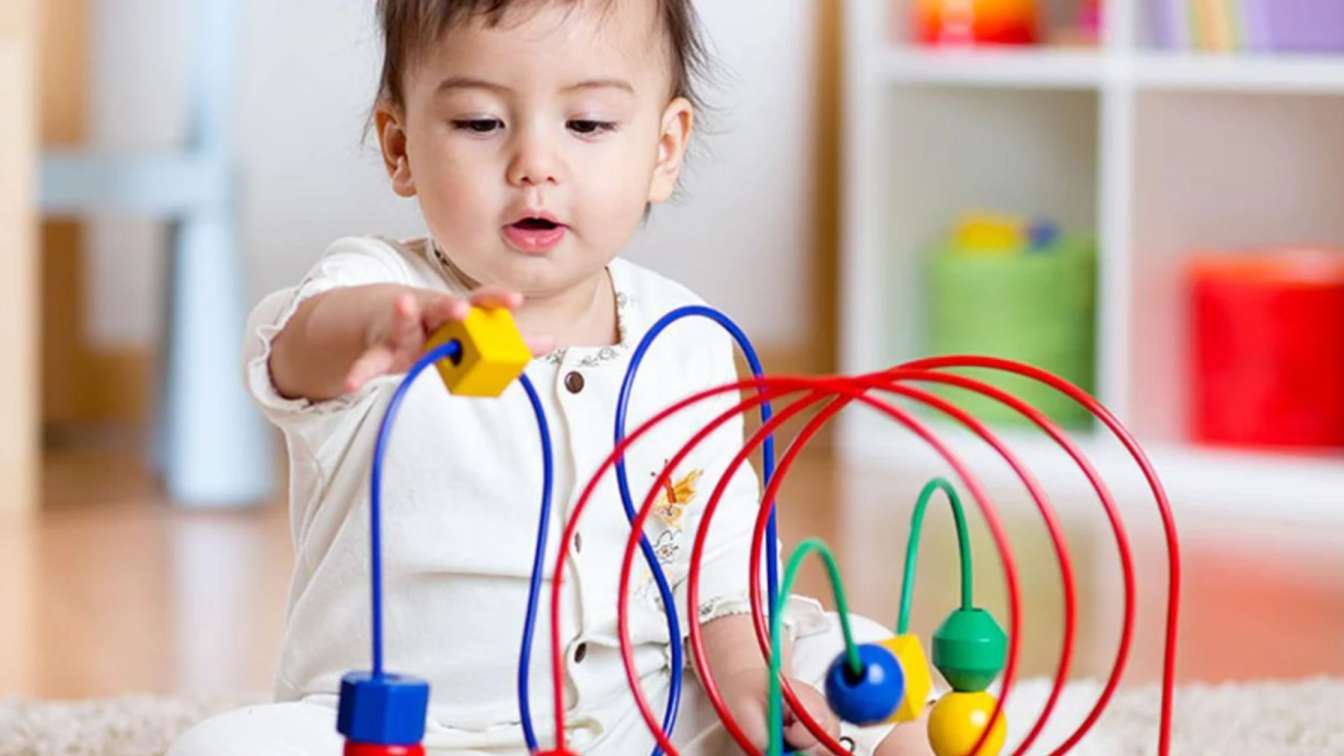
Many people think a two year old is just a baby who can walk. This is wrong thinking.
At two years old, your child's brain is twice as active as your brain. Your child learns new words every day. Your child learns how to solve small problems. Your child learns that a round block does not go into a square hole. Your child learns that when you drop a ball, it falls down, not up. This age is called the golden period of learning. After age five, this golden period closes slowly. So the toys you give at age two matter a lot. A good toy for brain development does three things. First, it makes the child think. Second, it makes the child use hands and eyes together. Third, it makes the child try again after failing. If a toy does not do these three things, that toy is just a decoration. Do not buy decorations. Buy tools for brain growth.
Read Also: Parenting Tips For Child Development 0 To 5 Years
Type 1 – Shape Sorting Toys
Shape sorting is a very old idea. But it works very well for two year old brain.
In a shape sorting toy, your child gets different shapes. A circle. A square. A triangle. A star. There is a box with holes of same shapes. Your child has to put each shape into its correct hole. This looks simple to you. But for a two year old brain, this is a big challenge. First, the child has to look at the shape. Second, the child has to find the matching hole. Third, the child has to turn the shape in the right direction. Fourth, the child has to push it inside. This uses many parts of the brain at the same time. When your child fails the first time, do not help right away. Let your child try again. When your child finally puts the shape in the correct hole, the brain releases a happy chemical. This happy chemical makes the child want to do it again. This is how learning happens.
Which shape sorting toy to buy: Buy a wooden one. Wooden toys last longer. Plastic ones break easily. Also make sure the shapes are big. Small shapes are danger because child can put them in mouth.
How to play: First show your child one shape. Say "this is circle." Then say "circle goes in circle hole." Then let your child try. Do this for five minutes every day. Do not do longer because two year old gets tired quickly.
Type 2 – Stacking Blocks
Stacking blocks is another old but good toy. You give your child blocks of different sizes. Your child has to put big block at bottom and small block on top. This toy helps brain in a different way. It helps the child understand size and order.
When a two year old tries to put a small block under a big block, the tower falls. The child sees the tower fall. The child thinks "this did not work." Then the child tries the other way. This is called trial and error. Trial and error is the main way a two year old brain learns. Stacking blocks also helps hand muscles. Strong hand muscles help later when the child learns to write.
Which stacking blocks to buy: Buy blocks that are light. Heavy blocks hurt if they fall on child's foot. Also buy blocks with different colors. Colors help the child remember which block is big and which is small.
How to play: Ask your child to make a tall tower. Then ask your child to count the blocks while stacking. One, two, three. This teaches numbers without pressure. When the tower falls, laugh with your child. Show your child that falling is okay. This builds a strong mind that is not afraid of mistakes.
Type 3 – Simple Puzzles
Puzzles are very good for two year old brain. But not the hard puzzles. Hard puzzles have twenty pieces. That is for four year old. For two year old, buy puzzles with two to four big pieces. A good first puzzle is a face puzzle. One piece has eyes. One piece has nose. One piece has mouth. Your child has to put all pieces together to make a full face. This helps the child understand that parts make a whole. This is a big brain leap. When a child understands that many small parts can become one big thing, the child starts thinking in a new way. Puzzles also help memory. Your child remembers where each piece goes. This memory practice helps in school later.
Which puzzle to buy: Buy puzzles with a small knob on each piece. The knob helps the child pick up the piece easily. Without knob, small fingers cannot lift the piece. The child gets angry and leaves the puzzle.
How to play: Start with the puzzle already half done. Leave only one piece missing. Ask your child to put that one piece. When your child succeeds, add a second missing piece. Slowly make the puzzle harder. This way your child does not feel defeated.
Type 4 – Pretend Play Toys
Many Indian parents think pretend play is waste of time. This is wrong.
When a two year old pretends to cook food, the brain is not playing. The brain is learning. Pretend play helps the child understand how the world works. Your child has seen you cook in the kitchen. Now your child wants to copy you. Copying is how two year olds learn everything. When your child gives you a pretend cup of tea, your child is learning social skill. Your child is learning to give and take. Your child is learning that other people have feelings. This is very important for brain development.
Which pretend play toys to buy: Buy a small kitchen set. Or buy a doctor set. Or buy simple dolls. Do not buy pretend play toys with many small parts. Small parts get lost. Small parts also cause choking.
How to play: Sit on floor with your child. Take the pretend food. Say "I am hungry, please give me food." Let your child serve you. Then you serve your child. Talk about the food. Say "this roti is very hot." Say "this dal is very tasty." This talking grows your child's language brain.
Type 5 – Push and Pull Toys
At two years old, the body and brain are connected. When the body moves, the brain grows. This is a fact.
Push and pull toys are not just for walking. They are for brain coordination.
When your child pushes a toy cart, the brain has to do many things at once. The brain has to balance the body. The brain has to watch where the cart is going. The brain has to avoid hitting the wall. The brain has to keep moving the legs. This is a big workout for the brain. Pull toys are even harder. When your child pulls a toy on a string, the child has to look back and walk forward at the same time. Many two year olds cannot do this at first. But with practice, the brain learns. This learning builds new brain paths.
Which push and pull toy to buy: Buy a wooden cart that can carry other toys inside. This gives two uses. The child pushes the cart. Then the child puts blocks inside and pulls the cart. One toy, many brain activities.
How to play: Make a small path in your house. Use pillows to make the path. Ask your child to push the cart from one end to other without touching pillows. This is a game but the brain is working hard.
Type 6 – Simple Musical Toys
Music is not just for fun. Music helps the brain in a special way.
When a two year old shakes a rattle or hits a small drum, the brain learns pattern. Music has pattern. Fast, slow, loud, soft. Understanding pattern helps the child understand language later. Language also has pattern. Musical toys also help the child listen carefully. Listening is a skill. Many children do not learn to listen because parents give toys that talk too much. When a toy talks, the child stops listening. But when a child makes music, the child has to listen to the sound coming out.
Which musical toy to buy: Buy a small xylophone. Buy a pair of safe cymbals. Buy a shaker. Do not buy battery operated music toys. Battery toys do one song again and again. The child learns nothing from that.
How to play: Make a simple beat. Tap tap tap. Ask your child to copy you. Then let your child make a beat. You copy your child. This back and forth copying is a brain game that builds focus.
You May Also Like: Baby Cognitive Development Activities At Home
Type 7 – Threading Beads
Threading beads is a quiet toy. But it does big work for the brain.
In this toy, you give your child a string and big beads with holes. Your child has to put the string through the bead hole. Then pull the string. Then put another bead. This is very hard for a two year old. The hand and eye have to work together very closely. The child has to hold the string steady. The child has to aim the string into a small hole. The child has to not lose the bead while threading. When your child fails many times but finally succeeds, the brain makes a new connection. This connection helps later in writing buttoning shirt and tying shoe laces.
Which threading beads to buy: Buy beads that are very big. Bigger than your child's mouth. Small beads are danger. Also buy a string with a hard tip at one end. The hard tip makes it easy to go inside the bead hole.
How to play: First you do one bead. Then hold your child's hand and help do one bead. Then let your child try alone. Do not correct every mistake. If your child puts the string in the wrong direction, let it be. The child will figure it out.
Toys You Should Avoid for Two Year Old Brain
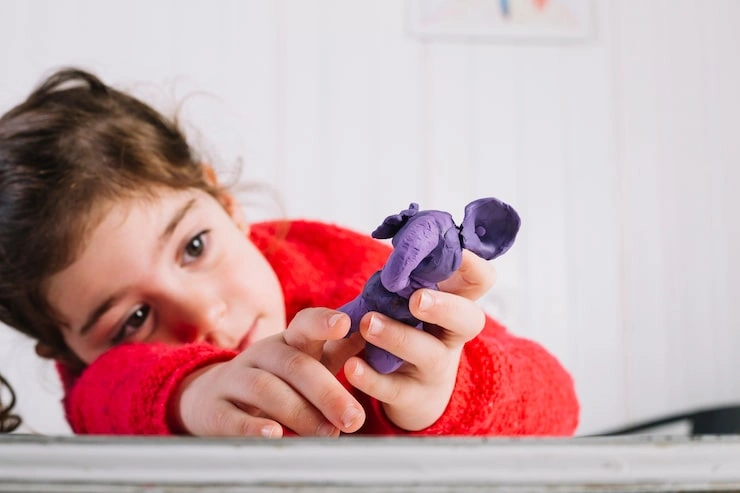
Not every toy is good. Some toys look good but hurt brain development.
First avoid toys that do the work for the child. A toy that lights up and says "circle" when the child touches it is a bad toy. The child does not have to think. The toy thinks. The child just watches. Watching does not grow brain. Doing grows brain.
Second avoid toys with many small pieces. Small pieces are choking danger. Also two year old cannot keep track of twenty pieces. The child loses interest quickly.
Third avoid tablet games. Many parents give tablet to keep child quiet. This is very bad for two year old brain. Screen does not give real feedback. When a child drops a real block, the block makes a sound and does not disappear. When a child drops a screen block, it just disappears. The brain does not learn cause and effect from screens.
Fourth avoid toys that are very loud. Loud noise damages child's ears. Also loud toys make the child nervous. A nervous child cannot learn.
How Many Toys Does a Two Year Old Need?
This is a common question. Parents think more toys means more brain growth. This is not true.
A two year old does not need fifty toys. A two year old needs six to eight good toys. Keep these toys in a box. Take out only two toys at a time. After one week, change the toys. Put away the old two and bring out two different toys for 2 year old for brain development.
This is called toy rotation. Toy rotation keeps the child interested. When the same toy stays out for one month, the child stops looking at it. But when you bring back an old toy after two weeks, the child thinks it is a new toy.
Do not keep all toys on the floor at once. Too many choices confuse the two year old brain. The child touches one toy then another then another and learns nothing deeply.
How to Play With Your Child for Best Brain Results?
- The best toy in the world does nothing if you do not play with your child.
- When you play with your child, do not give instructions. Do not say "no put it here no not like that." This makes the child stop trying.
- Instead sit on floor at your child's eye level. Watch what your child is doing. If your child puts a square block in a circle hole and pushes hard, do not stop. Let your child try. After some time say "that square is not going in. Do you want to try the square hole?"
- This way you are helping but not taking over. The child still feels in control. Feeling in control makes the child want to keep playing.
- Also talk while playing. Say what you see. Say "you put the red block on top." Say "the tower is getting tall." This talking builds language without teaching. The child hears words and connects them to actions.
- Play for short time. Ten minutes of good play is better than one hour of boring play. When you see your child looking away, stop playing. Do not force. Forcing kills interest.
Final Words
Your two year old child is growing fast. Every day the brain makes new paths. The toys you choose today will help your child think better tomorrow. You do not need to spend a lot of money. A simple shape sorting toy works better than an expensive light up plastic box. A wooden stack of blocks works better than a tablet game. Remember these main points. Buy toys that make the child think. Buy toys that need hands and eyes together. Buy toys that let the child try again after failing. Avoid toys that do the thinking for the child. Most important of all, sit with your child. Your time is more valuable than any toy. When you play together, your child's brain grows faster. Your child feels safe. Your child feels loved. A safe and loved child learns better than any other child.