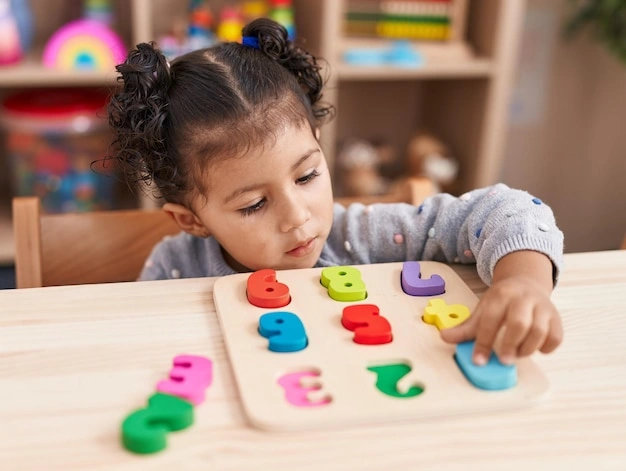
You know that feeling when you see your child do something new? Maybe they said a big word. Or they figured out how to stack blocks without them falling. That feeling is special. It tells you something is happening inside their brain development activities for preschoolers.
Their brain is growing. Fast.
I remember when my nephew was four. He would ask questions all day. Why is the sky blue? Where does water go when it rains? Why do we sleep? It was exhausting sometimes. But I learned something. Each question was his brain working. Each question was a sign of growth.
The preschool years are magic years. Between three and six, a child's brain is like wet clay. You can shape it. Every touch, every word, every game leaves a mark. Scientists say ninety percent of brain growth happens before kindergarten. Think about that. Before your child even starts formal school, most of their brain is already built.
This is not about making a genius. This is about giving your child the best start. Simple things matter more than expensive toys. Your time matters more than anything else.
Why Your Child's Brain is Like a Garden?

Imagine a garden. When you plant seeds, you water them. You give them sunlight. You pull out the weeds. A child's brain is exactly like that garden. The seeds are their potential. You are the gardener.
Every time you talk to your child, you are watering those seeds. Every time you read a story, you are giving sunlight. Every time you play together, you are helping those seeds grow strong.
But here is the thing. You don't need to be a scientist. You don't need to read big research papers. You just need to be there. Be present. That is the most powerful thing you can do.
In Indian families, we have something special. We have grandparents. We have aunts and uncles. We have big families. This is a gift. When grandmother tells stories from her childhood, your child's brain is learning. When grandfather teaches them a simple game, their brain is growing. Use your family. It is your biggest resource.
Read Also: Pre Writing Activities For 3 Year Olds
Play is Not Just Fun. It is Learning.
Some parents think play is just wasting time. They think learning only happens with books and worksheets. This is wrong. Very wrong.
Play is how children learn. It is not a break from learning. It is learning itself.
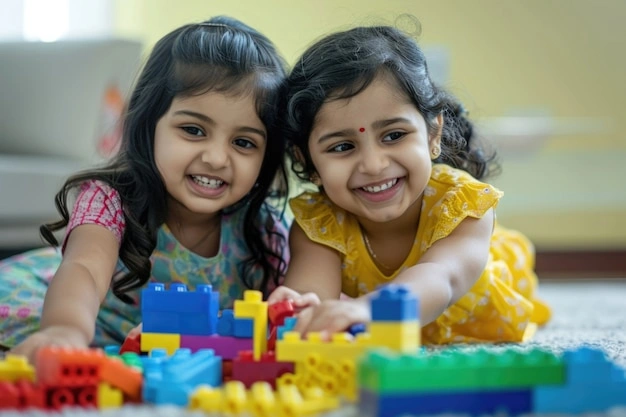
When your child builds a tower with blocks, they are learning about balance. When they make a mess with water, they are learning about cause and effect. When they pretend to be a doctor, they are learning social skills. They are practicing how to talk to people. They are learning empathy.
I once saw a mother scold her child for playing with sand. She said it was dirty. She said it was a waste of time. But that child was learning more in that sandpit than any worksheet could teach. He was learning about texture. He was learning about pouring and measuring. He was learning to share with other children.
Do not stop your child from playing. Encourage it. Join them. Get on the floor and play with them. You will both enjoy it. And your child's brain will thank you.
Simple Things You Can Do Every Day
You do not need to buy special things. You do not need to go to classes. You have everything you need at home. Let me tell you what works.
Talk to Your Child Like They are a Person
This sounds so simple. But many parents forget. We tell children what to do. We give instructions. But we forget to have real conversations.
When you cook dinner, talk to your child about it. Tell them what you are doing. Describe the vegetables. Talk about the colors and smells. This builds vocabulary. This builds connection.
When you go for a walk, talk about what you see. Look at the trees. Look at the birds. Ask your child questions. What color is that car? How many dogs do you see? These small questions make their brain work. They have to observe. They have to count. They have to think.
But do not ask questions that have yes or no answers. Ask questions that make them think. Instead of "Did you like the park?" ask "What was the best part of the park?" This makes them recall. This makes them express themselves. This builds language skills.
Read Stories Every Single Day
Reading is a gift. It opens worlds. It builds imagination. It makes children curious.
Do you remember when you were a child and someone read to you? I remember my mother reading to me. I would sit on her lap. I would look at the pictures. I would ask a million questions. Those are my best memories.
Make reading part of your daily routine. It does not have to be long. Ten minutes is enough. But do it every day. Even if your child wants the same story again and again. That repetition is good. It strengthens pathways in their brain.
Point to the words as you read. This shows them that those black marks on the page have meaning. Ask them to tell you the story from the pictures. This builds comprehension. Let them turn the pages. This builds fine motor skills.
In India, we have so many wonderful stories. Panchatantra. Jataka tales. Folk stories from different states. Use these. They teach values too. They teach culture. They teach language. It is a complete package.
Sing Songs Together
Songs are powerful. They have rhythm. They have rhyme. This helps the brain remember things.
When you sing a song, the brain lights up. Both sides of the brain work together. The left side handles the words. The right side handles the music. This is brain exercise.
You do not need to be a good singer. Your child does not care. They just want to be with you. They just want to have fun.
Sing nursery rhymes. Sing Hindi songs. Sing regional songs. Clap along. Make up silly songs about washing hands or eating food. This makes everyday tasks fun. And it is teaching your child without them even knowing.
Let Them Draw and Color
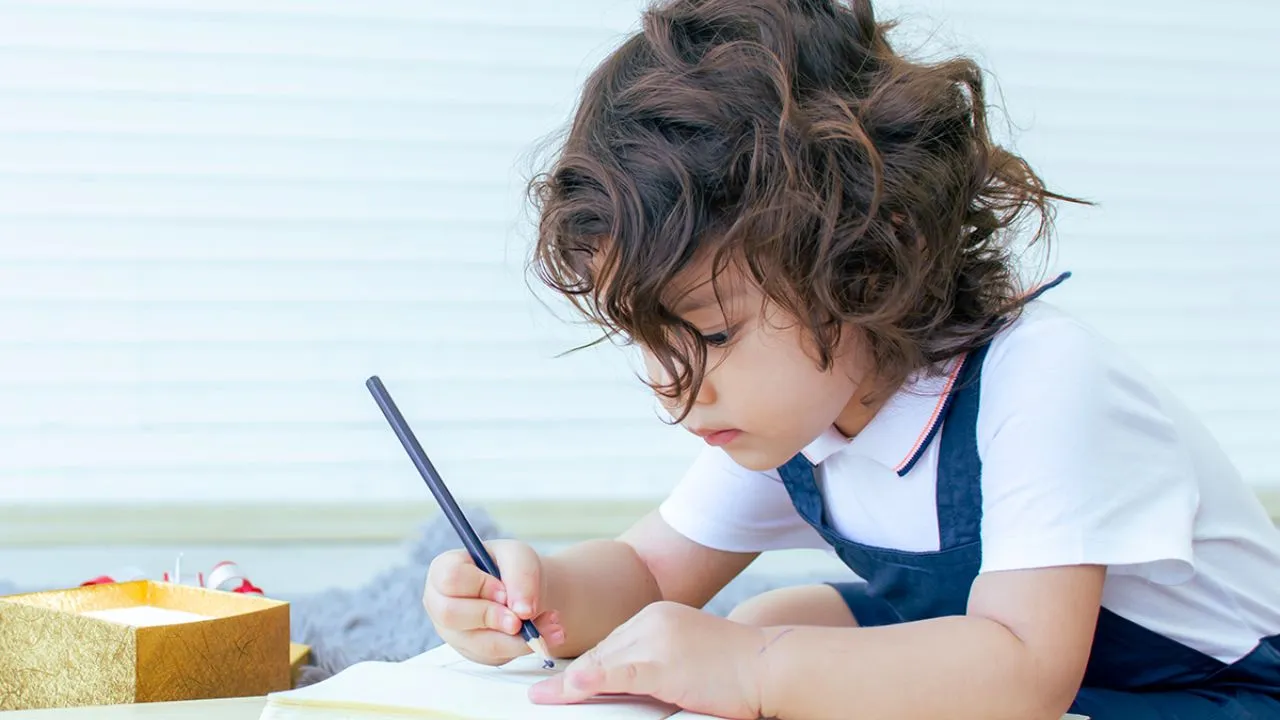
Give your child paper and crayons. Let them make a mess. Let them draw whatever they want. Do not correct them. Do not tell them how to draw a house or a tree. Let them explore.
Drawing builds fine motor skills. It strengthens the small muscles in the hands. These are the same muscles they will use to write later. It also builds creativity. It builds expression. Your child is telling you something through their drawings.
If they draw a pink sun, let it be pink. Do not say the sun is yellow. This kills their creativity. This kills their confidence. Let them experiment. Let them make mistakes. Mistakes are part of learning.
Play Outside
Children need to move. Their bodies need to run and jump and climb. This is not just for physical health. It is for brain health.
When children play outside, their brain gets more oxygen. Blood flows to the brain. This helps it grow. This helps it work better.
Take your child to a park. Let them play on the swings. Let them climb the jungle gym. Let them run around. Join them. Play catch. Play hide and seek. These games teach so many things. They teach coordination. They teach social skills. They teach following brain development activities for preschoolers.
Use Everyday Objects for Learning
- You do not need to buy educational toys. Look around your house. You have everything you need.
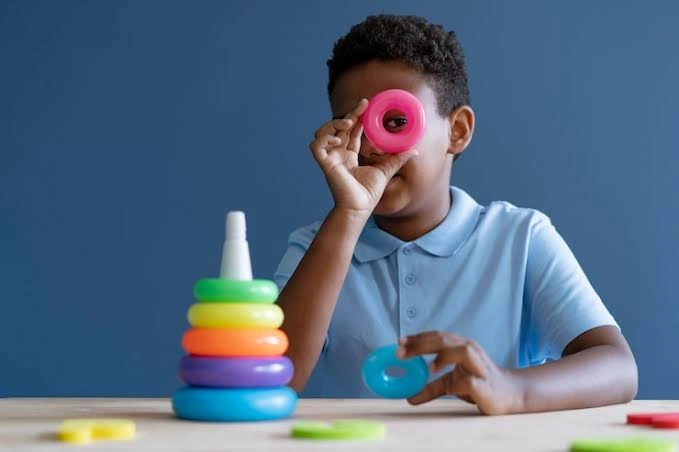
- Have some buttons? Ask your child to sort them by color. Then by size. Then by shape. This is math. This is logic. This is sorting. These are all brain skills.
- Have some spoons? Ask your child to count them. Then arrange them from biggest to smallest. This teaches order. This teaches comparison.
- Have some old newspapers? Give them to your child. Let them cut pictures. Let them paste them in a book. This builds fine motor skills. This builds creativity. This is a free activity.
You May Also Like: Toys For 2 Year Old For Brain Development
How to Handle Challenges?
You will face problems. Your child will not always cooperate. They will have bad days. This is normal.
What to Do When Your Child is Not Interested
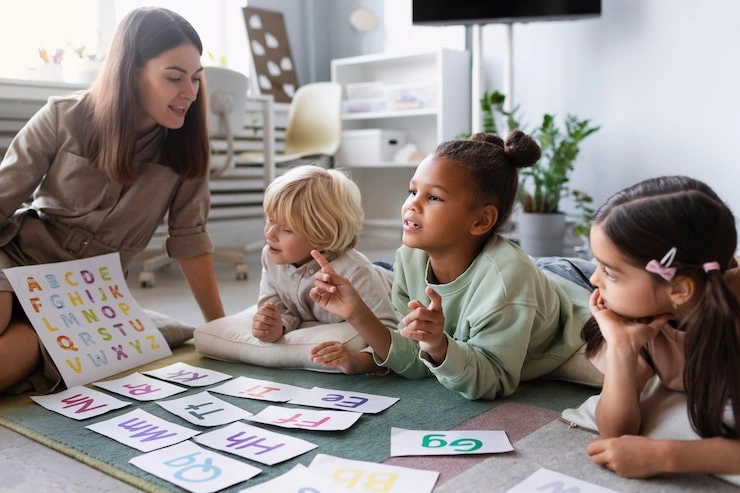
- Do not force it. If your child does not want to do an activity, stop. Forcing them will make them hate it. Learning should be joyful. It should not be a punishment.
- Try again another day. Maybe your child is tired. Maybe they are hungry. Maybe they just want to be alone. Respect that. Come back to it later.
- Or try a different activity. Your child might not want to color today. But they might want to build with blocks. Go with what they want. Follow their lead. This is more effective.
What to Do When You Are Tired?
Parenting is exhausting. You work. You manage the house. You take care of everyone. Sometimes you are just tired. That is okay.
You do not need to do big activities every day. Sometimes just talking to your child is enough. Sometimes just reading one story is enough. Small moments add up. They matter more than you think.
On your tired days, just sit with your child. Watch them play. Ask them questions about what they are doing. You do not need to be active. You just need to be present. Your presence is what matters.
What to Do About Screen Time?
Screens are everywhere. Phones. Tablets. Television. It is hard to avoid them. But too much screen time is not good for young brains.
Screens give fast stimulation. Things move quickly. This does not train the brain to focus. It trains the brain to expect constant excitement. Real life is not like that. Real life is slower. Children need to learn to deal with slow.
Limit screen time. One hour a day is enough. More than that is too much. Replace screen time with play time. Replace it with reading time. Replace it with conversation time. Your child will benefit.
The Role of the Family
In India, family is everything. We live with grandparents. We live with uncles and aunts. Children grow up surrounded by people. This is wonderful for brain development.
Grandparents are not just babysitters. They are teachers. They are storytellers. They are carriers of culture. Encourage your parents to spend time with your child. Ask them to tell stories from their life. Ask them to teach traditional games. Ask them to teach your child their language.
When children hear stories from the past, they learn history. They learn values. They learn that they are part of something bigger. This builds identity. This builds confidence. This is all brain development.
Uncles and aunts can also play important roles. They can teach new skills. They can play games. They can be role models. The more loving adults in a child's life, the better. It gives them security. It gives them love. This helps the brain grow in a healthy way.
A Few Things to Avoid
There are some mistakes parents make. I want to point them out so you can avoid them.
Do not compare your child to others. Every child is different. Some children speak early. Some walk early. Some read early. It does not matter. Your child has their own path. Celebrate their unique journey. Do not worry about what other children are doing.
Do not push your child too hard. Learning should not be stressful. If your child is crying or frustrated, stop. Take a break. Come back another time. Pressure does not help learning. It hurts it.
Do not ignore your child's feelings. Children have emotions. They get angry. They get sad. They get scared. These emotions are real. Validate them. Talk about them. When you help your child understand their feelings, you are building emotional intelligence. This is just as important as academic intelligence.
Final Thoughts
Raising a child is the most important job you will ever do. It is also the most rewarding. Every day brings new challenges. Every day brings new joys. Embrace it all. The preschool years go by fast. One day your child is a baby. The next day they are going to school. Do not miss these moments. Be present. Be engaged. Be loving. You do not need to be a perfect parent. There is no such thing. You just need to be a present parent. You just need to be a loving parent. That is enough. That is more than enough.
Your child's brain is growing right now. Every conversation builds it. Every story builds it. Every game builds it. Every hug builds it. You are building your child's brain every single day. You might not see it. But it is happening. Trust the process. Trust yourself.