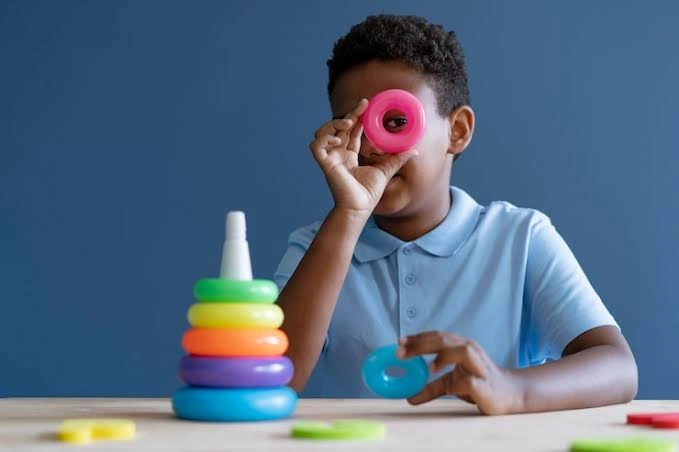
My daughter is four. She asks me things all day. Why is the sky blue. Why do we have to sleep. Why can't we have ice cream for breakfast. I don't always know the answers. But I try. Kids this age are like sponges. They soak up everything. They watch what we do. They listen to what we say. They copy us. This is how they learn.
You don't need special toys. You don't need fancy classes. You just need to spend time with your child. Talk to them. Play with them. Cognitive Development Activities For Preschoolers.
That is all.
What Is Going On Inside Their Head?
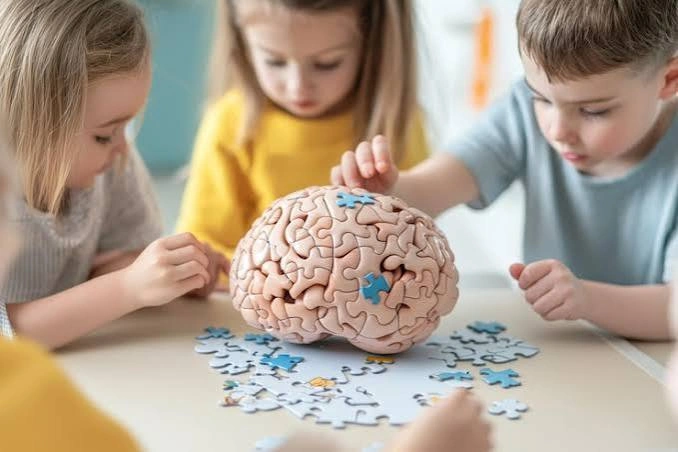
- A preschooler's brain is growing fast. Really fast. Every second new connections form. These connections help them think and remember and solve problems.
- A three year old might not count to ten. But they know when they have more cookies than their sister. A four year old might not read. But they know the marks on a page mean something. They might pretend to read a book. They look at the pictures and make up a story.
- This is normal. This is good.
- Kids grow at different rates. Some talk early. Some walk early. Some figure out puzzles fast. Some are better at making friends. It all evens out in the end.
- The most important thing is time with people. Kids need to talk to us. They need us to read to them. They need to play with things. They need to figure out how stuff works.
- Screens are not the same. A show might teach a new word. But a conversation teaches so much more. It teaches feeling. It teaches connection. It teaches give and take.
Read Also: Toys For 2 Year Old For Brain Development
Things You Can Do At Home
I want to share some things that work. They are simple. You probably do some of them already.
Read Books Together
Read to your child every day. This is the best thing you can do. But don't just read the words. Stop and talk. Ask what might happen next. Ask why a character did something. Ask how the character feels. This makes your child think. They predict. They imagine. They understand feelings. My friend reads to her son every night. One night she asked him to tell her the story from the pictures. He made up a whole new story. It was silly and fun. She realized he was not just listening. He was creating.
Play Pretend
Pretend play is not just fun. It is work for the brain. When a child pretends to be a doctor, they remember what a doctor does. They use words they have heard. They take turns. They solve problems. A block becomes a phone. A blanket becomes a cape. This is called symbolic thinking. It is the same skill used for reading. Letters are symbols. Words are symbols. Kids who pretend a lot learn to read easier. Set up a pretend kitchen. Or a store. Or a zoo. Let your child be the boss. Ask them what to do. Do not correct them if they do something wrong. Just go along with it. The learning comes from the play.
Build With Blocks
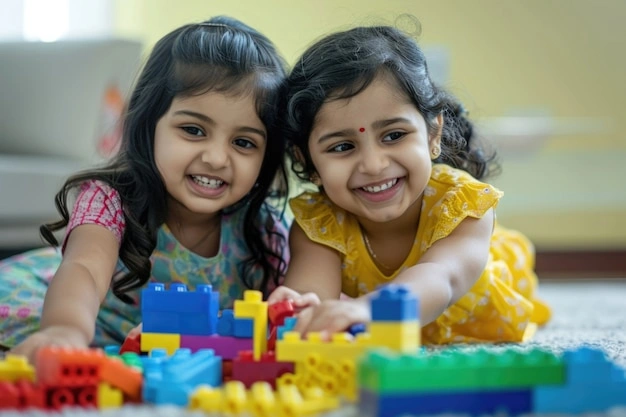
Blocks are amazing. They teach so much. A child learns about balance. They learn about size. They learn what happens when you put a big block on a small one. It falls. Ask what they are making. Ask them to describe it. If the tower falls, ask why. Ask what they could do different next time. My son built towers for hours. They always fell. But each time he tried something new. Bigger blocks on the bottom. A wider base. He figured it out himself. No one taught him. He just kept trying.
Play Memory Games
Memory matters. Kids need to remember things to learn new things. You can help with simple games. Put three things on a tray. Let your child look for a minute. Cover it. Ask them to name what they saw. Add more things as they get better. Play the shopping game. Say I went to the store and bought milk. Your child says I went to the store and bought milk and bread. Each person adds something. This builds memory and listening.
Sort Things
- Sorting is basic logic. Kids learn to see differences. They group similar things. This helps with math and science later.
- Give your child a pile of stuff. Ask them to put all the red things together. Or all the round things. Or all the soft things.
- Ask why they put certain things together. Let them explain. This builds talking and thinking.
Do Puzzles
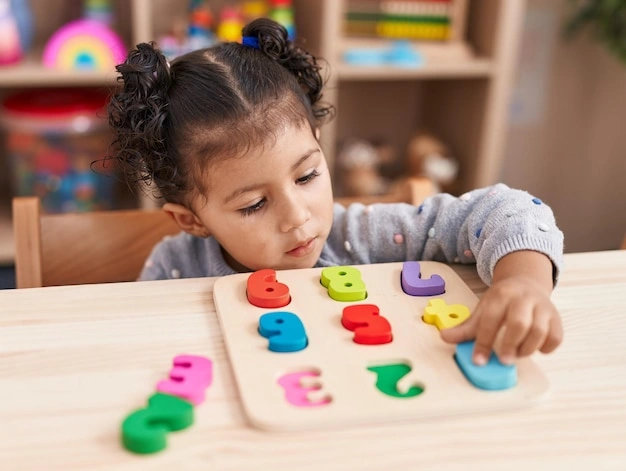
Puzzles are great for the brain. Kids look at a shape and figure out where it goes. This builds visual thinking. Start easy. Big pieces. Few pieces. Work up to harder puzzles as they get better. Do it together. Talk about what you are doing. Look for the straight edges. Find the corner pieces. My daughter loved puzzles. She did the same ones over and over. She memorized them. But she was still learning. Shapes and patterns and concentration.
Sing Songs
Songs stick in the brain. The repetition helps kids remember. The Wheels on the Bus teaches order. Old MacDonald teaches animal sounds. Sing with your child. Make up silly songs. Clap the beat. This builds talking and listening.
Go On Scavenger Hunts
Tell your child to find something red. Find something round. Find something soft. This gets them moving and looking. They have to pay attention. They have to remember what to find.
Things To Watch Out For
I want to share some mistakes I have made. Maybe you make them too.
- Do not push too hard. If your child is upset, stop. Try again later. Learning should feel good.
- Do not compare your child to others. It does not help. Every kid is different. Your child is fine.
- Do not use too much screen time. Some shows are okay. But they are not the same as talking to you. A child learns more from you than from a screen.
- Do not do everything for your child. Let them struggle a little. Let them figure things out. This builds strength. If you always step in, they always depend on you. If you let them try, they learn to depend on themselves.
You May Also Like: How To Help Shy Child Gain Confidence
Learning Happens Everywhere
- You do not need special time for learning. It happens all day.
- At the store, ask your child to find three apples. Ask them to find the biggest one. Ask them to count the oranges.
- On a walk, ask what they see. Ask what they hear. Ask what they smell.
- At dinner, ask about their day. What made them happy. What made them sad. This builds talking and feelings.
- In the car, sing songs. Play I Spy. Talk about where you are going.
- These small moments count. cognitive development activities for preschoolers.
When To Talk To A Doctor?
- Most kids are fine. But sometimes there are delays. If you are worried, ask your doctor.
- By three, most kids say their name and age. They talk in short sentences. They follow two step directions.
- By four, most kids tell simple stories. They name some colors. They understand counting.
- By five, most kids speak clearly. They can tell you what comes next in a story. They draw a person with a few body parts.
- If your child is not doing these things, do not panic. But do talk to someone. Early help makes a big difference.
- You know your child best. Trust that.
Conclusion
Parenting is hard. Really hard. You are tired. You are busy. You are doing your best. You do not need to be perfect. You just need to be there. Talk to your child. Play with them. Read to them. The years go fast. Soon they will be in school. They will learn to read and write and do math. All of that starts now. In the blocks and the puzzles and the pretending. In the stories and the songs and the talking. Give your child your time. Put down the phone. Turn off the TV. Sit on the floor. Play. Ask questions. Listen to the answers. Let them lead. Let them try. Let them fail. Let them try again.