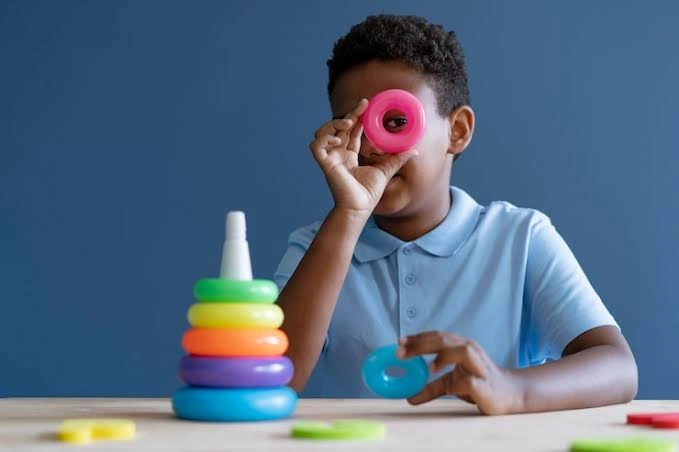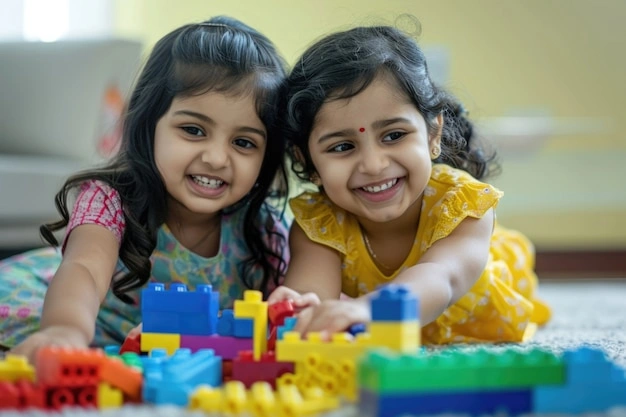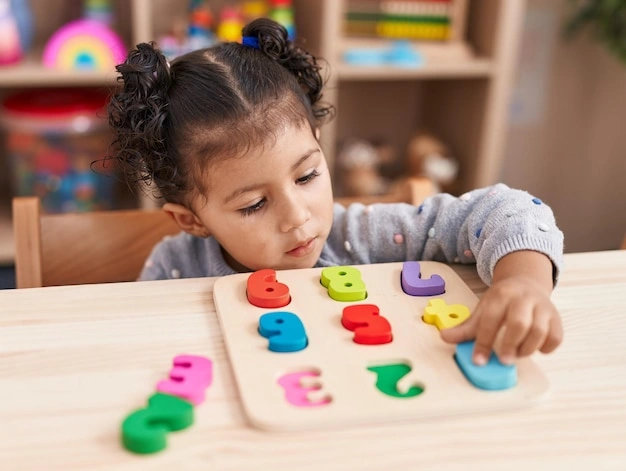
Counting games make learning numbers super fun for toddlers. These games help kids aged 2 to 4 years old get excited about numbers without feeling like school work. Parents love them because they turn playtime into smart fun. Kids giggle, jump, and clap while they count, building skills that last a lifetime. Simple toys like blocks or snacks work best. No fancy stuff needed. Start with everyday items around the house. Watch your toddler's eyes light up as they count fingers or toys. These games boost brain power, help with talking, and make sharing easy. Teachers say early counting leads to better math later. Play often, just 10 minutes a day. Repeat games to help kids remember. Make it a family habit. Soon, your little one will count to 10 on their own. Ready to dive in? Let's explore easy games that preschool counting games for toddlers.
Game 1: Finger Counting Fun
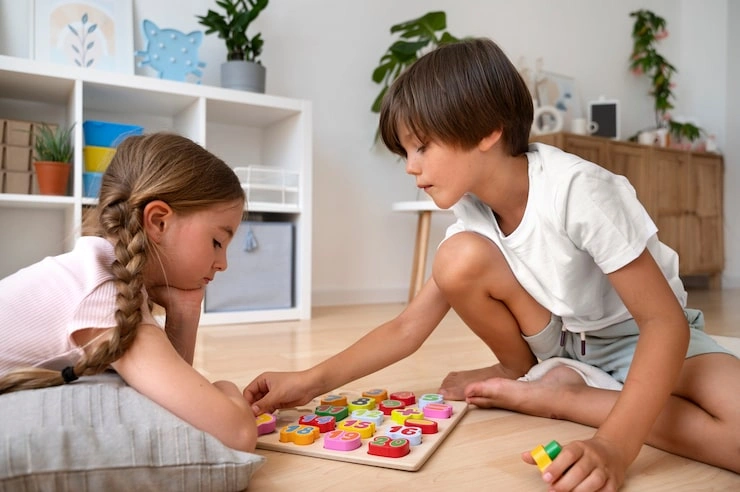
Finger counting is the easiest game for tiny hands. Sit with your toddler on the floor. Hold up one finger and say, "This is one!" Wiggle it and smile big. Let your kid copy you. Go slow, count to five fingers on one hand. Switch to the other hand for more. Clap after each count to keep it exciting. Use songs like "Five Little Ducks" to match fingers to words. Toddlers love touching their own fingers. It helps them feel numbers in their body. Play during snack time too. Count fingers before grabbing a cracker. This builds hand-eye skills. Parents see kids get better at talking numbers fast. No mess, no cost. Do it in the car or waiting in line. Repeat every day. Your toddler will point and count without help soon. Add colors: "One red finger, two blue ones!" Fun twists keep them hooked. Watch confidence grow.
Game 2: Toy Sorting Adventure
Grab a pile of toys like blocks, cars, or balls. Dump them on a rug. Say, "Let's sort and count!" Pick one toy and put it in a box. Say, "One car." Let your toddler add the next. Count together: "Two cars!" Use bowls or baskets for groups. Sort by color or shape first, then count. Red blocks in one bowl: one, two, three. Switch toys to keep it fresh. Toddlers grab and drop with joy. This game teaches colors and numbers at once. Fine motor skills get stronger from picking up items. Play for 15 minutes. Praise every count: "Wow, three balls! Great job!" Hide some toys and find them to count again. It sparks adventure. Parents report kids sorting laundry next. Easy clean-up too. Do it outside with sticks or leaves. Nature adds magic. Your little explorer will count everything in sight.
Read Also: Baby Cognitive Development Activities At Home
Game 3: Snack Time Numbers
Mealtime turns into counting magic. Line up grapes or cheerios on a plate. Say, "One grape for you!" Pop it in their mouth. Add another: "Two grapes now!" Go up to five or ten. Use fingers to point at each one. Cut fruit into pieces for safe bites. Toddlers munch and learn. No waste, all fun. Switch to crackers or cookies. "How many squares? One, two!" Let them touch and say numbers. Repeat with drinks: count sips from a cup. This links numbers to yummy rewards. Eating skills improve too. Play at breakfast, lunch, snack. Short bursts work best. Hide snacks under a cloth and count reveals. Surprise keeps them giggling. Parents love no-prep ease. Kids beg for more. Builds healthy habits around food. Soon, they count spoons or plates alone. Pure joy in every bite.
Game 4: Body Part Counting Dance
Get moving with body counts. Stand up and touch your head: "One head!" Jump and touch toes: "Two toes!" Add arms, legs, eyes. Dance around shouting numbers. Toddlers wiggle and laugh hard. Play music for extra bounce. Slow down for babies, speed up for bigger kids. Count elbows or knees next. "One elbow, two elbows!" Mirror play works great. Face each other and copy moves. This burns energy while teaching. Gross motor skills shine. No space needed, just clear a spot. Repeat favorites daily. Parents see happier, tired toddlers at nap time. Add animals: "Two puppy paws!" Imagination soars. Record a video to watch back and count again. Family memories build. Kids copy you perfectly soon. Confidence skyrockets. Perfect for rainy days. Every wiggle counts toward smarts.
Game 5: Block Tower Challenge
Stack blocks high and count each one. Give your toddler big soft blocks. Place one down: "One block!" Hand them the next. "Two blocks tall!" Build until it wobbles. Knock it down with cheers. Start over and count higher. Use different colors for patterns. Red, blue, one, two. Toddlers stack with focus. Teaches balance and patience. Fine hands get steady. Play on a mat for soft falls. Time it: who builds tallest? Gentle races excite. Hide blocks and find to count. Adventure mode on. Parents stack with kids for bonding. Lasts longer than other games. Builds problem-solving. Kids invent towers for cars or animals. Creativity blooms. Do it weekly for progress. Watch towers grow taller. Numbers stick like glue. Simple joy in every stack.
Game 6: Song and Clap Rhythm
Songs make counting stick forever. Sing "One, Two, Buckle My Shoe" with claps. Clap on each number. Toddlers join fast. Add jumps or spins. "Three, four, knock at the door!" Repeat lines slow then fast. Use hands to show numbers. Free printables online inspire more songs. Or make up tunes about pets. Clap louder for bigger numbers. Rhythm helps memory. Play in the bath with toys. Water splashes add fun. Parents sing along daily. Kids hum counts alone later. Boosts language too. Group play with siblings shines. No winners, all laughs. Record family versions. Replay for giggles. Timeless magic. Every clap builds number love.
Tips for Super Fun Counting Play
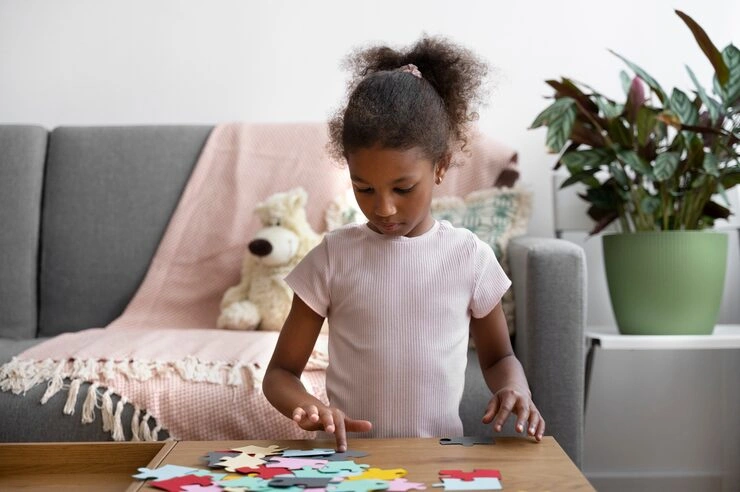
Keep games short and happy. Five to ten minutes max for wiggly toddlers. Use praise like stars: "You counted five! Awesome!" Repeat favorites but add twists. Watch your kid's face for what clicks. Mix indoor and outdoor. Park sticks count great. Safety first: no small bits for chokers. Clean toys after. Track progress in a fun chart with stickers. Share wins with family. Play with friends for social counts. Adapt for ages: less for 2s, more for 4s. Consistency wins. Daily bits add up big. Troubleshoot boredom with new props. Your home becomes a number wonderland. Patience pays off sweet.
- Praise every try, even if wrong – it builds joy.
- Use real-life stuff like stairs or steps to count daily.
Why Counting Games Help Little Brains Grow?
These games wire toddler brains for math success. Experts say touching and saying numbers builds strong paths. Kids who play count better in school. Talking improves from number words. Sharing toys teaches turn-taking. Bodies move, hearts pump happy. Parents bond closer. No screens needed, pure play rules. Long-term, it sparks love for learning. Studies show early counters read sooner. Fun prevents fear of math. Every game plants seeds. Watch your toddler bloom. Simple steps lead to big leaps.
More Ways to Count with Everyday Stuff
Count steps up stairs: one, two, hold rail. Laundry balls: sort and tally. Shoes by the door: pair counts. Books on shelf: stack and number. Dishes in sink: safe plastic ones. Garden rocks: pick and pile. Bath ducks: float and count. Car toys on ride: window views. Dinner forks: set table numbers. Bedtime stars: finger point outside. Pencil crayons: draw count lines. Buttons on clothes: touch and say. Ball bounces: one bounce, two. Spoon stirs: mix soup counts. Leaf hunt: nature tally. Mirror smiles: count teeth grins. Door knobs: open count. Pet food kibble: scoop measures. Swing pushes: back and forth numbers. Bubble pops: burst tallies. Window panes: finger trace grids. All life becomes counting class. Endless ideas spark daily. Toddlers spot numbers everywhere. Parents guide gently. World turns numeric playground. Skills layer deep.
Outdoor Counting Games for Fresh Air
Parks offer counting gold. Pick up leaves: one red, two green. Pebbles by path: sort small piles. Swing seats: count pushes. Slide down: how many times? Tree branches: point and number. Ants on ground: watch trails. Bird spots: sky tallies. Picnic snacks: share counts. Sandbox scoops: bucket fills. Flower petals: pluck gentle numbers (no harm plants). Run laps: one around, two. Jump rope slow: basic hops. Chalk numbers on pavement: hopscotch start. Cloud shapes: count fluffy ones. Wind spinners: twirl tallies. Grass blades: bundle bunches. Mud pies: patty stacks. Fresh air boosts focus. Toddlers tire happy. Nature links numbers real. Rainy day? Puddle jumps count splashes. Seasons change props. Winter snow balls roll tallies. Summer ice pops melt counts. Year-round wins. Family outings level up. Memories etch forever.
You May Also Like: Child Development Activities At Home
Indoor Games for Rainy Days
Cozy inside counts chase blues away. Pillow forts: stack cushions high. Sock balls: toss basket tallies. Paper plates: spin like pizzas, count slices. String beads: big safe ones thread numbers. Card matches: picture pairs. Balloon bats: tap air keeps. Rug squares: hop grid. Cabinet cans: stack safe tins. Flashlight shadows: wall finger plays. Blanket tents: hide seek counts. Fan blades: slow spin numbers. Clock hands: big ones point hours (fun, not strict). Stuffed animals: line up parade. Magazine clips: cut paste numbers. Tissue boxes: empty stack towers. Remote buttons: count presses (off TV). Fridge magnets: shape sorts. Hallway echoes: clap bounces. Book pages: turn tallies. Cozy corners breed calm counts. Rain patters backdrop beat. Toddlers nest secure. Skills sneak in soft. Endless rainy rescues.
Age-Specific Counting Twists
For 2-year-olds, stick basics: one, two fingers. Big gestures, loud voices. Short plays. 3-year-olds add three, four with toys. Colors mix. Let lead more. 4-year-olds go five to ten. Simple adds: two plus one. Questions prompt: "How many now?" Babies under 2: just touch point. No pressure. Growth matches pace. Signs show ready: repeats back, grabs more. Slow if fussy. Joy first always. Tracks match stages. Experts nod approval. Parents tune perfect. Every age delights. Progress peeks weekly. Cheers cheer on.
Common Mistakes and Easy Fixes
Don't rush high numbers; stick low success. Fix: celebrate small wins. No quizzes; pure play. Fix: giggle focus. Skip timers first; free flow. Fix: watch cues. Wrong counts? Gentle redirect. Fix: model right fun. Too many games overwhelm. Fix: pick two daily. Messy? Prep mats. Fix: quick tidy rule. Bored looks? Swap props. Fix: fresh twist. Screen adds distract. Fix: hands-on only. Praise over correct. Fix: effort hugs. Tired times flop. Fix: perk-up snacks. Consistency key. Fix: habit slots. Smooth sails ahead. Happy learners thrive.
Tracking Your Toddler's Counting Wins
Notebook joys chart growth. Date, game, highest count. Sticker rewards shine. Photo towers or stacks. Share preschool counting games for toddlers. Weekly reviews wow jumps. Apps optional, paper personal. Goals gentle: add one number monthly. Family walls display. Motivation soars. See patterns: songs stick fastest? Adjust smart. Celebrate milestones: ten counts party! Long view inspires. Data delights parents. Kids sense pride. Journey maps clear.
Frequently Asked Questions
What age is best for preschool counting games for toddlers?
Ages 2 to 4 work great. Start simple at 2 with fingers. Build to 10 by 4. Match your kid's pace for fun.
How often should we play counting games?
Every day, 10-15 minutes. Short bursts stick best. Mix into routines like meals or walks.
Do counting games help with other skills?
Yes! They boost talking, moving, sharing, and brain links for school math later.
Are there free materials needed?
Mostly no. Use fingers, toys, snacks, household items. Zero cost magic.