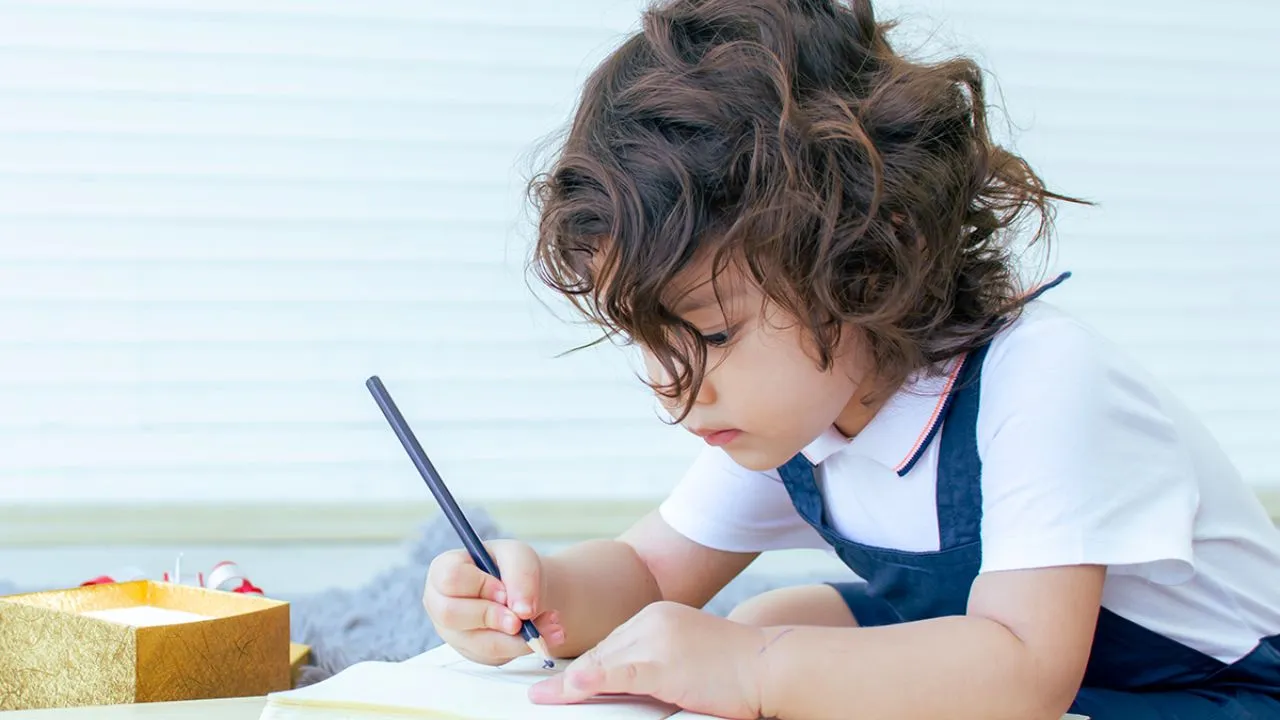
My son turned three last month. He picked up a crayon and made a mess on the wall. My first thought was to clean it up. My second thought was different. He was trying to write something. He did not know what. But he wanted to make marks. That is what three year olds do. They see you write. They see you make lists. They see you sign your name. They want to do the same thing. They just do not have the skills yet. But they can learn. And it does not have to feel like school.
I learned this the hard way. I tried to make my daughter sit at a table and trace letters. She cried. She threw the pencil. She ran away. I gave up. Then I tried something different. I made it about play. And it worked. This article is for parents who want to help their child write. Not in a strict way. In a fun way. In a way that makes your child want to pick up a crayon. In a way that builds strength in those little hands. The kind of strength they need later for pre writing activities for 3 year olds.
Let me share what I have learned. Some of it came from teachers. Some of it came from books. Some of it came from watching my own kids. And most of it came from trial and error.
What Is Really Happening Inside Those Little Hands?
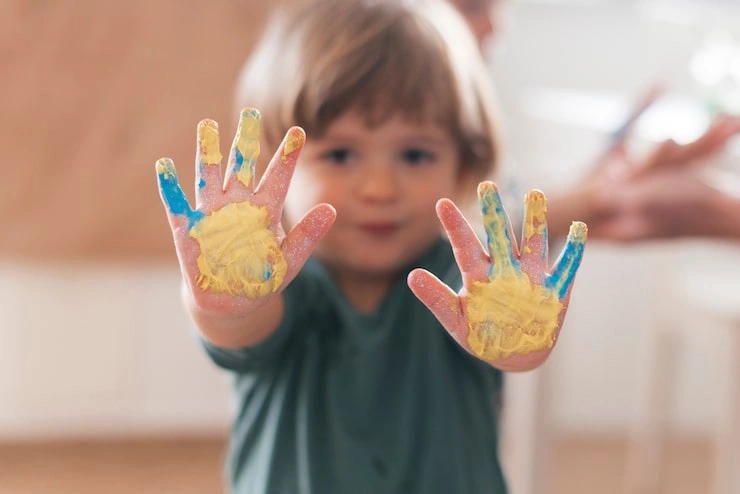
You might look at your child and see them scribbling. You might think it means nothing. You would be wrong. Scribbling is the first step. It is how children learn to control their hands. It is how they learn that their hand can make a mark. It is how they learn that the mark stays on the paper.
Before a child can write a letter, they need to do a lot of other things. They need to build hand strength. They need to learn to look at something and move their hand to match it. They need to understand that letters mean something. These are all separate skills. And they all take time.
Think about your own hand. Hold a pencil right now. Feel how your fingers move. Feel how your thumb presses against the pencil. Feel how your wrist stays steady. Now imagine you are three. Your fingers are still growing. Your muscles are not strong yet. Your brain is still figuring out how to tell your hand what to do.
That is why pushing a child to write letters at three does not work. Their hand is not ready. Their brain is not ready. But there are things you can do to help them get ready. And those things are fun.
Read Also: Cognitive Development Activities For Preschoolers
Building Hand Strength Through Everyday Play
Hand strength is the foundation. Without it, nothing else matters. A child with weak hands will hold a pencil funny. They will press too hard or too soft. They will get tired fast. They will not want to practice.
You can build hand strength without ever mentioning writing. Here is how.
My kids love Play-Doh. They love squishing it. They love rolling it. They love making snakes and balls and pancakes. I never thought about it as writing practice. But it is. Every squeeze builds those tiny hand muscles. Every roll uses the same fingers that will hold a pencil later.
We also use spray bottles. I fill one with water and let my kids spray the plants outside. They think it is a game. They chase each other with it. They spray the sidewalk. They spray the fence. All that squeezing works their hands.
Another thing we do is use tweezers. Not real ones. Plastic tweezers from a toy set. I give my kids a bowl of pom poms and another empty bowl. They have to pick up one pom pom at a time and move it. This takes a lot of finger control. My three year old cannot do it perfectly yet. But he tries. And that trying is making him stronger.
I also let him help in the kitchen. He stirs things. He scoops things. He pours things. All of these motions work his hands and arms. He does not know he is practicing for writing. He just knows he is helping me cook.
Helping Your Child Learn to Look and Move Together
Hand strength is one part. Hand eye coordination is another. This is the ability to see something and move your hand to match it. It matters for writing because you have to look at a letter and make your hand form the same shape.
You can build this skill without paper. My kids love throwing balls into a basket. They have to look at the basket and throw the ball so it goes in. That is hand eye coordination. Catching a ball is the same thing. Playing with blocks is the same thing. Stacking cups is the same thing.
When my daughter was three, she loved to play with magnets on the fridge. She would take a magnet and stick it to the fridge. Then she would move it to another spot. She was using her eyes and her hands together. She did not know she was practicing. She just liked the magnets.
I also give my kids stickers. They peel them off the sheet and stick them on paper. Peeling a sticker takes a lot of control. You have to use your fingers carefully. Then you have to move your hand to the right spot on the paper. This is excellent practice.
Making Your Child Understand That Marks Mean Something
This part is about print awareness. Your child needs to know that the marks on paper mean something. That a letter is not just a shape. It is a sound. And when you put letters together, they make words. And those words tell you something.
I did not know how to teach this at first. Then a teacher told me about the cereal box book. It is simple. You save cereal boxes. You cut out the front of each box. You punch holes in them and tie them together. Now you have a book.
My kids love this book. They recognize the cereal boxes from the store. They point at them. They tell me the names. I point to the words and say the name again. I show them that the word matches the picture. They start to understand that the word says something.
Another thing we do is read the same books over and over. My three year old has favorite books. He wants me to read them every night. After a while, he starts to remember the words. He points to the words as I read. He does not know how to read yet. But he knows those marks on the page mean something.
I also write his name on everything. I write it on his cups. I write it on his artwork. I write it on his lunchbox. He sees his name everywhere. He starts to recognize the shape. He starts to know that those letters mean him.
Activities That Work Without Feeling Like Work
Now let me share the activities that have worked best for us. These are not complicated. They do not take a lot of time. They do not cost money. They just take a little patience.
The Shaving Cream Trick
This one is messy but worth it. Spread shaving cream on a table. Let your child play in it. Let them make lines. Let them make circles. Let them make anything.
After a while, show them how to make a letter. Start with the first letter of their name. Write it on a piece of paper. Put the paper next to the shaving cream. Ask them to copy it.
My son loves this. He makes a mess. He gets shaving cream all over his arms. But he tries to make the letter. He does not always succeed. But he tries. And that is what matters.
Painting on the Wall
I tape paper to the wall. Big sheets of paper. Then I give my kids paint or markers. They stand up and draw. Standing uses different muscles than sitting. It strengthens their arms and shoulders. It also makes drawing feel pre writing activities for 3 year olds.
They draw lines. They draw circles. They draw squiggles. I do not correct them. I just let them draw. Sometimes I draw with them. I make a line and ask them to copy it. They try. That is enough.
The Leaf Threading Game
We go for a walk and collect leaves. Big leaves work best. We bring them home and I poke holes in them with a toothpick. Then I give my kids a piece of string. They thread the string through the holes.
This takes patience. My three year old gets frustrated sometimes. I help him. I hold the leaf. He pushes the string. We do it together. Over time, he gets better. His fingers get more control. His eyes and hands start working together better.
Drawing on the Floor
Sometimes we draw on the floor. I put a big piece of paper on the floor. We lie on our stomachs and draw. This is good because it strengthens the core. It also lets children draw in a different position. Changing positions changes how you use your hand.
We draw shapes. We draw lines. We trace around each other's hands. We draw faces. Anything goes. The goal is to make marks and have fun.
Using Different Writing Tools
I do not just give my kids pencils. We use crayons. We use markers. We use chalk. We use paint brushes. We use sticks in the sand. We use fingers in the mud. Each tool is different. Each tool teaches something new.
Thick tools are good for beginners. They are easier to hold. Thin tools are harder. But they teach more control. I let my child choose what to use. He likes markers best. He likes the bright colors. I do not care what he uses as long as he uses something.
You May Also Like: Preschool Counting Games For Toddlers
What I Learned From Making Mistakes?
I made a lot of mistakes when my daughter was three. I pushed her too hard. I made her sit at a table. I made her trace letters. She hated it. She started to avoid writing altogether. She would say she did not want to draw.
I realized I was doing it wrong. I was making writing feel like a chore. I was making it feel like punishment. I stopped. I let her lead. If she wanted to draw, we drew. If she did not, we did something else.
Slowly, she started to like drawing again. She started to write her name. Not perfectly. But she tried. And she was proud of herself. That pride made her want to try more.
Now with my son, I do things differently. I do not push. I follow his lead. Some days he wants to draw. Some days he wants to play with Play-Doh. Some days he just wants to run outside. I let him choose. I know that all of it helps.
When You Should Talk to Someone?
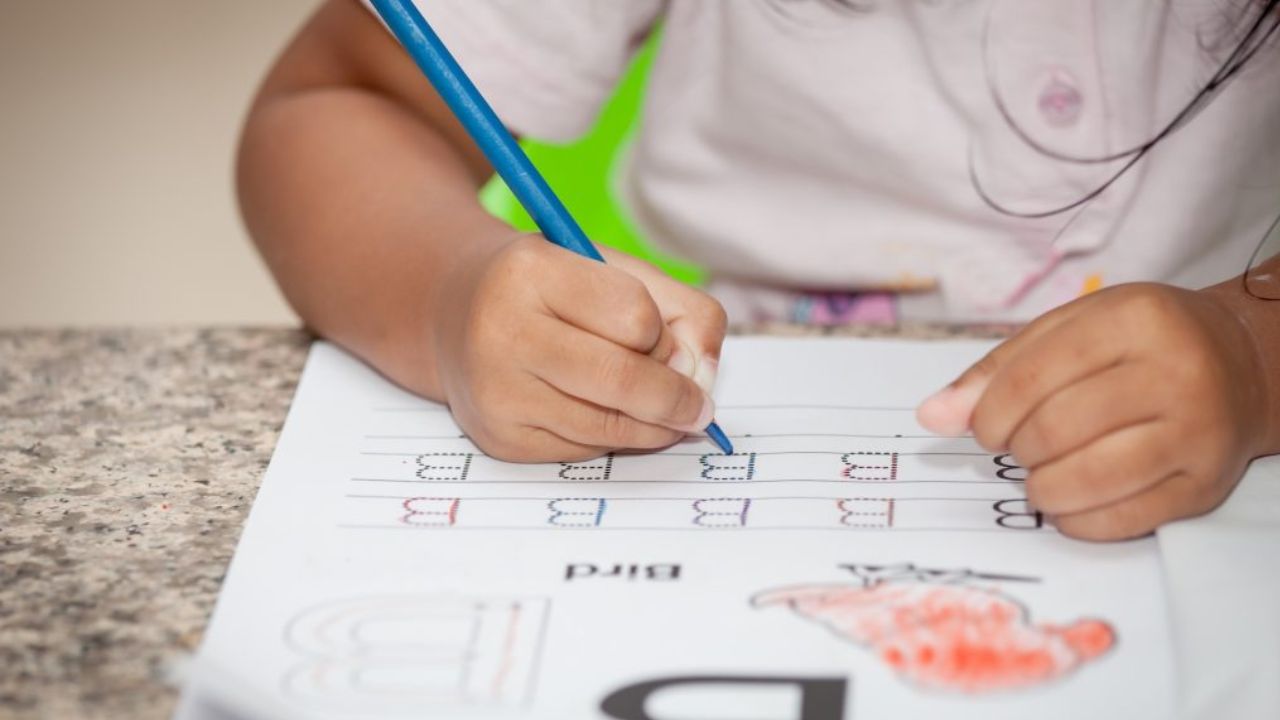
Most children develop these skills at their own pace. Some get it faster. Some get it slower. That is normal.
But there are times when you should talk to a doctor or a teacher. If your child cannot hold small objects by age three, talk to someone. If your child does not try to scribble or draw, talk to someone. If your child seems to struggle with their hands more than other children, talk to someone.
These are not things to panic about. They are just signs to pay attention to. Early help can make a big difference.
A Few Things I Want You to Remember
You do not need fancy materials. You do not need expensive toys. You do not need worksheets. You just need time. And patience. And a willingness to be messy.
Your child does not need to write letters at three. They just need to play. They need to build strength in their hands. They need to learn to coordinate their eyes and hands. They need to understand that writing is something people do. When you make writing fun, your child will want to do it. When your child wants to do it, they will practice. When they practice, they will get better. It is that simple. But it takes time. So do not rush. Do not compare your child to others. Every child is different. Every child develops differently. Your job is not to make your child write. Your job is to give them the tools and the space to get there on their own.
Conclusion
My daughter is five now. She writes her name on everything. She writes it on her drawings. She writes it on her school papers. She writes it on the whiteboard at home. She is proud of it. But I remember when she was three. She could not hold a crayon properly. She scribbled all over the walls. She did not care about letters. She just wanted to make marks.
I worried. I thought she was behind. I thought I was failing. But she was not behind. She was just three. She was doing exactly what three year olds do. Now I look back and laugh. All that worry for nothing. She got there. And she got there because I let her play. I did not push. I did not force. I just gave her chances to explore. And she figured it out.