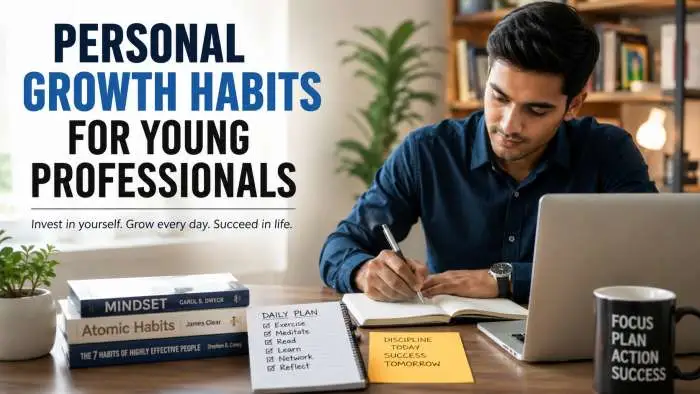
The world of work changes fast. New tools appear. New methods become popular. Staying ahead feels like a race. How does one keep up? The answer is a powerful tool: business continuing education.
This is not about going back to college for four years. It is about focused learning. It is about gaining new skills on your schedule. This guide explains everything. It covers the benefits, the options, and the first steps. Let's explore how lifelong learning for professionals can change a career.
What is Business Continuing Education?
Business continuing education is exactly what it sounds like. It is the process of learning new professional skills after starting a career. Think of it as skill upgrades for your career toolbox.
This learning can take many forms. It can be a short online course. It can be a weekend workshop. It can even be a professional certification program. The goal is always the same: to improve, adapt, and advance. It is a key part of professional development planning.
You may also read :- Master Powerful Techniques Adults Thrive in Learning
Why Your Career Needs Continuous Learning
Why is this so important? The business world is not static. Technology evolves. Customer needs shift. Continuing professional education (CPE) helps you adapt.
Here are the biggest benefits:
- Stay Updated with Industry Trends. Learning keeps you informed. You learn about emerging business skills and new software. This prevents your knowledge from becoming outdated.
- Increase Your Value. New skills make you more valuable. You can handle more tasks. You can solve new problems. This can lead to promotions and raises. It is a direct path to career advancement through education.
- Boost Your Confidence. Knowing the latest methods feels good. It builds confidence in meetings and projects. You become the go-to person for new challenges.
- Future-Proof Your Career. Some jobs change or disappear. Learning new skills prepares you for the future. It opens doors to new roles. It is the best career future-proofing strategy.
Exploring Your Learning Options: Formats and Styles
One great thing about business skill development today is choice. There is a format for every learning style and schedule.
Online Courses and Webinars: Learn from Anywhere
Online learning is flexible. You can learn from your couch or your office. Platforms offer courses on everything. You can study digital marketing strategies or financial management courses. Many offer certificates for your resume. This is a core part of executive education online.
Professional Workshops and Seminars
These are short, focused events. They often last a day or two. They provide deep training on one topic. A workshop on leadership development programs is a common example. They are great for networking, too.
Pursuing Certifications and Licenses
Some fields require official certificates. A project management certification like PMP is valuable. So is a certificate in human resources certification. These show deep, verified knowledge. They are powerful for professional credential advancement.
The Power of Industry Conferences
Conferences are learning playgrounds. You listen to experts. You see new products. You talk to peers from other companies. They are perfect for getting a big-picture view of your industry-specific training needs.
Finding the Right Program for Your Goals
With so many choices, how do you pick? Follow these simple steps. First, identify a skill gap. What do you need to learn for your next career move? Do you want to lead a team? Then look for management training workshops. Do you need to understand data? Search for data analysis for business courses.
Next, check the source. Make sure the provider is trusted. Look for reviews from other students. A good program focuses on practical business training. Finally, think about time and cost. Be realistic. A short, affordable course you finish is better than an expensive one you abandon.
Turning Learning into Real-World Results
Learning is only the first step. The magic happens when you use the new skill. Try this: After a course, pick one small thing to do differently at work. Used a new strategic planning framework? Apply it to a small project. Learned a new sales technique training method? Try it in your next client call. Tell your manager about your new skills. Add them to your resume and LinkedIn profile. This shows you are committed to growth. It turns education into opportunity.
Success Stories: Learning in Action
Consider Maya, a marketing coordinator. She felt stuck. She took an online course in social media marketing certification. Six months later, she ran a successful campaign. She was promoted to Social Media Manager.
Then there's David, a team lead. He was good at his job but wanted to be better. He completed a leadership development program. He learned new ways to motivate his team. Team happiness and productivity went up. David is now being considered for a senior manager role.
These stories are common. Business continuing education provides the tools. Dedicated professionals use them to build their own success.
Overcoming Common Learning Roadblocks
People often face two big hurdles: time and money. The time challenge is real. But learning can be broken into small pieces. Listen to a business podcast during your commute. Watch a 20-minute tutorial at lunch. Every little bit adds up. It is about micro-learning for professionals.
Cost can be a concern. Many high-quality, free resources exist. Also, many companies offer tuition reimbursement programs. Ask your human resources department. They might pay for your courses.
Building a Lifelong Learning Habit
Make learning a normal part of your life. Set a goal to complete one new course each quarter. Follow industry news. Read one professional development book a year. Join a professional association. They often have learning resources. Find a mentorship for skill growth. A mentor can guide your learning journey. Remember, continuous learning for leaders and all professionals is not a one-time task. It is a habit. It is the habit of always growing.
Your Next Step: Start Today
The path forward is clear. Business continuing education is the key to unlocking potential. It keeps skills sharp. It opens new doors. It builds a rewarding, future-proof career. Review your goals. Find one small course or resource. Take the first step. Your future self will thank you for the investment.
Frequently Asked Questions
Q: Is business continuing education only for managers?
A: No, it is for everyone. Anyone who wants to improve their professional skills can benefit. From new employees to CEOs, lifelong learning for professionals is valuable at every stage.
Q: How do I convince my boss to pay for a course?
A: Focus on the business benefit. Explain how the new skill will help you do your job better. Will it improve efficiency? Increase sales? Help the team? Present a short, clear proposal that links the professional development planning to a positive result for the company.
Q: Can online courses really be as good as in-person classes?
A: Yes, many are excellent. The best executive education online programs are interactive and taught by experts. They often include videos, projects, and discussions. The key is to choose programs from reputable sources.
Q: How much time should I spend on this?
A: There is no fixed rule. Even an hour a week can make a big difference over time. Consistency is more important than spending many hours at once. Micro-learning for professionals is a very effective approach.