Ever feel like your brain's a rebel, dodging homework like it's the plague? I get it—I've been there, and so have countless students I've helped. Self discipline isn't some born-with-it gift; it's a skill you build, brick by brick. This guide dives deep into how to improve self discipline for students, with stories from real kids who turned chaos into calm. No theory overload—just stuff that works. Ready to level up? Let's roll.
Understand Why Self Discipline Matters
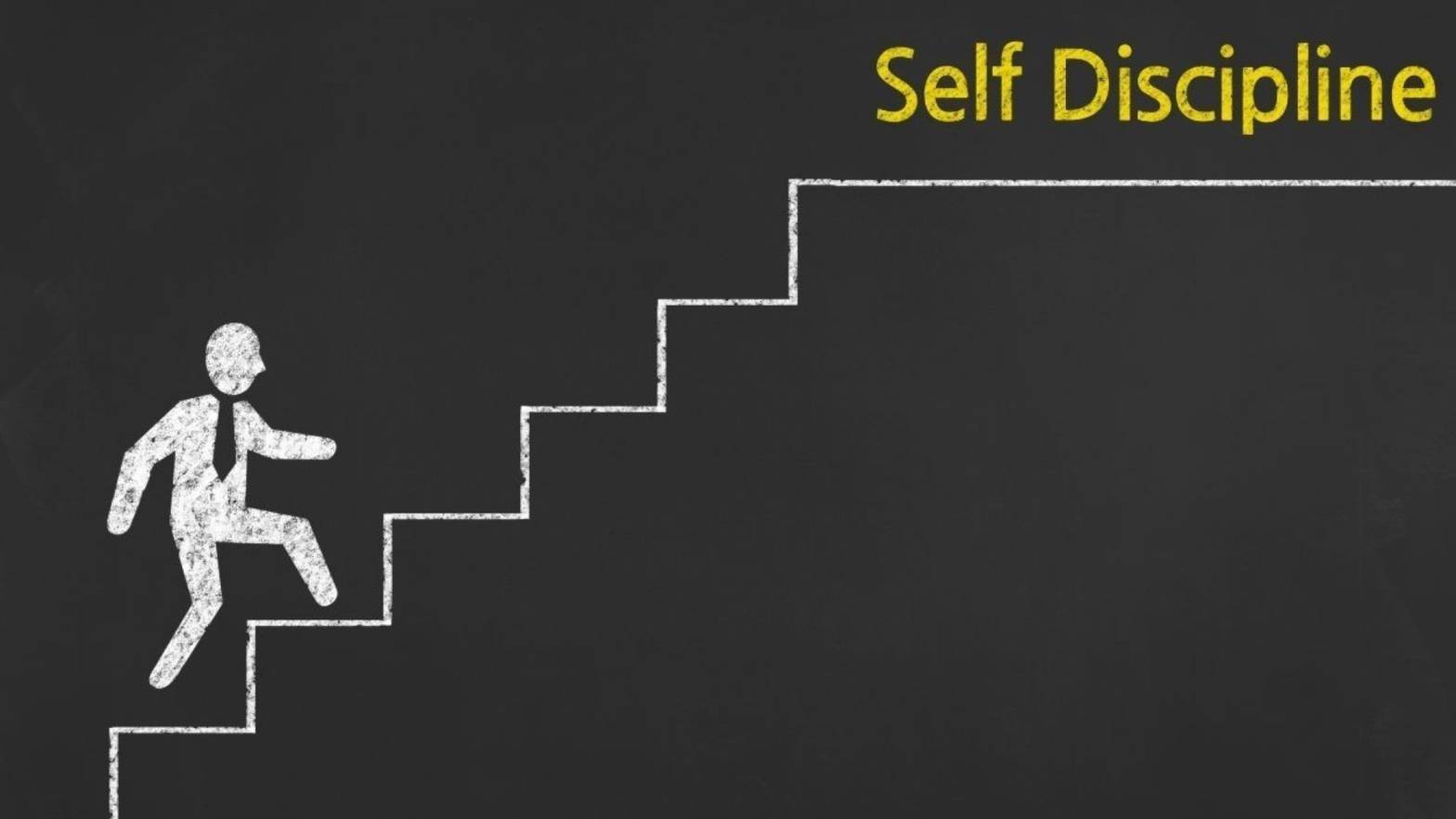
Picture this: You're knee-deep in a binge-watch, homework glaring from your desk. That pull-away moment? That's weak discipline at play. For students, self discipline is the quiet force that says, "Not today, Netflix." It keeps you on track when motivation ghosts you. Why bother? Without it, assignments snowball into all-nighters, grades tank, and confidence crumbles. But flip it: Disciplined students wrap up work early, snag free evenings for sports or hangs, and crush exams. It's freedom disguised as effort.
Take my friend Raj's kid, Aryan. Middle school hit hard—phone addiction ruled. He journaled distractions for seven days straight. Turns out, Instagram stole three hours daily. That eye-opener flipped a switch. He started small, cutting scrolls by 30 minutes. Weeks later, his report card glowed. Awareness sparked action. Discipline also sharpens your future edge. Colleges spot it in habits, not just scores. Employers too—it's the "gets it done" trait bosses love. But it's deeper: Less stress means better sleep, sharper focus, even funner friendships. No more guilt-riddled chats.
Slumps happen. Maybe family drama or burnout sneaks in. Here's the truth: Discipline rebounds when you treat it like a friend, not a drill sergeant. Track wins weekly—what worked? Celebrate. One girl I know marked a "discipline calendar" with stars. Visual proof fueled her fire. Long-term, it rewires your brain. Science backs it—consistent choices thicken prefrontal cortex pathways for better impulse control. Students who drill this early sail through college chaos. It's not punishment; it's power. Spot your why—better grades, proud parents, dream career—and let it pull you.
Key Takeaway: Self discipline unlocks freedom and future wins—journal your distractions today.
Read Also: Productivity Tips For Students Preparing For Exams
Set Clear, Achievable Goals
Dreams without direction? Useless. Vague "study harder" vibes crash fast. Enter SMART goals: Specific, Measurable, Achievable, Relevant, Time-bound. They're how to improve self discipline for students gold. Break it down. Want A’s in science? Don't say "ace the test." Try: "Review chapter 5 notes for 20 minutes daily, Monday-Friday, before snack time." Measurable? Check. Doable? Yes. Relevant to your GPA? Absolutely.
Start micro. One high schooler, Priya, eyed straight A’s but overwhelmed. She picked English first: "Write one paragraph outline nightly, 15 minutes max." Hit it for two weeks, confidence boomed. Then layered math. Snowball effect. Write 'em everywhere—notebook, wall sticky, phone lock screen. Morning ritual: Read aloud, visualize success. Feels cheesy? It works. Adjust weekly: Too easy? Up the ante. Too hard? Scale back. Real story: Teen gamer switched "no games till homework" to "30 minutes game after 1-hour study." Goals with hooks stick. Track progress in a simple chart—columns for day, goal, done? Green check or red X. Seeing streaks motivates.
Pitfalls? Overloading. Max three daily goals. Life shifts—sick day? Grace yourself, resume tomorrow. Pair with why: "This gets me to med school." Emotion cements it. Long-game goals anchor: "Graduate top 10% by consistent daily grind." Reverse-engineer: What weekly steps? Daily bites? This ladder climbs effortlessly. Students mastering this report 40% more productivity. Your turn—pen one SMART goal now.
Key Takeaway: SMART goals map your wins—craft three for this week.
Build a Simple Daily Routine
Routines? They're discipline's secret sauce, turning "should" into "automatic." No need for military precision—a flexible skeleton works wonders. Core idea: Anchor habits around natural rhythms. Morning person? 6 AM wake, 20-minute review over breakfast. Night owl? Post-dinner deep dive. Key: Consistency trumps perfection. Craft yours step-by-step. 1) Pick wake time, stick 80%. 2) Block peak energy for tough subjects—say, math 4-5 PM. 3) Slot breaks: Eat, stretch, hydrate. 4) Evening close: Pack bag, plan tomorrow, no screens 1 hour pre-bed. Example from life: College freshman Liam flunked first semester, parties ruled. New routine: 7 AM alarm, 30-minute jog, study till noon, afternoon free-ish. Bed by 11. Grades flipped to dean’s list. Why? Fewer choices mean less willpower drain.
Tweak for you. Weekends lighter—review only. Family dinner? Build around it. Tools? Alarm for transitions, playlist for focus vibes. Slips? Normal. Miss morning? Evening double-up, no excuses. Track a week: What flows? Tweak drags. One student added "gratitude minute" end-day—boosted positivity, stuck the routine. Benefits stack: Better sleep regulates hunger hormones, curbing snack binges that kill focus. Routines foster flow state—deep immersion where time flies productively. How to improve self discipline for students? Routines make it brain-default.
Key Takeaway: Nail one routine anchor—your day transforms.
Master Time Management Tricks
- Time's your ally or thief—choose. Poor management scatters energy; smart tricks channel it. Self discipline shines here.
- Pomodoro rules: 25 minutes laser focus, 5-minute breather. Four cycles? 15-30 minute reward break. Timer dings? Switch tasks. Builds endurance without fry.
- Prioritize ruthlessly. Eisenhower matrix: Urgent-important grid. Do important first, delegate/skip rest. Daily top three: Non-negotiable.
| Time Trick | How It Works | Student Win Example | Pro Tip |
|---|---|---|---|
| Pomodoro | 25/5 cycles | Doubled essay output | Use kitchen timer for zero excuses |
| Eisenhower Matrix | Sort tasks by urgency/importance | Cleared backlog in a week | Review nightly |
| Time Blocking | Schedule like meetings | Finished syllabus early | Color-code subjects |
| 2-Minute Rule | Do tiny tasks instantly | Cleared email pile | Builds quick-win momentum |
| Weekly Audit | Log hours Sunday | Cut social media by 50% | Adjust next week |
- Real deal: Sophomore Nina bombed midterms, endless scrolls. Time blocks: 2-3 PM bio only, phone off. Audit Sundays revealed leaks. She reclaimed 10 hours weekly.
- Avoid traps: Multitasking drops IQ 10 points. Batch similar tasks—notes then quizzes. Say no gracefully: "Studying now, chat later?" Delegate chores if possible.
- Advanced: Theme days—Monday math heavy. Track with planner. Students using these hit 30% grade boosts. Master time, master life.
- Key Takeaway: Pick one trick, track a week—watch time multiply.
Eliminate Distractions Effectively
Distractions are discipline assassins. One ping, focus shatters—lost 23 minutes recovering, studies say. Lock 'em out. Zone zero: Desk sacred—books only, door shut. Study spot ritual: Sit, deep breath, go. Phone nemesis? Airplane mode or drawer exile. One rule: Check post-Pomodoro.
Bullet busters:
- Notification nuke: Silence all but emergencies during blocks.
- Web walls: Block sites 1-3 hours daily—easy settings.
- Environment hack: Library or cafe for vibe shift.
- Mind dump: Jot random thoughts pre-study, park 'em.
Tale: High schooler Kai, gamer trap. App blocked games study hours. Paired with desk clear-out. Homework time halved. Internal foes? Hunger, boredom. Prep snacks, fun breaks. Friends texting? "Focus mode, talk 6 PM." Boundaries build respect. Long-haul: Habit stack—post-dinner study, no exceptions. Audit distractions weekly: App logs reveal truths. Clean slate restores power. How to improve self discipline for students starts here—distraction-free wins big.
Key Takeaway: Banish one distraction today—focus floods in.
Use Rewards and Accountability
- Willpower wanes; rewards recharge. Beat biology—dopamine from treats wires habits deep.
- Micro-rewards: Post-chapter, 10-minute stretch or tune. Big: Weekend outing after test prep.
- Accountability partners: Friend duo-checks, parent nods, online group. Weekly share: "Hit 80% goals."
- Story time: Twins Mia and Leo competed streaks. Loser bought smoothies. Playful pressure? Grades soared.
- Trackers: App chains or wall chart—don't break the chain. Slip? Analyze, reward restart.
- Self-account: Mirror talk—"You got this, one page." Feels odd, builds grit.
- Combine: Goal + buddy + treat. One mentee journaled wins nightly, shared Sundays. Motivation sustained through finals.
- Pitfalls: Over-reward saps intrinsic joy. Balance—mostly internal pride. Long-term, discipline self-rewards. Students report 2x consistency.
- Key Takeaway: Reward smart, share goals—stick power surges.
Stay Healthy to Boost Willpower

Discipline? Body first. Skip sleep, willpower tanks 60%. Fuel right, conquer. Sleep sanctuary: 7-9 hours, dark room, no doom-scroll. Consistent schedule regulates cortisol. Eats: Brain food—avocados, berries, nuts. Steady energy, no crashes. Water: Half body weight ounces daily. Move: 20-minute walks oxygenate brain, cut anxiety. Yoga for stress melt.
Bullets for wins:
- Meal prep: Study fuel ready—no junk grabs.
- Power naps: 10-20 minutes mid-afternoon reset.
- Breath work: 4-7-8 technique calms pre-study jitters.
- Sun soak: Morning light sets circadian rhythm.
Case: Athlete-student Zoe added greens, runs. Focus sharpened, As flowed.
Stress buster: 5-minute meditation apps. Health habits compound—better mood, endurance. Self discipline thrives in tuned bodies.
Key Takeaway: One health tweak daily—energy explodes.
Handle Setbacks Like a Pro
- Fails? Expected. Champions rise faster. How to improve self discipline for students? Reframe flops.
- Post-slip: Pause, ask why. Tired? Overplanned? Tweak: "Nap first tomorrow."
- No shame spirals—kills momentum. Compassion restarts engines.
- Journal: "Missed study—party invite. Next: Polite no." Patterns emerge.
- Support net: Vent to buddy, gain perspective. Group studies normalize bumps.
- Resilience ritual: After fix, small win—5 pages. Builds proof.
- Epic comeback: Dropout-risk kid after routine rebuild aced finals. Persistence pays.
- Growth mindset: "Not there yet." Track recoveries—new strength metric.
- Key Takeaway: Flip fails to fuel—bounce stronger.
- Discipline's your edge. Start today—one step. Transform awaits.
You May Also Like: What is the best morning routine for productivity?
FAQs
1. How long does it take to build self discipline?
2-4 weeks for basics, months for mastery. Daily micro-habits accelerate—patience wins.
2. What if motivation vanishes?
5-minute start rule. Pair with reward. Motion creates emotion.
3. Best apps for discipline?
Timers like Focus Booster, blockers like Freedom. Simple first—no feature overload.
4. Exam-season discipline tips?
Double reviews, mock tests weekly. Sleep priority—cramming fools.
5. Family distractions—how?
Quiet zone sign, scheduled family time. Communicate goals kindly.