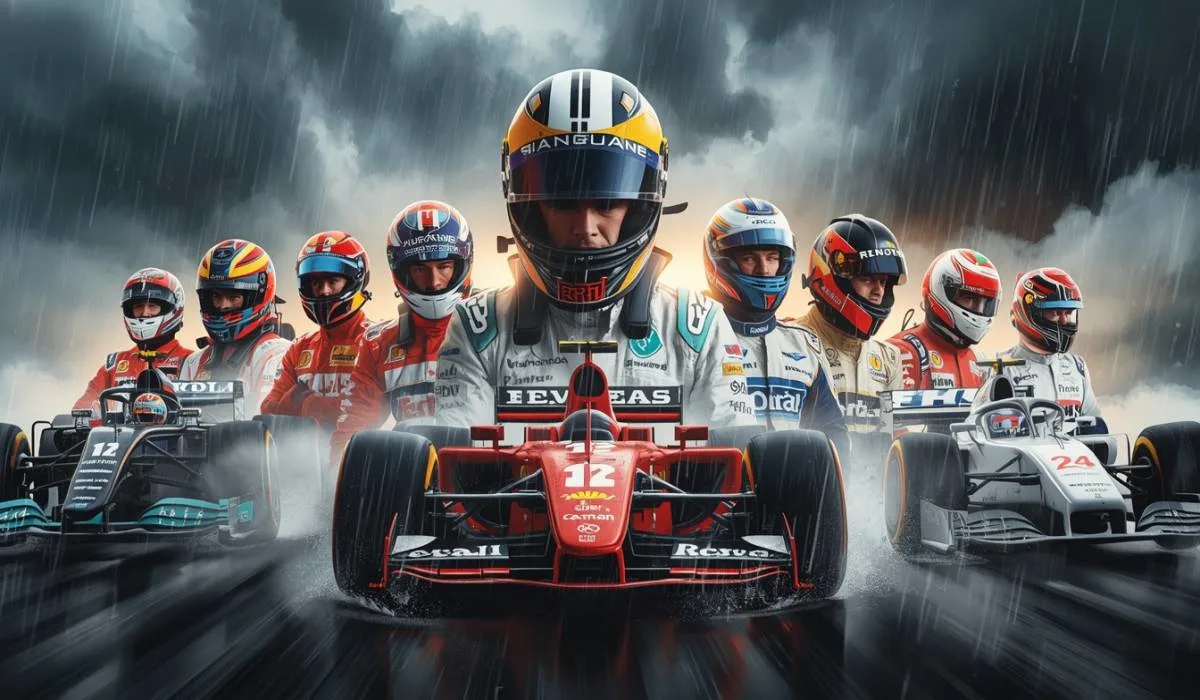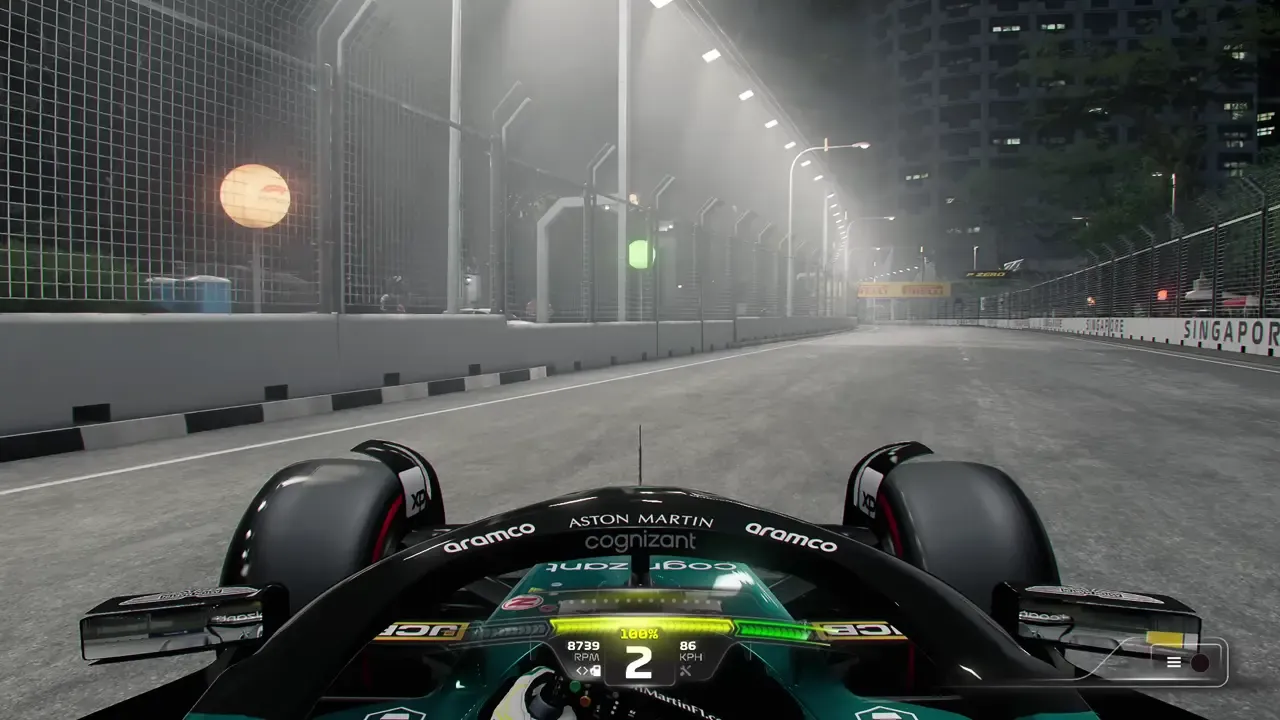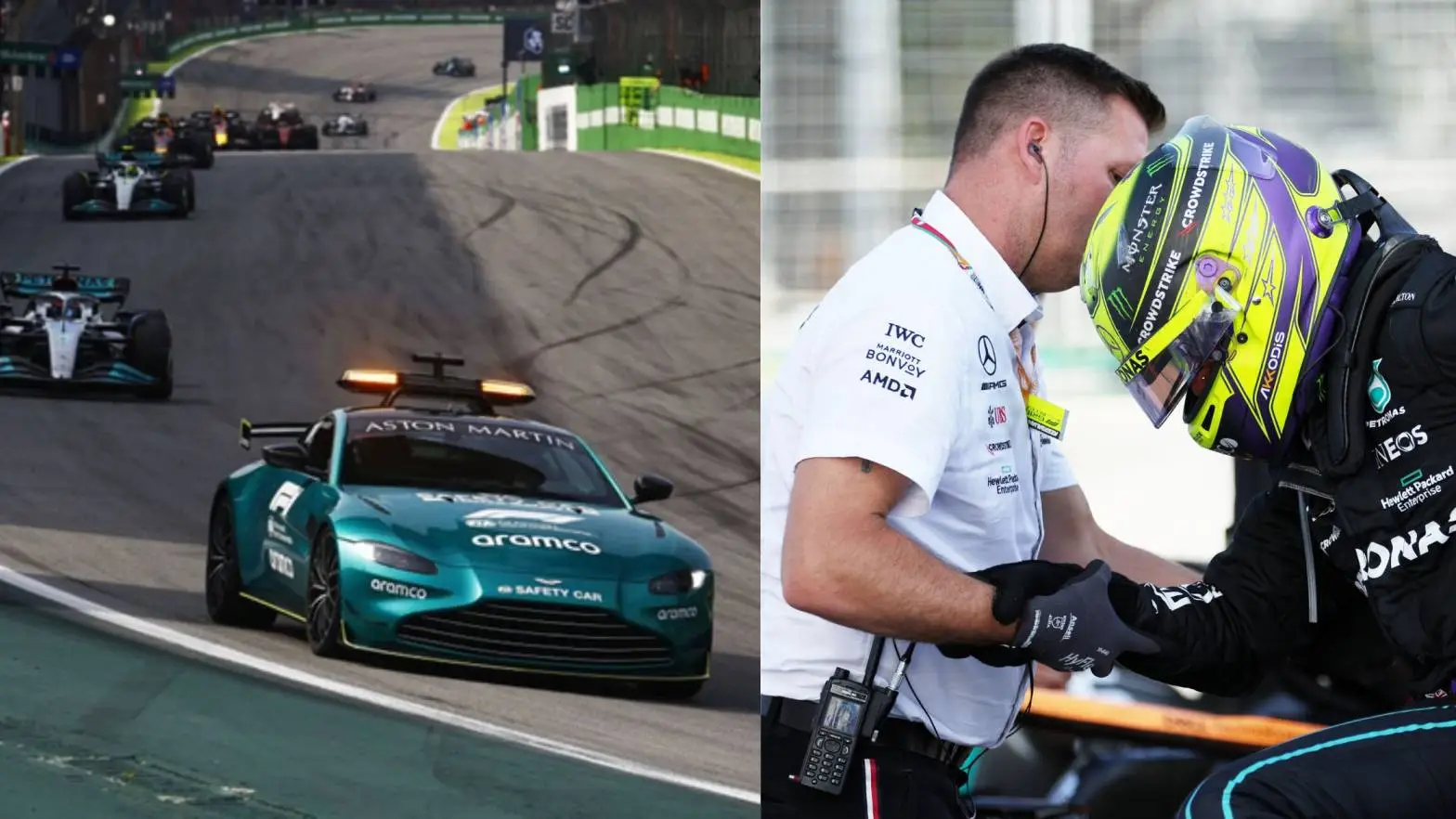
Ever watched a Formula 1 race and seen the drivers zigzagging like crazy behind that safety car? It grabs your eye every time. You're probably scratching your head thinking, why Formula 1 drivers weave behind safety car. Looks like kids playing, but it's dead serious business. Those moves keep cars alive and ready to pounce when the race restarts. I've been glued to F1 screens for years, from rainy starts to epic comebacks. Trust me, this weaving isn't random—it's a survival trick packed with smarts.
In this piece, we'll unpack it all nice and easy. No tech overload, just straight talk from the pits. We'll cover why they do it, how it works on brakes and tires, the risks if they don't, and tips even armchair fans can use to spot the pros. By the end, you'll never see a safety car period the same way. Let's hit the track.
Safety Car 101: Why It Even Shows Up
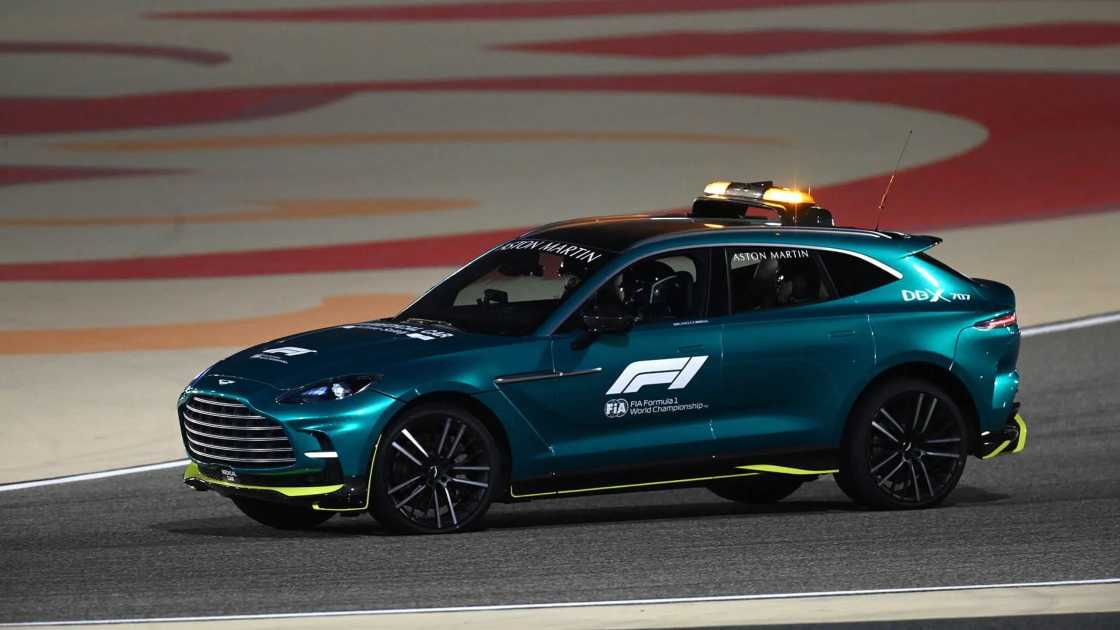
Picture this: debris everywhere from a big shunt, or rain turning the asphalt into a skating rink. Boom—safety car out. It bunches the pack, slows things to a crawl, maybe 100 kph tops. No overtaking, just follow the pace car like ducks in a row. Goal? Clear the mess safely, give marshals time to work. But here's the rub. Slow speeds mean cold parts. Rubber marbles up the track from tire wear—tiny balls that send cars sliding. Why Formula 1 drivers weave behind safety car starts here. They zigzag to sweep that junk away. Left, right, left—like a broom on wheels. Cleans their line for the restart dash. Teams plan it. Front guys weave light to save rubber; backmarkers go nuts to heat up. I remember a wet race where one driver skipped it—spun on lap one. Lesson learned. It's not showboating; it's track prep. Drivers feel the grip through their seat, adjusting on the fly.
- This sets up everything else. Clean track, warm bits—check. Without weaving, restarts turn into pinball.
- Key takeaway: Safety car periods are chaos control, and weaving is the clean-up crew.
Read Also:What Happens During Practice Sessions In F1
Brake Drama: Too Hot or Too Cold Kills Laps
F1 brakes are beasts. They clamp carbon discs spinning wild, hitting 1,200°C easy. You see the glow on close-ups. Racing hard? They stay toasty. But safety car hits, speeds tank, braking drops off. Five laps in, they're chilly—say 200°C. Too cold, they glaze over, grab weak. Enter weaving. Why Formula 1 drivers weave behind safety car ties straight to brakes. Swerving lets them brake lightly in bursts. Left weave—dab. Right weave—dab again. This cycles heat just right. Not slamming like race pace, but enough to fend off fade. Pros time it perfect, using downshifts too. Think of it like cooking steak. Too hot, charred; too cold, raw. Weaving's the medium rare. Data logs show teams watch temps live—radio buzzes if they're off. One champ said in an interview, "Feel the pedal bite change, weave harder." Spot on.
- Miss it? Restart lock-ups happen. Cars fishtail, rivals zoom by. Practical fix: weave wide but smooth, avoid gravel traps.
- Key takeaway: Brakes demand weaving TLC—get it wrong, lose the fight before it starts.
Tire Warm-Up: Grip from the Groove
Tires rule F1. Slick, soft compounds hug the track at 300 kph, but only when warm—around 90-110°C. Safety car parade? They cool to 40°C fast, turning grippy rubber to soap bars. Straight line? Fine. Corner? Slide city. Weaving fixes that. Formula 1 drivers weave behind safety car to scrub tires side to side, generating friction heat. It's like rubbing hands on a cold day. Drivers carve big S-shapes, flexing sidewalls, warming compounds evenly. Outer edges get love too—not just the middle.
Here's a quick table on tire temp effects:
| Tire Temp Range | Grip Level | What Happens on Restart |
|---|---|---|
| Below 50°C | Poor | Instant slides, lost positions |
| 60-80°C | Fair | Okay start, but fades quick |
| 90-110°C | Peak | Razor-sharp turns, big gains |
| Over 120°C | Risky | Blisters form, sudden drop-off |
Teams pick compounds knowing this. Softer ones need more weave; harder last longer cool. Drivers vary patterns—tight for precision, wide for max heat. I've seen midfielders leapfrog leaders by nailing this.
- Pro tip: Watch tire smoke on TV. Wispy? Good heat. None? They're toast.
- Key takeaway: Weaving turns cold tires into weapons—skip it, kiss podium dreams goodbye.
Dirty Track Fight: Sweeping the Marbles
Tracks get filthy quick. Tire rubber shreds into marbles—pea-sized bits that roll like ball bearings. Line up behind safety car, and they pile on the groove. One touch, you're pirouetting into barriers. Weaving is the street sweeper. Why Formula 1 drivers weave behind safety car boils down to cleaning house. Zigzag pushes marbles off-line, onto the cleaner asphalt outside. Fresh rubber bites better. Drivers aim for 10-15 weaves per lap, varying width to scrub deep.
It's risk-reward. Too aggressive? Hit kerbs wrong, damage floors. Too shy? Stuck in junk. Vets read the track—damp? Less weave. Dry? Go wild. Engineers track it via cameras, tweaking for each stint. Real talk: In long safety car periods, this wins races. Clean line means first-lap passes stick.
Key takeaway: Marbles are silent killers—weaving's your shield.
Team Tactics and Driver Style
Not all weaves are equal. Teams script it. Leaders conserve—gentle sways to save tire life. Chasers attack—big swings for max heat and clean lines. Safety car radio crackles: "Weave aggressive, box on green." Driver personality shines. Aggressive types weave like maniacs, gaining edge. Smooth operators precise, no waste. Stats show top finishers average 20% more weave distance in packs.
- Key tactics:
-
Front-runners: Short, frequent weaves—preserve for endgame.
- Underdogs: Wide arcs—steal temp advantage.
- Wet conditions: Minimal weave—avoid hydroplaning.
-
This separates men from boys. Young guns overdo it, spin out. Vets? Poetry in motion.
Key takeaway: Weaving's a chess move—teams and styles decide who shines.
Risks and Rookie Mistakes to Dodge
Weaving ain't free. Push too hard, weave into gravel—punctures galore. Narrow tracks punish wide moves; clip a wall, race over. Safety car fools newbies—they weave blind, ignoring mirrors.
Common traps:
- Over-weaving: Tires blister from excess friction.
- Ignoring traffic: Bump the car ahead, penalties fly.
- Forgetting fuel: Extra moves burn more, pit sooner.
Fixes? Practice in sims, trust spotter. Pros debrief every stint—what worked, what wrecked. One driver wrecked a pole by skimping weaves—tires dead cold. Spot these on TV: Erratic lines mean trouble brewing.
Key takeaway: Smart weaving wins; reckless wrecks careers.
Restart Magic: Where Weaving Pays Off
- Lights out—safety car peels off. First corners decide chunks of the race. Warm brakes? Grip? Clean line? Thank weaving. Cold setup? Pray.
- Winners nail the slingshot—burst from clean groove, dive inside. Stats: 60% position changes trace to safety car restarts. Weaving stacks the odds.
- I've yelled at screens when it clicks—a backmarker weaves like a boss, steals third by turn one. Pure thrill.
- Key takeaway: Weaving's the secret sauce for restart glory.
Fan Hacks: Spot Weaving Like a Pro
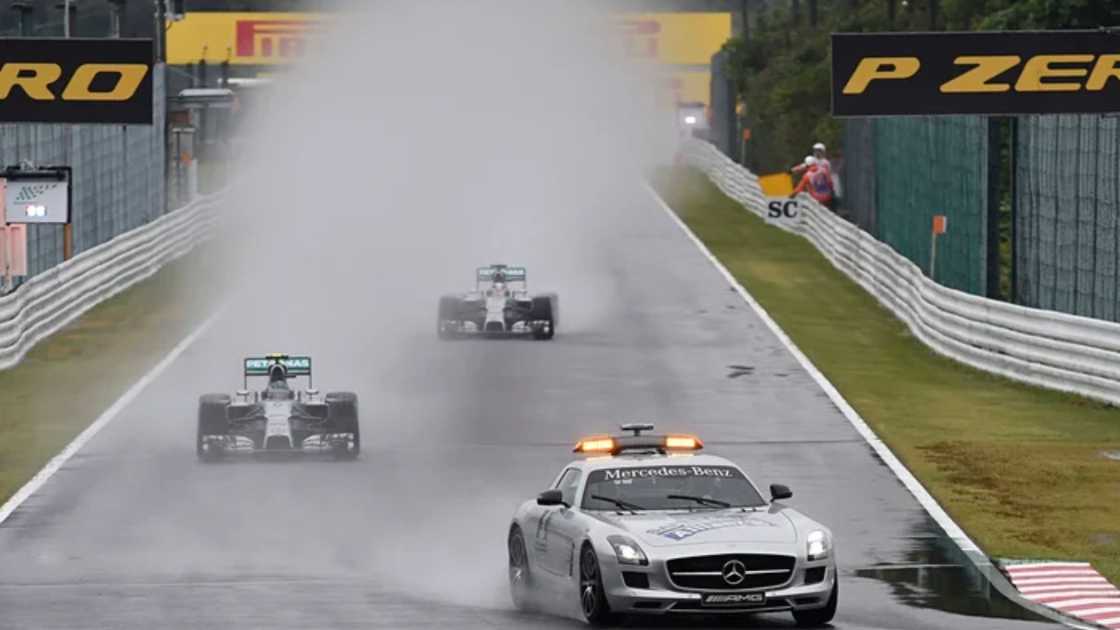
- Love F1? Level up. Watch onboard cams—see brake lights pulse with weaves. Note patterns: Tight for brakes, wide for tires. Commentators call it? They're reading the same cues.
- Next race, track one driver per stint. Jot mental notes—did heavy weaving win the restart? Builds your eye.
- Bonus: Play F1 games, tweak settings for cold starts. Feels the weave need firsthand.
- You're now trackside smart.
- Key takeaway: Fans who get weaving predict winners.
You May Also Like: Top 10 Formula 1 Drivers of All Time
Evolution Over Years: How It Changed
- Back in the day, safety car was rare—double yellows ruled. Weaving? Mostly instinct. Now? Full data era. Sensors map every sway, AI predicts optimal patterns.
- Rules tightened—no weaves before safety car fully in. Fines for wild stuff. But core stays: heat, clean, grip.
- Future? Maybe auto-temp tires, less need. For now, weaving's king.
Key takeaway: Tech evolves, but weaving basics endure.
| Weaving Era Comparison | Old School (Pre-2010) | Modern (2020s) |
|---|---|---|
| Tools | Gut feel | Live telemetry |
| Focus | Basic heat | Precise temps |
| Risk | High crashes | Managed via data |
| Impact | Gut wins | Data edges |
Frequently Asked Questions
1. Is weaving behind the safety car mandatory?
No rule says weave or bust. But skip it, and you're handicapped. Teams demand it—radio reminders fly. It's unspoken must-do for staying sharp.
2. How long do Formula 1 drivers weave behind safety car periods?
Depends on the mess—2 to 15 laps typical. Short? Quick scrubs. Long? Steady rhythm to avoid overheat. Drivers adapt.
3. Does every driver weave the same way?
Nope. Styles vary—aggressive vs. smooth. Tracks matter too: tight circuits mean smaller weaves. Personal flair shows talent.
4. Can weaving damage the car?
Yes, if sloppy. Excess hits kerbs, bends parts. Wrong angle grinds floors. Pros keep it clean.
5. Why don't they just pit during safety car?
Some do for tires/fuel. But weaving keeps you in fight without stopping. Pitting loses track position—big risk.