Have you ever wondered what the Formula 1 cars are doing on track two days before the race? It looks like they are just driving around, but it is so much more than that. Those practice sessions are like the biggest, fastest homework session you could ever see. The team has only a few hours to learn everything. They need to learn the track, set up their car, and make a plan to win. Let's dive in and see exactly what happens what happens during practice sessions in f1.
Why Practice Sessions Are So Important?
Think of an F1 end of the week like a huge test at school. The race on Sunday is the last exam. The hone sessions on Friday and Saturday are your think about time and your hone tests. You would not need to take a huge test without considering to begin with, right? It is the same for an F1 group. They utilize this time to reply huge questions. How quick can our car go? How do the tires work here? What will the driver require to feel comfortable? They accumulate all this data to make two idealize plans: one arrange for Saturday's qualifying (to get the best beginning spot) and one arrange for Sunday's long race.
- Teams test numerous thoughts to discover the single speediest lap and the best race strategy.
- Drivers learn each bump and turn on the track, building their certainty and speed.
Read Also: Best F1 Races Of All Time: Thrilling Moments and Close Finishes
Getting the Driver Comfortable and Confident
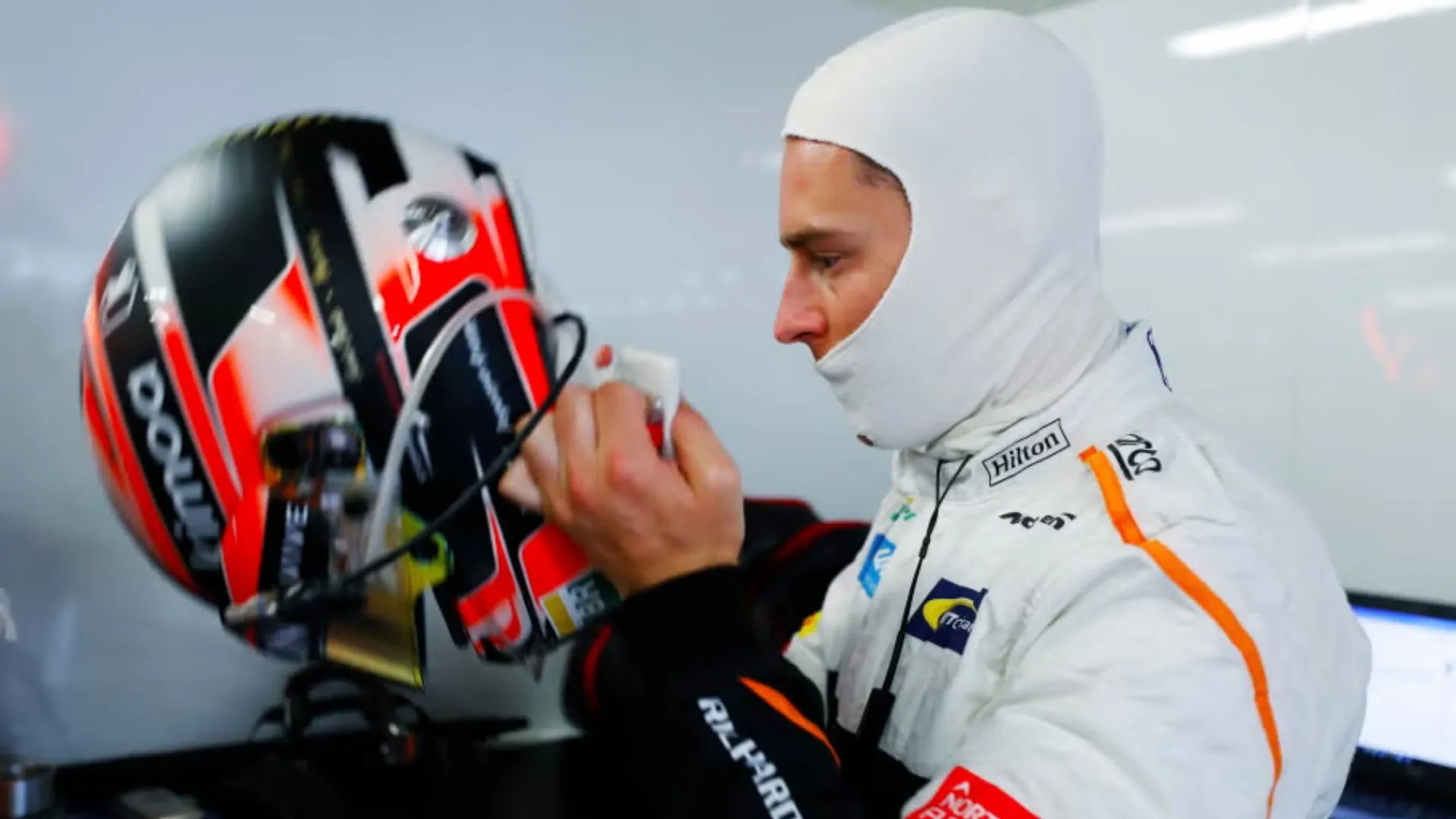
The to begin with work is to make the driver upbeat with the car. The driver is the as it were individual who can feel what the car is doing. When they come back to the carport, they conversation to their design on the radio. They might say, "The front of the car doesn't need to turn in," or "The back feels free when I thrust the gas." This input is immaculate gold for the group. The engineers at that point begin making little changes. They can alter the point of the wings to make more grasp. They can alter the suspension—the springs and stuns on the car—to make it smoother over bumps. A sure driver with a car that feels fair right will continuously be faster.
- Drivers depict the car's "adjust," saying if it feels anxious, apathetic, or fair right.
- Engineers make physical changes to the car's parts based on the driver's words.
The Big Science of F1 Tires
The tires might be the most vital portion of the hone arrange. The tire producer, Pirelli, brings three diverse sorts of elastic to each race. They can be Difficult (long-lasting but slower), Medium (a great blend), or Delicate (exceptionally quick but wears out rapidly). Groups must test all of them. They will send the driver out to do a "long run." This implies driving numerous laps in a push on one set of tires. The engineers observe how the lap times alter. Do they get slower rapidly? Do they remain steady? This tells them which tire to begin the race on and which tire to utilize afterward. Getting the tire arrange off-base can lose the race, so they hone it carefully.
- Long runs appear tire wear and offer assistance arrange the timing of pit stops.
- Teams discover out which tire compound works best for their car on this particular track.
Searching for the Perfect Fast Lap
Saturday has a extraordinary session called "qualifying." This is when drivers attempt to set the single quickest lap to choose who begins at the front. Hone is where they get prepared for this. To do a quick lap, the car needs a extraordinary setup. They put in as it were sufficient fuel for a few laps. They utilize the gentlest, stickiest tires. The driver and build too have to discover a clear spot on the track with no activity. In hone, they practice this. They figure out the best way to warm up the tires, how numerous laps to attempt, and what the car needs to feel like to be at its outright speediest for fair one lap.
- Cars run exceptionally light on fuel with the Delicate tires to discover their greatest speed.
- Drivers hone finding clear space on track to run their quick lap without any cars in the way.
Practicing for Race Day Problems
A race is not fair around speed. Numerous things can happen, and groups hone for them. The pit halt is a enormous one. The pit team will hone changing all four tires handfuls of times, pointing to do it in beneath two seconds. The driver hones entering the pit path at precisely the speed limit—not as well quick, not as well moderate. They too plan for climate. If the estimate says it might rain, they might test the car with a diverse setup or indeed attempt the uncommon wet-weather tires. Being prepared for anything makes a difference them remain calm when issues happen on Sunday.
- The pit team practices their quick tire changes over and over to construct muscle memory.
- Drivers hone pit sections and may test settings for rain or other changing conditions.
How Computers and Data Help the Team?
A advanced F1 car has more than 300 sensors. These are like small receivers that tune in to the car. They send data back to the carport almost everything. How hot are the brakes? How much is the motor pushing? How much grasp does the car have? Amid hone, the engineers sit at screens secured in colorful lines and numbers. They observe this information live. They moreover send it back to their manufacturing plant, where hundreds more individuals see at it. They utilize all this to construct a computer picture of their car on this track. This picture makes a difference them figure what will happen in the race, making their last plans much smarter.
- Sensors grant live reports on each portion of the car's wellbeing and performance.
- This information builds a advanced show that predicts tire life, fuel utilize, and the best race strategy.
You May Also Like: How to Improve Lap Times in F1 Simulations
The Hidden Work in the Garage
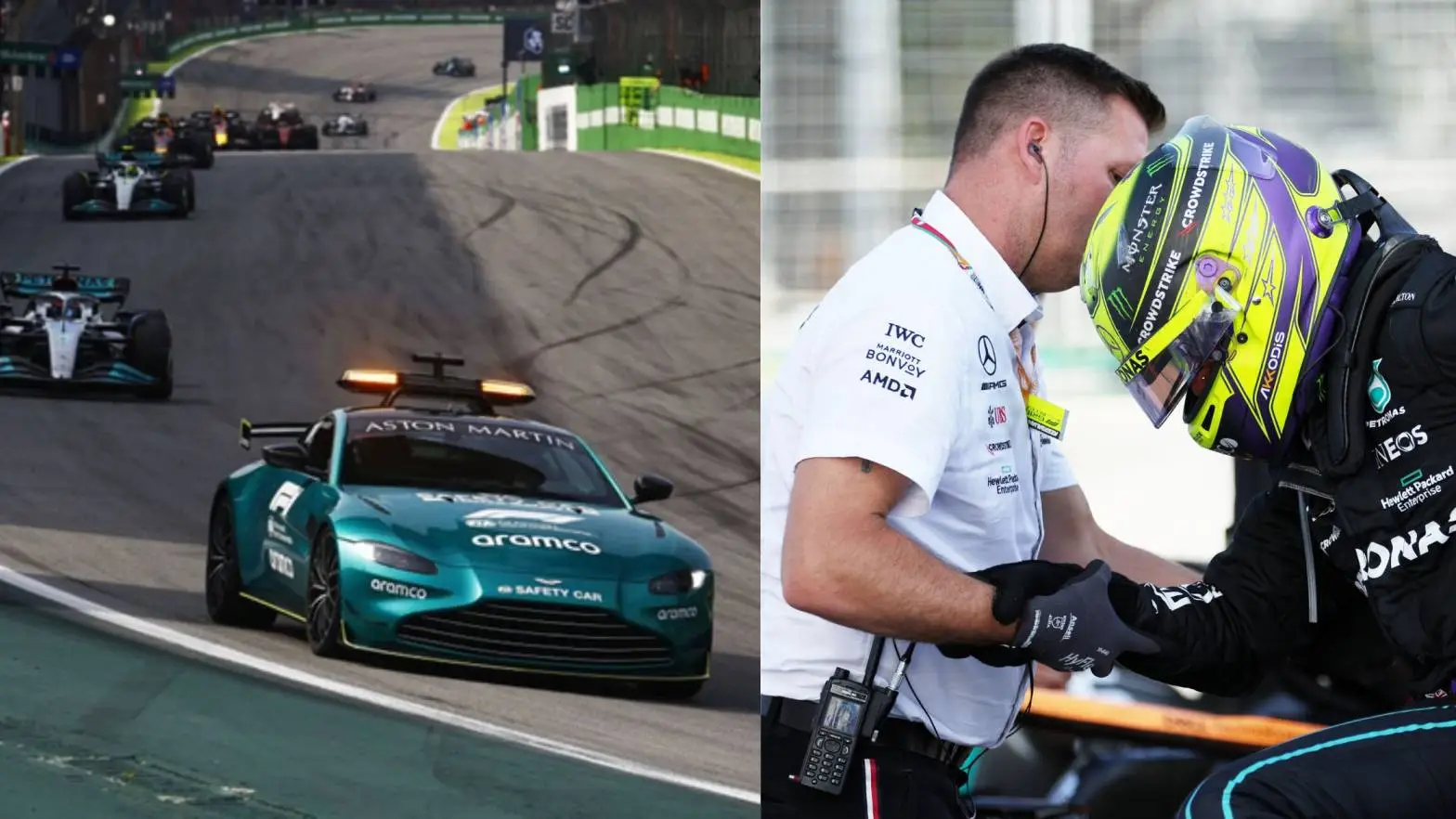
While the car is on track, the carport is a active put. When the car comes back, mechanics swarm over it. They check for any harm or wear. They might alter the setup—putting on a diverse raise wing or altering the suspension. Other engineers see at the information from the final run. They conversation to the driver around what they felt. The group foremost observes everything, making the enormous choices. It is a cycle: run the car, tune in to the driver, see at the information, alter the car, and run it once more. Each miniature is utilized to make the car a small bit better.
- Mechanics perform fast checks and changes between each run the car makes.
- Engineers and the driver have fast gatherings after each session to concur on the following what happens during practice sessions in f1.
Learning from Other Teams
Practice is moreover a time for spies! Well, lawful spying. Groups observe what their rivals are doing exceptionally closely. They tune in to the other drivers' radio messages. They see at the lap times. Is one car exceptionally quick on the straight? They might have a uncommon motor mode. Is another car astonishing in the moderate corners? They might have a intelligent suspension setup. Groups utilize this data to check their claim work. If everybody is going speedier in one corner, they know they require to discover more time there. It is a mammoth confuse where everybody can see a few of each other's pieces.
- Teams compare their lap times and race runs to their fundamental competitors.
- They watch equal cars to figure what setup choices or techniques others might be using.
How Practice Changes for Different Tracks?
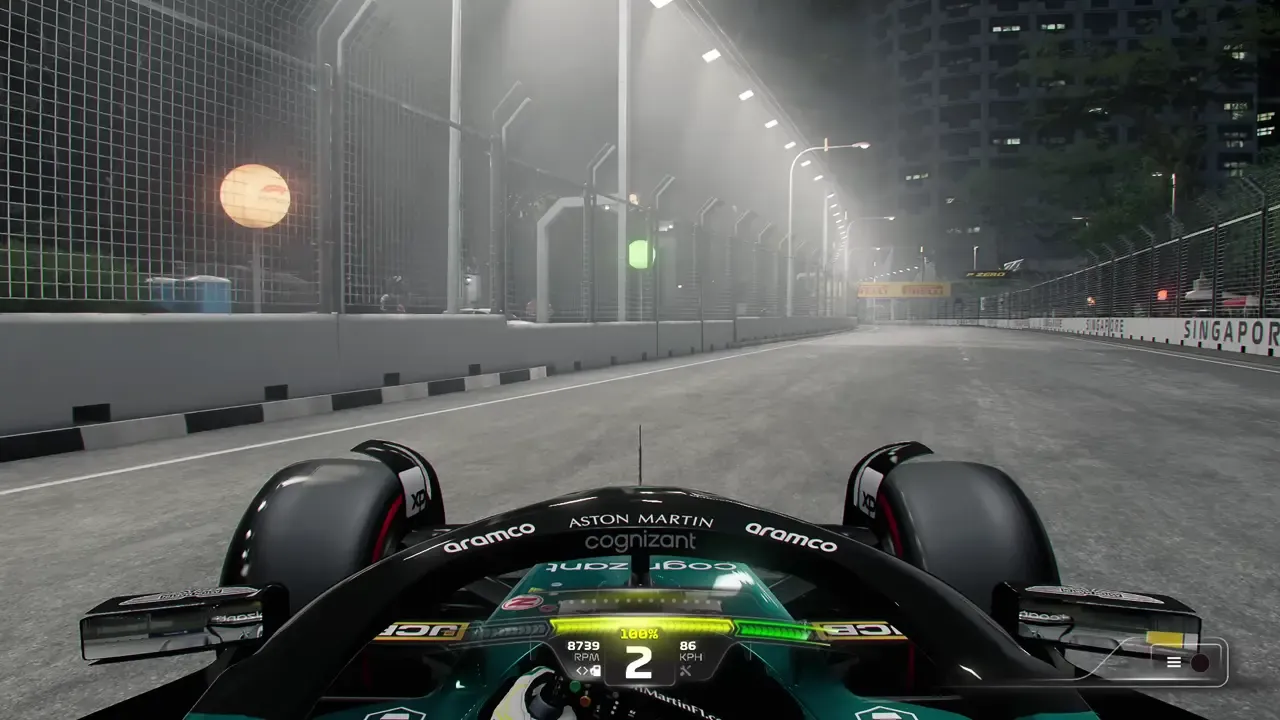
Not all hone sessions are the same. A road track like Monaco is exceptionally limit and bumpy. Hone there is all around letting the driver learn the unsafe dividers and finding beat. A enormous track like Spa in Belgium has long, quick corners. Hone there centers on getting the culminate streamlined setup for speed. If the track is unused to everybody, hone gets to be indeed more basic since no one has any ancient information to utilize. The team's objectives alter based on the track's identity, making each Friday a unused challenge.
- On road circuits, the center is on driver certainty and maintaining a strategic distance from the walls.
- On enormous, quick tracks, the work is on streamlined proficiency and best speed.
From Practice to the Race: Connecting the Dots
So, how does all this Friday and Saturday work offer assistance on Sunday? Everything interfaces. The tire information from hone tells them when to pit. The driver's criticism from hone gave them a car that feels extraordinary to drive for two hours. The pit halt hone implies their stops will be quick and smooth. The information from their long runs appears them how to oversee their pace. The hone for a single quick lap made a difference them get a great beginning position. When the lights go out on Sunday, the group is not speculating. They are utilizing a playbook they composed amid hone. All that "homework" lets them center on beating the other groups amid the race itself.
- Every piece of hone information is utilized to construct the last race methodology plan.
- A great hone end of the week builds certainty for the entire group, from the driver to the mechanics.
FAQs
What is the difference between Practice 1, Practice 2, and Practice 3?
Practice 1 (FP1) is frequently almost fundamental checks and letting the driver get a feel for the track. Hone 2 (FP2) is the most vital session. It is held at the same time as the race will be, so track conditions are comparable. Groups do their fundamental tire tests and race run hone here. Hone 3 (FP3) is a shorter last tune-up some time recently qualifying, frequently utilized to culminate the car for one quick lap.
Do F1 teams use special parts just for practice?
Yes. To spare their best, most up to date parts for qualifying and the race, groups will regularly utilize more seasoned parts in hone. They might utilize an motor that has more miles on it. They might test diverse forms of a front wing to see which works best. The car is the same chassis, but numerous parts are swapped out to spare the freshest ones for when it counts.
Why do some teams have a different driver in first practice?
The rules say groups must grant a hone session to a "rookie" driver—someone with exceptionally small F1 experience—at slightest twice a year. This makes a difference prepare modern drivers. It moreover gives the group a new supposition on the car from a distinctive individual. The primary driver gets back in the car for the rest of the weekend.
Can teams fix a crashed car between practice sessions?
They will attempt their outright hardest. The mechanics are astonishing at modifying cars. If a driver crashes in the morning session, the group will work continuous to repair the car for the following session. They have save parts for nearly everything. But if the crash is exceptionally huge, it can make the rest of the end of the week exceptionally troublesome for the team.
To wrap things up, an F1 hone session is a active, nitty gritty, and energizing operation. It is where the race is gradually put together, piece by piece. It blends the driver's feel, the engineer's numbers, and the mechanic's difficult work. All that exertion on Friday and Saturday is what makes those mysterious minutes on Sunday. The travel to the beat step of the platform begins the minute the to begin with hone session starts.