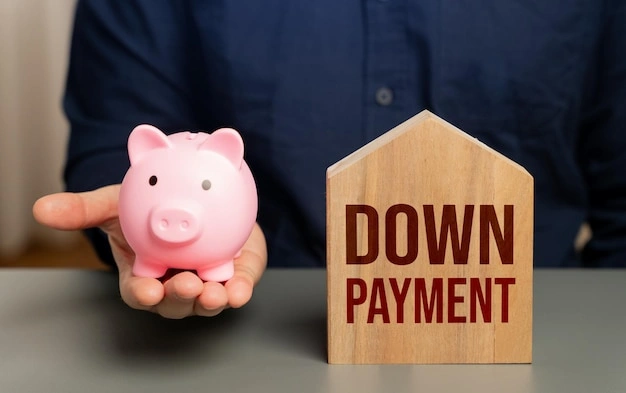
How To Invest In Commercial Property For Beginners? Picture this: A few years back, I stared at my savings and thought, "Why not swap stock market stress for steady rent checks?" That's how I stumbled into commercial property. It's buildings for businesses—shops, offices, warehouses—not cozy homes. Beginners love it for reliable income from long-term leases. This guide pulls back the curtain with steps I've walked myself. No fluff, just what worked for me and pitfalls I dodged. Grab coffee; let's build your path to commercial real estate investing.
Why Dive into Commercial Real Estate Now?

I remember scouting my first deal—a quiet strip with a bakery buzzing. Commercial property shines because businesses pay top dollar for space. Rents often hit $20-40 per square foot yearly, way above residential. Leases lock in 5-10 years, shielding you from constant turnovers. In growing spots, values climb 4% annually, stacking wealth quietly. It's not gambling; it's numbers. Empty spots hurt less with reserves. I started small, learned fast. Today, my portfolio spits cash while I sleep. For beginners, it's a ladder up—start with one unit, scale to portfolios. Markets shift, but demand for logistics hubs booms. Jump in educated; rewards wait.
Commercial Versus Residential: Spot the Real Differences
Residential felt familiar at first—like renting to neighbors. But commercial? Pure business. Homes rent monthly, tenants flake easy. Offices or stores sign multi-year deals, paying bills on time to keep operations smooth. Returns? Residential limps at 5%; commercial pushes 8-12% with smart picks. Financing flips the script too. No easy home loans here—expect 25% down, shorter terms. Cap rates guide value: Divide income by price for yield snapshot. My residential flip had drama; commercial tenant stayed a decade. Location rules: Traffic for retail, highways for warehouses.
Risks differ—recessions empty malls faster. Yet, diversification wins. I learned: Commercial builds empires if you crunch comps right.
Read Also: Top Government Housing Schemes in India 2026
Your Step-by-Step Roadmap to First Purchase
Step one hit me hard: Define why. Income? Growth? I aimed for $2,000 monthly net. Saved 25% down on a $300,000 target. Got pre-approved—credit over 700 opened doors. Hunted via brokers, eyeing 90% occupied spots. Analyzed next: NOI calculations, inspections. Offered low, negotiated up. Closed with lawyer review. My bakery unit took 90 days; first check thrilled. Track in apps—expenses, rents. Beginners trip on rushing; I waited out bad listings. Patience pays. Build team early: Accountant spots tax wins. Now, repeat for property two. This roadmap turned newbie nerves into confidence.
Master Deal Analysis Without the Headache
Analysis saved my hide once—a "bargain" warehouse hid $30,000 roof woes. Start with NOI: Gross rents minus operating costs. $120,000 gross, $25,000 expenses? $95,000 NOI. Cap at 7% values it at $1.36 million. Compare to recent sales nearby. Factor vacancies—budget 7%. Check leases for bumps, tenant credit. Walk the site: Parking enough? Zoning solid? Spreadsheets forecast cash flow, debt coverage over 1.3. I skipped "hot tips," stuck to math. Pros use pros for appraisals. Practice on fake deals online. This skill spots gems, dodges duds every time.
Financing Hacks for Cash-Strapped Beginners
- Banks laughed at my early asks—too green. Switched to SBA loans: 10-20% down, 25-year terms. Rates hovered 5%. Seller financing worked wonders—my first deal had 15% down, owner-held note.
- Little money? REITs or syndications: $20,000 buys portfolio slices, pros manage. Hard money for flips, despite 10% rates. Built credit with personal loans first.
- Refinanced later, pulled $50,000 equity tax-free. Shop lenders; terms vary wildly. One hack: Partner up, split costs. These opened doors when banks slammed.
Low-Money Entry Strategies That Actually Work
No fat wallet? I pooled $15,000 into a syndication—shared a plaza, got 9% returns. REITs were my gateway: Traded shares in office towers, dividends hit monthly.
- Lease options: Control without owning, buy later if rents soar.
- Joint ventures: I brought cash, buddy scouted—50/50 split on a warehouse.
Value-add flips: Snagged a tired shop, freshened for 25% rent jump. Crowdfund platforms slice big deals small. Scale: Profits fund solos. These bypassed "rich only" myths. My syndication taught ops firsthand.
Navigate Risks and Maximize Rewards Smartly
- Rewards lured me: My strip nets $3,500 monthly post-expenses. Depreciation slashed taxes. Appreciation doubled value in five years. Long leases mean sleep-easy income.
- Risks? Downturns spike vacancies—I buffered six months' costs. Overdebt killed a peer's deal. Tenant bankruptcies? Screen credit ruthlessly.
- Mitigate: Insure heavy, diversify types. Location audits yearly. Reserves cover storms.
- Rewards outweigh if cautious. My portfolio weathered dips, emerged stronger. Balance bold moves with buffers.
You May Also Like: Scalable Enterprise Software For Growing Companies
Essential Tips from My Commercial Investing Wins

Network changed everything—meetups landed off-market steals. Negotiate: I shaved 12% off asking via comps. Team up: Broker, inspector, CPA.
- Checklist: Environmental scan, traffic study, pro forma review.
- Always: 1031 for tax-free upgrades.
Focus cash flow, not flips. Inspect personally. Podcasts fueled my edge.
One tip: Journal deals—what clicked, what bombed. My first "loss" taught volumes. Apply daily; portfolios grow.
Grow from One Deal to a Thriving Portfolio
- First win fueled the fire. Reinvested rents for deal two. 1031 exchanged into larger retail. Diversified: Added industrial amid e-commerce boom.
- Metrics rule: 95% occupancy target, 5% NOI growth. Refi equity snowballs buys.
- Mentored newbies, syndicating my finds. Ten years: Seven properties, $15,000 monthly.
- Start small, compound relentlessly. Track progress quarterly. Yours builds same way.
You May Also Like: Is Real Estate A Good Investment During Stagflation
FAQs
What exactly counts as commercial property?
Commercial property includes spaces for businesses like office buildings, retail shops, warehouses, or restaurants. It's not homes—focus is on income from business tenants with longer leases.
How do I find my first commercial property deal?
Drive busy areas, check online listings, or connect with local brokers. Attend investor meetups for off-market tips. Start with small retail or offices under $500,000.
What financing options work best for beginners?
SBA loans with 20% down, seller financing, or syndications for low entry ($25K+). Build credit first; shop 3 lenders for best rates.
How can I start investing with little money?
Try REITs for stock-like shares or crowdfunding platforms pooling funds. Joint ventures split costs with partners—great for $10K-50K starts.
What risks should I watch out for?
Vacancies in slowdowns, rising interest rates, or bad tenants. Buffer 6 months' expenses and screen leases carefully.