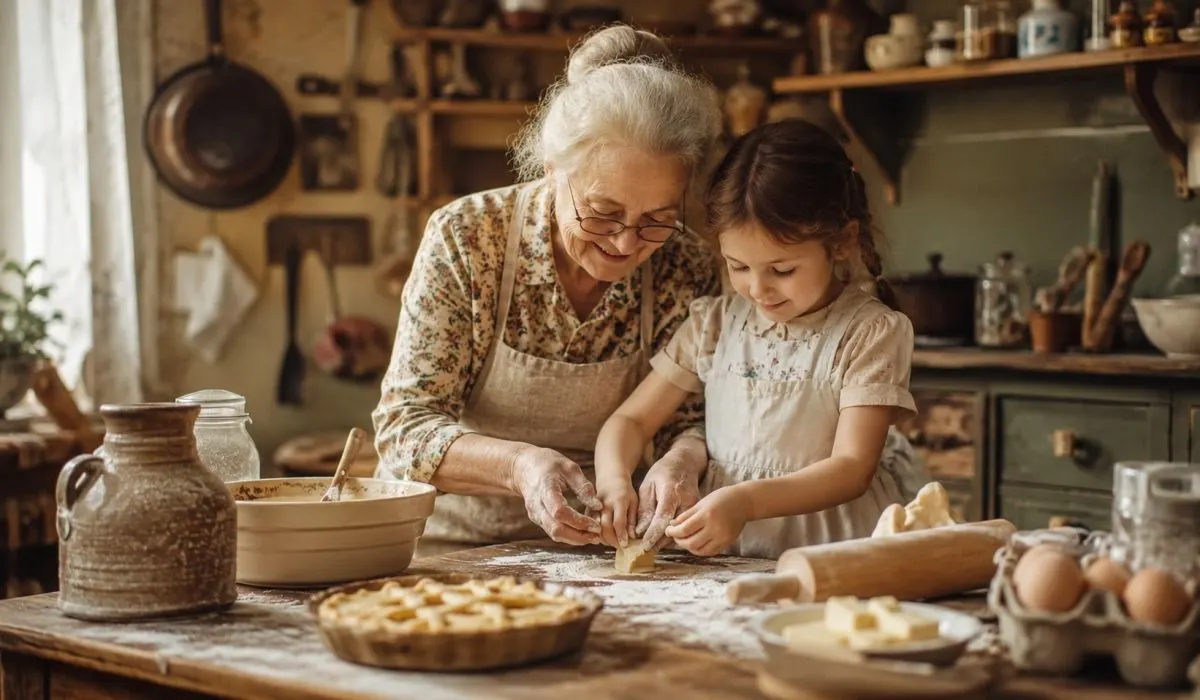
Why Grandma Was Right becomes clear the moment these timeless kitchen tips are put into practice. This is a long way before the modern day gadgets and ready-made meals, but grandmothers made the mouth-watering food with simple ingredients, clever techniques and using hardly any waste.
The traditional recipes for preparing flaky pastry with lard or for making delicious vegetable stock from the scraps are still in use and work well. From boosting your wallet to minimizing food waste or just making daily dinners a little bit better, here are some timeless kitchen hacks that still work in the modern kitchen.
Why Grandma's Cooking Tips Still Work Today?
Grandma's cooking tips still work today because they focus on simple ingredients, smart techniques, and making the most of every item in the kitchen. These timeless methods help save money, reduce food waste, and create delicious homemade meals with ease.
Grandma does know best
We all need to dig into grandma's recipe book sometimes. When a whole generation looks back at a life without the convenience of technology and lives through multiple cost of living rises and rationing periods, clever cooking hacks will help save cash and cut down food waste from feeding an army with minimal ingredients to baking incredible loaves of bread and cake. Here, we ranked the timeless kitchen tips and clever tricks that show grandma was usually on the right track.
Read More: Easy Tips to Transform Your Lunch on a Budget
Use lard for perfect pastry
Lard: Oldie but Goldie Grandmas have it right: Fat is one of the most essential secrets to great food. One retro delight that has really fallen out of favour is lard – a white, semi-solid animal fat that is made from the fatty tissues of a pig. Once common in kitchens, it has fallen by the wayside in favour of vegetable fats. But this is a terrible loss as lard gives incredible texture – perfect pastry with a delicious crispiness and flaky finish. Try making your pastry with half butter and half lard – your taste buds will thank you!
Make soda bread if you need something speedy
Looking for some bread that comes together in minutes? Give Irish Soda bread a try. It’s a recipe that grandmas everywhere have passed down and is a great easy baking project. Best of all, it uses no yeast. Just flour, buttermilk, and baking soda. Ideally you will want to eat it while fresh on the day you make it but it will also be quite good as toast on days after too. And, you’ll need some proper butter for spreading it on.
Use a wooden spoon
Grandma always stirred her cooking with a wooden spoon for plenty of good reasons. Not only do wooden spoons act gentler on your cookware than metal utensils, but they also suit a wide range of tasks, from stirring and scraping to serving. Wooden spoons also don’t react with acidic foods like metal ones can – plus, they remain extremely durable and can last for many years with proper care.
Roast potatoes in hot fat
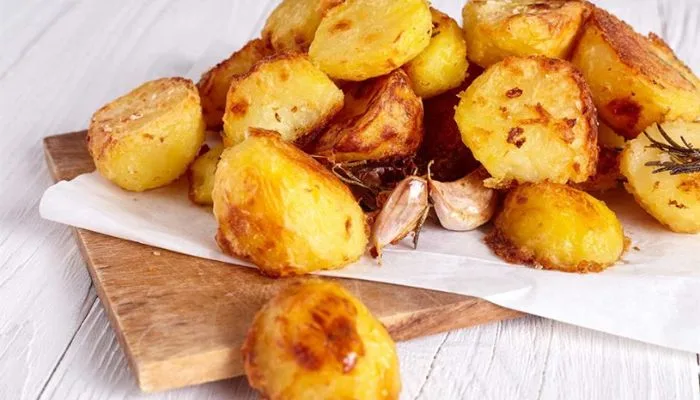
Grandma’s tip for making crispy, fluffy roast potatoes is to heat a dish containing fat in the oven first, then let it get incredibly hot before putting the potatoes in. Goose or duck fat works well, as it gives the spuds a more luxurious flavour and crisper finish than oil. Simply drop the parboiled potatoes in the sizzle means it's working.
Use leftover pastry for cheese straws
There is nobody better at dealing with leftovers than our grandmas. Did you make a pie recently and end up with some pastry off-cuts? Don’t toss those pastry scraps out. Just clump those leftover pieces together, roll them out into a flat sheet, cover them with some cheese, roll them out again to create a nicer texture, and cut the flattened dough into strips.
Bake those strips until they turn golden, and then serve your delightful cheesy straws alongside a warm bowl of soup or enjoy them on their own. Or perhaps you could take your leftover scraps and transform them into a few charming little jam tarts or a delicious small savoury turnover.
Keep your vegetable scraps
Grandmas mastered economizing and used every bit of everything they could, including the skins of veggies. Put everything in a pot of water and boil with whatever aromatics you have and voila - the most incredible vegetable stock you’re ever gonna have. No masses of veggie bits? No problem - freeze until you can make up a batch!
Don't cook fresh herbs
When you bung them into a boiling pot, your fresh herbs won’t carry their fine aromatic taste. You have to wait till the recipe is done, and then throw the herbs on top of the dish. Exception to this rule is your bouquet garni, which is a tie of bay leaf, parsley (stalk and all), and thyme that you should add during the cooking and throw away at the end.
Use cheese ends in mac ’n’ cheese
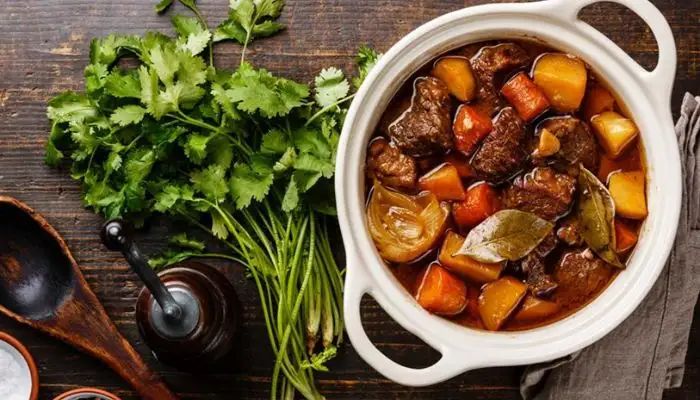
Grandma never discards anything, and this surely extends to orphaned pieces of cheese! One option is to mix them all into your mac 'n' cheese for flavour and to prevent waste. Cheese rinds also infuse well into your cheese sauces, risottos and stews.
You May Also Read: Foods and Drinks You Should Avoid for a Good Night's Sleep
Cook your pasta in stock
Who else remembers someone handing them a cozy bowl of broth with little star-shaped pastina anytime they were feeling under the weather? An Italian comfort-food classic, this easy pasta truly feels like a big ol' hug in a bowl. Just simmer the pastina (or another small pasta of your choosing – little is best) in homemade stock and butter until it reaches al dente, then stir in a handful of grated Parmesan and dig in!
FAQs
1. Why was grandma's cooking so delicious?
Grandma's cooking was based on fresh produce, old school methods, slow cooking and utilizing all ingredients, that made great tasting and satisfying meals.
2. Why are many recipes for preparing food suggesting the use of wooden spoons?
Wooden spoons are safe to use on cookware, won't react with acidic foods and will last for many years when used with care.
3. Can vegetable scraps really be used for stock?
Yes. Onion skins, carrot peels, celery ends, and herb stems can be simmered together to create a flavourful homemade vegetable stock.
4. Why is it important to add fresh herbs towards the end of cooking?
The freshness of herbs can be retained when used near the end of the cooking time, but can be lost during extended cooking times.
5. What is the greatest advice grandma shared when she told you how to cook?
The most important lesson is to minimise waste, make good use of simple ingredients and ensure that cooking techniques are used to enhance flavours and save time and money.