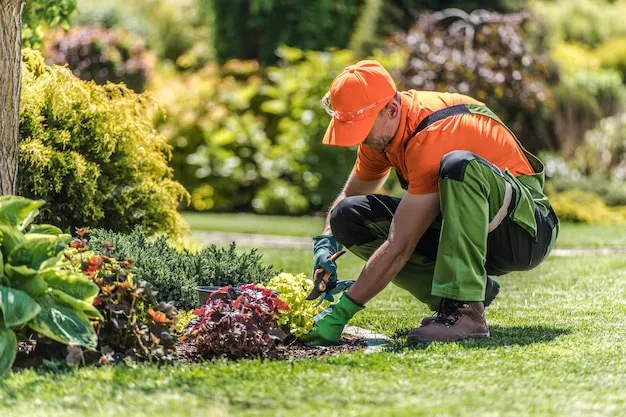
Have you ever wondered if you could have a superpower? What if you could help butterflies find food, make the soil healthier, and even fight climate change, all from your own backyard or balcony? You can! It’s called sustainable gardening.
This isn't about having a perfect garden. It’s about making smart, earth-friendly choices that help nature thrive. It’s like being a superhero for your local environment. The best part? It’s easy to start, saves you money, and is a ton of fun. Let’s explore the amazing sustainable gardening secrets that let you grow a beautiful space while taking care of our planet.
Secret #1: Your Garden’s Superpower Starts in the Soil
Think of soil as more than just dirt. Healthy soil is a living, breathing world full of tiny creatures like worms and microbes. These little helpers are the true magic behind a strong garden.
- Feed the Soil with Compost: Instead of throwing away fruit peels, veggie scraps, and fallen leaves, you can turn them into "garden gold" called compost. Adding compost to your soil feeds all those helpful tiny creatures, which then feed your plants. It’s nature’s perfect recycling system.
- Tuck Your Soil in with Mulch: Placing a cozy blanket of mulch (like shredded leaves or wood chips) on top of your soil is a triple-win. It keeps moisture in so you water less, stops weeds from growing, and keeps the soil temperature just right for plant roots.
- Skip the Harmful Chemicals: Synthetic fertilizers and pesticides can hurt the good insects and soil life. By nurturing soil health naturally, you create a balanced garden ecosystem where plants can grow strong on their own.
Secret #2: Be a Water Wizard
Water is precious. Using it wisely is a key part of earth-friendly gardening practices. You can save water without your plants ever getting thirsty!
- Water the Roots, Not the Leaves: Use a soaker hose or drip irrigation to deliver water right to the plant's roots. This wastes much less water than sprinklers that spray water into the air.
- Collect Rainwater: Set up a rain barrel to catch water from your roof. Plants love rainwater, and it’s free!
- Pick Thirsty Friends: Choose drought-tolerant native plants that are used to your local weather. Once they’re settled in, they’ll need very little extra water. Grouping plants with similar water needs together also makes watering super efficient.
Secret #3: Choose Plants That are Local Heroes
The plants you choose make a huge difference. The best choice you can make is to plant natives.
- Why Native Plants are Amazing: Native plants are the ones that have grown in your area for thousands of years. Because they belong here, they need less water, no fertilizer, and they rarely get sick. They are the cornerstone of a low-maintenance native plant garden.
- They’re a Wildlife Dinner Party: Native plants provide the perfect food and shelter for local birds, butterflies, bees, and other beneficial insects. For example, planting milkweed is the only way to help monarch butterfly caterpillars. By planting for biodiversity, you turn your garden into a bustling habitat.
- Avoid Invasive Species: Some pretty plants can actually cause harm by spreading quickly and pushing out the native plants that wildlife needs. It’s important to avoid planting them.
Secret #4: Welcome Garden Helpers (Even the Buggy Ones!)
In a sustainable garden, not every insect is a pest. Many are your friends!
- Invite the Good Bugs: Ladybugs, lacewings, and certain wasps eat pests like aphids. You can attract these beneficial insects by planting lots of different flowers.
- Try Companion Planting: This is like putting best friends next to each other. Some plants help each other out. For example, planting marigolds or nasturtiums near your veggies can help keep bugs away.
- Be a Little Messy: Leaving some fallen leaves and old plant stems over winter gives butterflies, bees, and other creatures a safe place to sleep until spring. It’s one of the simplest wildlife habitat creation tips.
Secret #5: Reduce, Reuse, and Recycle in the Garden
Being sustainable means thinking about everything you bring into your garden.
- Make Less Lawn: Big lawns need lots of mowing, watering, and chemicals. Try making your lawn smaller and adding a garden bed, a wildflower meadow, or a patio made with permeable materials instead.
- Use People-Power: Gas-powered mowers and blowers create pollution. If you can, use a push mower, electric tools, or good old-fashioned hand tools like rakes and brooms. It’s great exercise, too!
- Reuse and Recycle: Give plastic pots a second life, or buy pots made from recycled materials. Choose sustainable wood for garden projects, and always try to reuse what you already have.
Sustainable Gardening Secrets for Every Space
You don’t need a big yard to make a difference!
- Container Gardening: You can grow herbs, veggies, and even small native plants in pots on a balcony or windowsill.
- Vertical Gardening: Use hanging baskets or trellises to grow plants upward, saving lots of space.
- Community Gardens: Share a garden plot with neighbors. It’s a great way to learn, grow food, and make friends.
A Final Word from a Garden Expert
“When you plant a native plant, you are not just planting a flower. You are building a little piece of the ecosystem that supports the birds, the butterflies, and all the life in your neighborhood.” — This idea, inspired by experts like entomologist Doug Tallamy, reminds us that every single plant we choose matters.
Starting your sustainable garden adventure is a journey. You don’t have to do everything at once. Pick one secret to try this weekend—maybe build a small compost bin or plant one native wildflower. Watch what happens, learn, and have fun with it. You are not just growing plants; you are growing a healthier, happier world, one seed at a time.
Your Questions Answered: Kid-Friendly FAQ
Q: I only have a sunny windowsill. Can I still help?
A: Absolutely! You can be a windowsill superhero. Grow herbs like basil in a pot, or start a little salad garden with lettuce. Every plant helps clean the air and gives you a tasty snack.
Q: Bugs ate my plant! What should I do?
A: First, don’t panic! A few holes in leaves are okay. Look closely—is it a “bad” bug or a “good” bug just visiting? Try spraying the plant gently with water to knock pests off. Remember, a healthy garden has all kinds of insects.
Q: What's the easiest plant for me to start with?
A: Great starters are sunflowers, green beans, lettuce, or native wildflowers from your area. They grow quickly, which makes it really exciting to watch!
Q: How does my garden fight climate change?
A: Plants are amazing! They suck carbon dioxide (a greenhouse gas) out of the air and store it. Healthy soil full of compost also stores carbon. Plus, when you grow your own food, it doesn’t have to be driven in a truck from far away, which saves fuel.