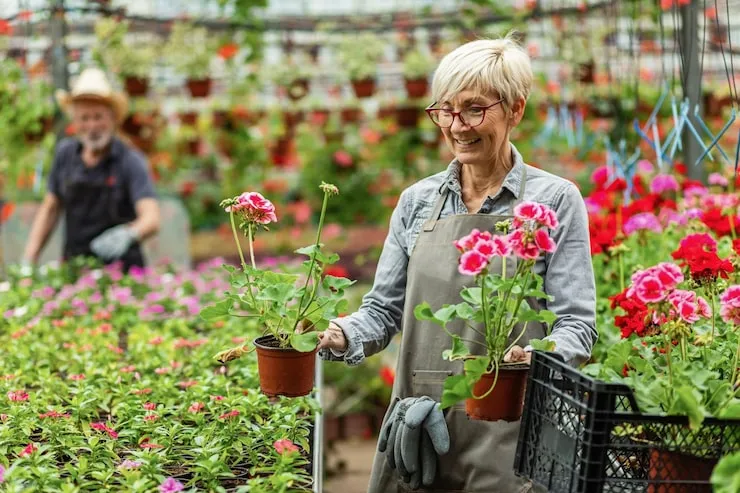
Imagine a place filled with vibrant colors, the sweet smell of flowers, and the cheerful sound of birds. This isn’t a faraway vacation spot. This can be a senior living community, right outside the door. A simple garden has incredible power. It can turn everyday spaces into places of wonder, activity, and peace.
This guide shares the wonderful gardening secrets for seniors that can help create a blooming oasis for the elderly. It’s not about hard work or a green thumb. It’s about smart, easy, and joyful ideas.
Transform Senior Living into Paradise with Gardening Secrets
The idea is simple: connect with nature to grow happiness. Gardening is a fantastic therapeutic activity for older adults. It helps the body and the mind. The goal is to build a low-maintenance garden paradise that everyone can enjoy.
Here’s how a garden helps:
- It encourages gentle movement. Reaching, planting, and watering is great light exercise for seniors.
- It brings a sense of purpose. Watching a seed become a plant is magical.
- It creates social spaces. Gardens are perfect for talking with friends and family.
- It soothes the mind. Being around plants is naturally calming.
You may also read :- Transform your yard with these sustainable gardening secrets
Unlocking the Joy: Easy Gardening for Every Ability
A great senior-friendly garden is easy to use. It removes the things that make gardening hard. The focus is on fun, not frustration.
Create Accessible and Raised Garden Beds
Bending down can be tough. That’s where raised bed gardening for seniors saves the day. These are garden boxes that sit higher off the ground. You can build them to be just the right height. Someone can even garden comfortably from a seated position. This is a key part of adaptive gardening tools and techniques.
Choose the Perfect, Easy-Care Plants
The best plants are tough and don’t need a lot of fuss. They are the best plants for senior gardens.
- For Beauty: Try marigolds, zinnias, or sunflowers. They grow easily from seeds and bloom all summer.
- For Snacking: Cherry tomatoes, lettuce, and herbs like mint and basil are perfect. They grow quickly and taste great!
- For Sensory Fun: Plants like lavender (smell), lamb’s ear (touch), and ornamental grasses (sound) engage the senses.
Essential Tools for Comfortable Gardening
The right tools make all the difference. Ergonomic gardening tools are designed to protect joints and make tasks easier.
Look for:
- Lightweight tools with easy-grip handles.
- Long-handled tools to avoid bending.
- Kneeling benches with handles to help with sitting and standing.
- Vertical planters or wall gardens that bring the garden up to eye level.
As horticultural therapist, James R. Lewis, often notes: “Adapting the garden to the gardener, not the other way around, is the true secret to lifelong enjoyment. A simple tool modification can re-open a world of wonder.”
Crafting a Sensory Garden for Delight
A garden is more than something to see. It’s a full-body experience! A sensory garden for the elderly is designed to be enjoyed through all five senses.
- Sight: Use bright colors like yellows and reds, which are often easier to see.
- Smell: Plant fragrant herbs like rosemary, thyme, and sage.
- Touch: Include plants with interesting textures, like fuzzy sage or smooth succulents.
- Taste: Grow strawberries, snap peas, or sweet cherry tomatoes.
- Sound: Add a small bird feeder, a water feature, or plants like bamboo that rustle in the wind.
Building Community Through Shared Plots
A garden is a natural gathering place. Community gardening in assisted living turns a hobby into a social event. A shared garden plot gives everyone a common goal. Residents can share tips, trade seeds, and celebrate harvests together. This builds friendship and fights loneliness. It’s a powerful way to foster social connection in senior communities.
Safety First in the Garden Paradise
A safe garden is a happy garden. Good gardening safety tips for older adults ensure everyone can enjoy without worry.
- Stay Hydrated: Always have water handy and garden in the cooler mornings or evenings.
- Use Sun Protection: Wear a hat, sunglasses, and sunscreen.
- Clear Pathways: Make sure all walkways are wide, flat, and free of tripping hazards.
- Secure Rails: Have sturdy railings near garden beds for extra support.
The Healing Power of Horticultural Therapy
Gardening’s benefits are so strong that it has a special name: horticultural therapy activities. This is simply using plant-based activities to improve well-being. The act of nurturing a plant can reduce stress, improve mood, and sharpen focus. It’s a proven way to improve mental health through gardening.
Year-Round Enjoyment with Indoor Gardens
The fun doesn’t have to stop when it gets cold! Indoor gardening ideas for seniors bring the paradise inside.
- Grow an herb garden on a sunny windowsill.
- Plant colorful, easy-care African violets.
- Start a succulent dish garden. These plants need very little water.
- Force spring bulbs like paperwhites in a pot for winter flowers.
Simple Projects for Instant Joy
Not every gardening project needs to be big. Here are simple gardening projects for the elderly that give quick rewards:
- Paint and plant in small pots to give as gifts.
- Create a butterfly garden with nectar-rich flowers.
- Build a simple birdbath and watch the visitors come.
- Grow microgreens on a kitchen towel—they’re ready to eat in just a week!
Transform Senior Living into Paradise with Gardening Secrets: A Success Story
Consider the story of a community that started with just one accessible raised bed. One resident, who rarely left her room, decided to plant some basil. Soon, others joined. They added tomatoes, then flowers. That single bed grew into a vibrant courtyard garden. It became the heart of the community. Residents had a new reason to go outside, talk, and share. This real-life example shows the benefits of therapeutic gardens in care homes.
Getting Started on Your Paradise
Beginning is the easiest part. Start small. One pot with a bright flower. One herb on a windowsill. The most important gardening secret is to begin. Find what brings a smile. Is it the taste of a homegrown strawberry? The smell of lavender? The color of a sunflower?
Connect with local nurseries or master gardener groups. They are often thrilled to help and share plants or advice. The journey of a thousand miles begins with a single seed.
FAQs: Your Gardening Questions Answered
Q: What if I have very limited space or mobility?
A: Absolutely! Container gardening for seniors with limited mobility is the perfect answer. You can use pots, hanging baskets, or window boxes. Table-top gardens allow you to garden while seated comfortably.
Q: I’ve never gardened before. Is it too late to learn?
A: It is never too late! Gardening is a journey of discovery. Start with one of the easy-care plants mentioned above, like a marigold or a mint plant. They are very forgiving and will help you learn as you grow.
Q: How can a community garden benefit those with memory care needs?
A: Gardens provide sensory stimulation which can be very calming and grounding. Familiar activities like watering plants or smelling herbs can spark positive memories and encourage communication in a peaceful setting.
Q: What is the #1 most important tip for senior gardening?
A: Focus on enjoyment, not perfection. Choose plants that make you happy. Use tools that feel comfortable. Take breaks. The goal is to create a personal paradise that brings you peace and joy, one small bloom at a time.