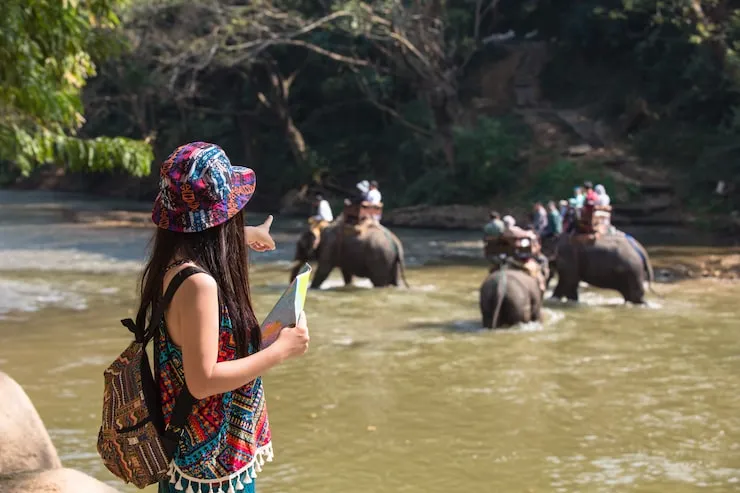
Imagine walking through a forest and seeing a tiger quietly moving through the grass, elephants splashing in a river, or colorful birds flying overhead. India is one of the most amazing places in the world for wildlife tours. From majestic tigers to rare birds, India has forests, national parks, and wildlife sanctuaries filled with incredible animals and plants.
But if you want to see animals in their natural habitat, choosing the right time to visit is very important. Wildlife behaves differently in summer, winter, and the rainy season. Visiting at the best time can make your trip magical, safe, and full of exciting sightings. This article will explain the best time for wildlife tours in India, why seasons matter, and what you can see during different months. We’ll also guide you on how to enjoy wildlife safely while respecting nature.
Why Timing Matters for Wildlife Tours
Animals in the wild have daily and seasonal routines. They eat, sleep, migrate, and hide based on weather, temperature, and food availability. If you visit at the wrong time, you may miss seeing many animals.
Here’s why timing matters:
- Animal Activity – Some animals are more active during certain seasons.
- Weather Conditions – Heavy rain or extreme heat can make it difficult to explore parks.
- Vegetation – During the rainy season, forests are dense, making animals harder to spot.
- Tourist Comfort – Pleasant weather makes your tour more enjoyable and safe.
Understanding the seasons and animal behavior helps you plan wildlife tours that are fun, educational, and memorable.
Seasons in India and Wildlife Tours
India has three main seasons:
- Winter (October to March) – Cool, dry, and ideal for sightseeing.
- Summer (April to June) – Hot and dry; animals may gather near water sources.
- Monsoon (July to September) – Rainy season; forests are lush, but wildlife sightings are tricky.
Each season offers unique experiences, but winter and early summer are generally the best for wildlife tours in India.
Best Time: Winter (October to March)
Winter is the most comfortable and popular time for wildlife tours. Temperatures are moderate, forests are accessible, and animals are easier to spot.
Why Winter Is Ideal:
- Animals come out of hiding to find water and food.
- Rivers and waterholes attract wildlife, increasing sightings.
- Comfortable weather for long safaris and outdoor activities.
Wildlife Tours During Winter:
- Jim Corbett National Park (Uttarakhand) – Famous for Bengal tigers. Winter is perfect for tiger spotting.
- Ranthambore National Park (Rajasthan) – Tigers, leopards, and marsh crocodiles are active.
- Kaziranga National Park (Assam) – Home to one-horned rhinos and migratory birds.
- Bandhavgarh National Park (Madhya Pradesh) – Known for high tiger density and wildlife photography opportunities.
Winter is also great for birdwatching. Many migratory birds come to India from Siberia and Europe, making it a paradise for bird lovers.
Early Summer (April to June)
Summer is hot, but it can still be a good time for wildlife tours if planned carefully.
Why Early Summer Can Be Good:
- Many animals gather around lakes, rivers, and ponds.
- Water scarcity makes wildlife easier to spot.
- Sunrises and sunsets are beautiful for photography.
Summer Wildlife Hotspots:
- Sundarbans National Park (West Bengal) – Explore mangroves and the elusive Royal Bengal tiger.
- Gir National Park (Gujarat) – Home of the Asiatic lions. Early summer helps spot lions near waterholes.
- Periyar Wildlife Sanctuary (Kerala) – Elephants and Nilgiri langurs are visible near Periyar Lake.
Note: Temperatures can be high in northern India, so safaris are recommended early in the morning or late in the evening.
Monsoon Season (July to September)
Monsoon season is the rainy season in India. Forests are lush and green, rivers are full, but wildlife tours can be challenging.
Monsoon Pros:
- Forests are vibrant, and scenery is stunning.
- Rivers and waterfalls are at their best.
- Some birds and reptiles are more active during rains.
Monsoon Cons:
- Safari trails may be muddy or closed due to heavy rain.
- Animals hide in dense vegetation, making sightings difficult.
- Travel can be disrupted due to waterlogging or floods.
Monsoon Destinations:
- Periyar Wildlife Sanctuary (Kerala) – Scenic boat rides and elephants are still visible.
- Chinnar Wildlife Sanctuary (Kerala) – Less crowded and unique flora and fauna.
- Silent Valley National Park (Kerala) – Lush forests and rare animals like the Lion-tailed macaque.
Monsoon is ideal for nature lovers and photographers but not always the best for spotting large animals like tigers.
Top Wildlife Destinations and Their Best Months
1. Jim Corbett National Park (Uttarakhand)
- Best Time: November to June
- Highlights: Bengal tigers, leopards, elephants, deer, and crocodiles.
- Why Visit: Tigers are more visible near waterholes in winter and early summer.
2. Ranthambore National Park (Rajasthan)
- Best Time: October to June
- Highlights: Tigers, leopards, marsh crocodiles, and peacocks.
- Why Visit: Early morning safaris increase the chance of tiger sightings.
3. Kaziranga National Park (Assam)
- Best Time: November to April
- Highlights: One-horned rhinos, swamp deer, elephants, and migratory birds.
- Why Visit: Grasslands are dry, making wildlife easier to spot.
4. Bandhavgarh National Park (Madhya Pradesh)
- Best Time: October to June
- Highlights: Tigers, leopards, sloth bears, and diverse bird species.
- Why Visit: High tiger density offers excellent photography opportunities.
5. Gir National Park (Gujarat)
- Best Time: December to May
- Highlights: Asiatic lions, leopards, hyenas, and jackals.
- Why Visit: Lions are more visible near waterholes during dry months.
6. Periyar Wildlife Sanctuary (Kerala)
- Best Time: September to May
- Highlights: Elephants, wild boars, Nilgiri langurs, and birds.
- Why Visit: Scenic boat rides make spotting animals easier.
7. Sundarbans National Park (West Bengal)
- Best Time: November to February
- Highlights: Royal Bengal tiger, saltwater crocodiles, and migratory birds.
- Why Visit: Cooler weather makes boat safaris enjoyable.
8. Kanha National Park (Madhya Pradesh)
- Best Time: October to June
- Highlights: Tigers, swamp deer, leopards, and jackals.
- Why Visit: Open grasslands allow easy wildlife sightings.
9. Silent Valley National Park (Kerala)
- Best Time: December to May
- Highlights: Lion-tailed macaque, Malabar giant squirrel, and rare birds.
- Why Visit: Dense forests with unique wildlife and peaceful trails.
10. Chinnar Wildlife Sanctuary (Kerala)
- Best Time: September to May
- Highlights: Indian star tortoise, grizzled giant squirrel, and birds.
- Why Visit: Less crowded and excellent for nature lovers.
Tips for a Successful Wildlife Tour in India
- Book Safaris in Advance – Many parks have limited permits and slots.
- Go with a Guide – Guides know where to find animals and keep you safe.
- Carry Binoculars and Camera – Observe and capture wildlife safely.
- Wear Neutral Colors – Green, brown, or beige clothes help you blend into nature.
- Stay Quiet and Respect Nature – Avoid shouting or disturbing animals.
- Hydrate and Snack – Safaris can be long, so carry water and light snacks.
- Follow Park Rules – Always respect signs and guidelines.
Wildlife tours are not just about seeing animals—they are about experiencing nature responsibly.
Seasonal Wildlife Highlights
- Winter: Tigers, leopards, rhinos, elephants, migratory birds.
- Summer: Lions, elephants near waterholes, reptiles.
- Monsoon: Birds, reptiles, lush green forests, waterfalls.
By choosing the right season, you increase your chances of seeing your favorite animals and having a safe, enjoyable experience.
Why India Is Special for Wildlife Tours
India has a diverse range of habitats, from Himalayan forests to tropical rainforests, deserts, wetlands, and mangroves. This variety makes India a paradise for wildlife lovers.
- Tigers: Found in multiple parks like Jim Corbett, Ranthambore, and Bandhavgarh.
- Elephants: Seen in Periyar, Kaziranga, and Kerala’s forests.
- Lions: Only found in Gir National Park.
- Birds: Over 1,300 species including migratory birds in winter.
- Rare Animals: Snow leopards in the Himalayas, Indian star tortoise, and Malabar giant squirrel.
No matter what animals you love, India has a perfect destination for every wildlife enthusiast.
Conclusion
The best time for wildlife tours in India depends on what you want to see and experience. Winter (October to March) is generally the most popular and comfortable time for safaris, while early summer (April to June) offers unique opportunities to see animals near waterholes. Monsoon (July to September) is best for lush green scenery and birdwatching.
Some of the top wildlife destinations include Jim Corbett, Ranthambore, Kaziranga, Bandhavgarh, Gir, Periyar, Sundarbans, Kanha, Silent Valley, and Chinnar. Each park has its own charm, wildlife, and seasonal highlights.
By planning carefully, following park rules, and respecting nature, wildlife tours in India become unforgettable adventures. Walking through forests, spotting majestic animals, and hearing the sounds of nature is a magical experience that every traveler should enjoy.
Whether you dream of seeing a tiger prowling in Ranthambore, a herd of elephants bathing in Periyar, or a one-horned rhino in Kaziranga, India’s wildlife is waiting for you at the perfect time.