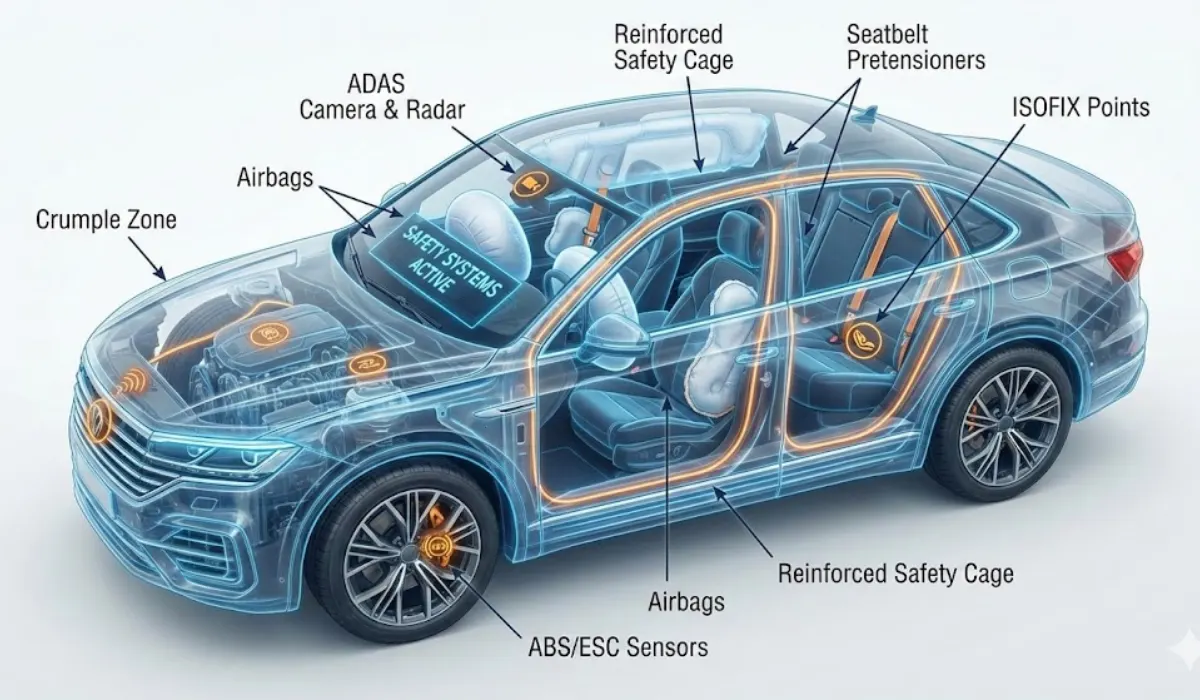
When it comes to selecting an automobile security is among the most crucial aspects. Our family members and our health depend on the security of the car we use. In this article I'll guide readers through the Top 10 Safety Features In Cars which not only safeguard passengers and drivers but also provide assurance to parents across the globe. No matter if you're buying your first car or just want to know the latest developments in security technology, this article is ideal for you.
What Are Safety Features in Cars?
Safety features on cars are the technology and design elements that keep occupants safe from harm in the case of a crash. They range from simple seat belts, to advanced driving assistance systems (ADAS) and have seen a dramatic improvement in the past few years. But what is it that are the reasons these features are so vital?
Why Are Safety Features Important in Cars?
It is clear that the necessity of having safety equipment in automobiles can't be overemphasized. They help prevent accidents, save lives and improve the overall security of the roads. From reducing the chance of accidents to cushioning the impact of a crash security features have one purpose with one goal in mind: safeguard you and your family members.
In this post, I'll talk about my personal experience and information regarding the top safety features on automobiles and explain the ways these features work to provide a safer driving experience.
Read also: Maker Of Car Models Like The MDX And TLX
Top 10 Safety Features In Cars
1. Airbag
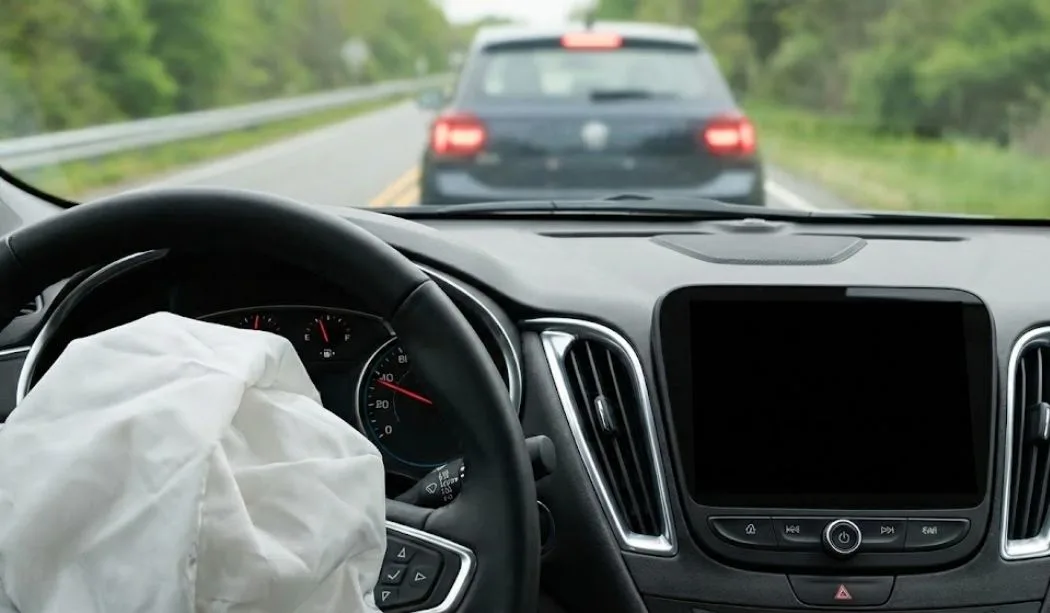
Airbag are designed to protect people in the event of an accident is a query that's frequently asked, and the answer is straightforward but crucial. Airbags are designed to fill rapidly in the event of an accident, creating an air cushion that reduces the force that hits the body. Modern cars are equipped with a variety of airbags for passengers, the driver as well as side impact, and also knee safety.
Airbags are important They are among the most important safety features mandated by law on automobiles that help prevent accidents or even death.
2. Anti-lock Braking System (ABS)
What is ABS? ABS functions: ABS prevents the wheels from locking when braking, particularly in slippery or wet conditions. This allows the driver to maintain control of the vehicle, and lessen the chance of sliding.
Advantages of ABS The ABS system will give you greater chance of avoiding accidents by allowing you to steer when brakes.
3. Adaptive Cruise Control
What's adaptive cruise? It's an advanced version of the regular cruise control that automatically alters the speed of the car to ensure a safe distance from vehicle in front. This improves the comfort of driving for long distances but additionally decreases the chance that rear-end accidents can occur.
What adaptive cruise control can do to can improve security By observing patterns of traffic and adjusting the speed of your vehicle in line with them to ensure that you do not get too close to other vehicles.
4. Blind Spot Detection
A very frequent accidents is when drivers shift lanes and do so without paying attention to vehicles that are in blind areas. Blind spot detector utilizes sensors to identify vehicles that aren't in sight of the driver and inform them when it's dangerous to make a change.
What is it? This method is particularly useful in conditions in which there are frequent changes in lane.
5. Lane Departure Warning
What are warnings about lane departures? This system warns drivers when the vehicle accidentally wanders off the lane, without signalling. It makes use of sensors or cameras to observe the lane markings and inform drivers via audio or visual signals.
How lane departure systems function They are an important safety feature to have to use during long drives in case fatigue could cause drivers to lose their focus.
6. Rearview Camera
A camera in the rear is an essential feature of most modern cars. The camera provides an live stream of what's in front of the vehicle while it reverses to help drivers avoid obstructions and pedestrians.
Why it's important The simple, yet effective feature can prevent back-over accidents, particularly when pets or children are in the vicinity.
7. Forward Collision Warning
Forward collision warning employs sensors to identify a possible collision with a vehicle or other object. It warns drivers to stop or steering, to stay clear of a collision.
How does it stop accidents It's designed to warn you prior to an accident, giving the time needed to respond.
8. Electronic Stability Control (ESC)
What exactly does ESC accomplish? This system helps keep skidding from happening or losing the control of a vehicle by putting brakes on specific wheels when the vehicle senses it is losing traction, particularly when turning sharply or in difficult road conditions.
What is the reason ESC is essential It's a great safety-related assistance system for drivers which could mean the difference between not causing the risk of a spin-out, and losing your grip in dangerous situation.
9. Traction Control System (TCS)
Similar similar to ESC, traction control can stop the wheels from spinning over slippery surfaces, and ensures that your vehicle maintains the grip and stability. It's especially useful during winter conditions or when driving when the roads are wet.
The benefits of TCS It keeps you on the right track, particularly when you are accelerating out of an ice-covered road.
10. Automatic Emergency Braking (AEB)
What is HTML0? AEB operates in the event of the danger of collision is present and the driver hasn't responded promptly and the automatic emergency brake system will take control and applies the brakes to stop or deflect the impact.
What it does to reduce the risk of accidents: AEB is designed to respond when a motorist is distracted, or does not have sufficient time for a reaction, which makes it among the most advanced safety features available in vehicles.
Read also: Apple CarPlay in Tesla Cars: What You Should Know
The Future of Automotive Safety Technology
It is believed that the future of technological safety is more promising than ever before, with new developments coming soon, including intelligent sensors, self-driving cars and vehicle-to-vehicle connectivity. As standards for car safety testing improve, these technology will get more advanced as they are integrated into the auto industry. Next generation automobiles are likely to include fully autonomous automobiles that are equipped with safety features driven by AI that will keep accidents from happening before they occur.
FAQ's: Top 10 Safety Features In Cars
1. What Are the Most Important Safety Features in Cars?
A few among the most crucial safety features found in automobiles include ABS, airbags as well as lane departure warning and cameras for rear views. These systems are in place to shield your from injuries and accidents.
2. Why Are Safety Features Important in Cars?
Safety features are vital to the prevention of accidents on the road and protect people in the event in the event of a collision. They give you peace of mind and guarantee your safety and that of your family members.
3. Are Modern Cars Safer Than Old Cars?
Modern cars are safer than earlier models. With the latest technologies such as ADAS airbags and automated braking systems, modern automobiles are more secure than ever before.
4. How Do Airbags Protect You?
Airbags quickly expand when there is collisions to cushion the impact and avoid injury to passengers and the driver. They are used in conjunction with seatbelts to ensure maximum safety.
Conclusion: The Importance of Safety Features in Cars
As technology in cars is constantly evolving, safety features are becoming more advanced and safer for drivers as never before. In addition to airbags to advanced driver assistance systems (ADAS), the Top 10 Safety Features In Cars help to reduce the possibility of accidents and provide an enjoyable and safe driving experience for all. When selecting a vehicle is essential to think about these features, particularly when you have children. For one thing, safety features in automobiles are not just for protection but also help save lives.