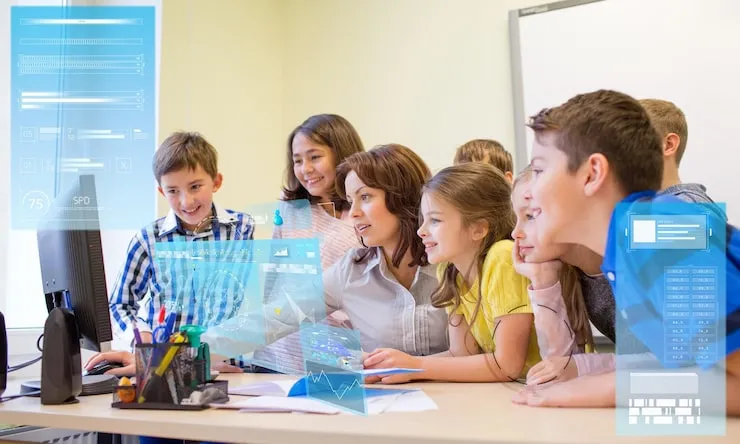
Imagine going to school where learning feels like an adventure. Instead of only reading books or writing on paper, you watch videos, play learning games, talk to teachers online, and explore the world using a tablet or computer. This is what education technology helps us do. Education technology, often called EdTech, means using technology to help students learn better in school. Technology includes computers, tablets, smartboards, learning apps, videos, and the internet. These tools help teachers teach and help students understand lessons in a fun and easy way.
In today’s world, education technology is becoming a big part of schools. It helps students learn faster, understand better, and enjoy school more. Let’s explore the many benefits of education technology in schools and why it is helping students, teachers, and families all around the world.
What Is Education Technology?
Education technology is any tool that uses technology to help learning. This can include computers, tablets, educational apps, online classrooms, videos, and interactive whiteboards. Instead of learning only from textbooks, students can now learn by watching animations, listening to audio lessons, playing learning games, and even talking to teachers through a screen. Education technology does not replace teachers. Instead, it helps teachers explain lessons better and helps students learn in ways that match how their brains work best.
Why Schools Use Education Technology
Schools use education technology because children learn in different ways. Some students learn better by seeing pictures, some by listening, and some by doing activities. Technology allows teachers to teach in many ways at the same time. Technology also helps schools prepare students for the future. Many jobs today use computers and digital tools. Learning with technology in school helps students become confident and ready for the modern world.
Learning Becomes More Fun and Interesting
One of the biggest benefits of education technology is that learning becomes fun. Instead of only reading long pages, students can watch colorful videos, play quizzes, and use interactive apps. When learning is fun, students pay more attention. They become curious and excited to learn new things. A math lesson can feel like a game, and a science lesson can feel like an exciting experiment. When students enjoy learning, they remember lessons better and feel happier in school.
Read also: How Parents Can Support Early Brain Development
Helps Students Understand Difficult Topics
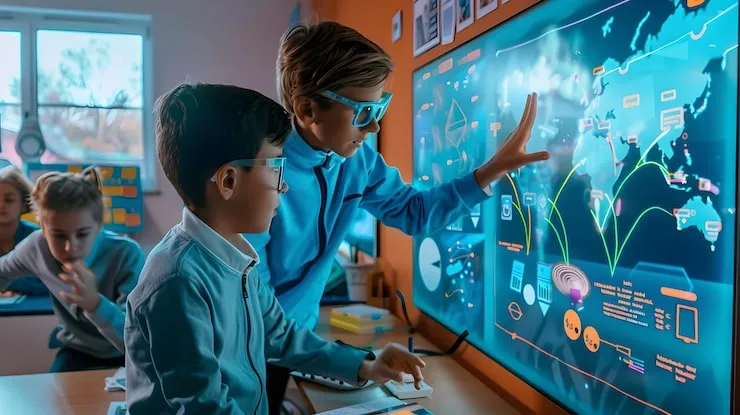
Some topics can be hard to understand when explained only with words. Education technology helps by showing pictures, animations, and videos. For example, instead of only reading about the solar system, students can watch planets move around the sun. Instead of imagining how plants grow, they can watch a video showing every step. Seeing and hearing information helps students understand faster and makes learning clearer.
Supports Different Learning Speeds
Not all students learn at the same speed. Some understand lessons quickly, while others need more time. Education technology helps with this problem. With technology, students can pause videos, replay lessons, or practice using apps until they understand. Fast learners can move ahead, while others can take their time. This makes learning less stressful and more comfortable for everyone.
Encourages Independent Learning
Education technology helps students learn on their own. They can explore lessons, search for information, and practice skills without always needing help. When students learn independently, they become more confident. They feel proud when they solve problems on their own and discover new ideas. Independent learning also helps students become responsible and curious learners for life.
Makes Classrooms More Interactive
Traditional classrooms often involve teachers talking and students listening. Education technology changes this by making classrooms more interactive. Students can answer questions on screens, participate in quizzes, and share ideas digitally. Teachers can ask questions and get instant responses from the whole class. Interactive classrooms help students stay active, focused, and involved in learning.
Helps Teachers Teach Better
Education technology is not only helpful for students but also for teachers. Teachers can use digital tools to plan lessons, show videos, and explain topics clearly. Technology helps teachers track student progress. They can see which students need extra help and which ones are doing well. This helps teachers give better support. With technology, teachers can save time on paperwork and spend more time helping students learn.
Improves Reading and Writing Skills
Reading and writing are important skills, and education technology helps improve both. Students can read digital books, listen to stories, and practice writing using computers or tablets. Some tools help students check spelling, grammar, and sentence structure. Others help with reading by highlighting words or reading text aloud. These tools help students become better readers and writers in a fun and supportive way.
Makes Learning Accessible for Everyone
Education technology helps students with different needs. Some students may have trouble seeing, hearing, or moving. Technology provides tools to help them learn comfortably. For example, text can be made bigger, lessons can be read aloud, and videos can have subtitles. This makes learning fair and accessible for all students. When everyone can learn equally, schools become more welcoming and inclusive.
Helps Students Learn Anywhere
With education technology, learning is not limited to the classroom. Students can learn at home, in libraries, or even while traveling. Online lessons and digital homework allow students to continue learning even if they cannot come to school. This is especially helpful during emergencies or school closures. Learning anywhere helps students stay connected to education no matter the situation.
Encourages Creativity and Imagination
Education technology gives students tools to create. They can make digital drawings, videos, presentations, and even simple computer programs. Creative activities help students express their ideas and imagination. They learn to think creatively and solve problems in new ways. Creativity is an important skill for the future, and technology helps nurture it from a young age.
Builds Teamwork and Communication Skills
Many education technology tools encourage teamwork. Students can work together on digital projects, share ideas online, and help each other learn. Working together teaches students how to communicate clearly, listen to others, and respect different ideas. These teamwork skills are important not only in school but also in everyday life.
Prepares Students for the Future
The world is becoming more digital every day. Education technology helps students become comfortable using technology from a young age. Students learn how to use computers, search for information safely, and use digital tools responsibly. These skills are important for future jobs and careers. By using technology in school, students are better prepared for the world outside the classroom.
Helps Parents Stay Involved
Education technology also helps parents stay connected to their children’s learning. Parents can see homework, grades, and messages from teachers online. This helps parents support their children better and understand how they are doing in school. When parents, teachers, and students work together, learning becomes stronger.
Read also: How to Develop Social Skills in Children
Makes Learning More Organized
Digital tools help keep learning organized. Homework, notes, and assignments can be stored online instead of on paper. Students can find their work easily and stay organized. Teachers can manage lessons and assignments more efficiently. Organization helps reduce stress and makes school life smoother.
Encourages Problem-Solving Skills
Many educational apps and games focus on problem-solving. Students learn how to think carefully, try different solutions, and learn from mistakes. Problem-solving skills help students become better thinkers. They learn not to give up when something is difficult. These skills are useful in school and in real life.
Supports Lifelong Learning
Education technology teaches students that learning does not stop after school. With online resources, students can continue learning new things anytime. They can explore topics they love, learn new skills, and satisfy their curiosity. This love for learning helps students grow into knowledgeable and confident adults.
Reduces Fear of Making Mistakes
Technology allows students to practice without fear. If they make a mistake, they can try again without embarrassment. This encourages students to experiment and learn from errors. Mistakes become part of learning, not something to fear. Confidence grows when students feel safe to try.
Makes Lessons More Realistic
Education technology helps connect lessons to real life. Virtual tours, simulations, and videos show how knowledge is used in the real world. Students can visit museums online, explore space, or watch how machines work. This makes learning more meaningful and exciting. When students see real-life connections, they understand why learning is important.
Challenges and Balance
While education technology has many benefits, balance is important. Too much screen time is not healthy, so schools combine technology with traditional learning. Teachers guide students on how to use technology wisely and safely. When used correctly, technology becomes a helpful tool, not a distraction.
Conclusion: A Brighter Future for Learning
Education technology is changing schools in wonderful ways. It makes learning fun, interactive, and accessible. It helps students understand lessons better, learn at their own pace, and prepare for the future. Teachers become more effective, parents stay connected, and students feel excited about learning. Education technology supports creativity, teamwork, and problem-solving.
Most importantly, it helps children enjoy learning and believe in their ability to grow and succeed. When schools use education technology wisely, learning becomes a joyful journey filled with discovery, confidence, and endless possibilities.