If you're new to the NHL and wondering how long is a hockey game NHL rules for beginners, this guide breaks it down simply and thoroughly. Like chatting with a buddy at the rink, we'll cover everything from play time to stops, breaks, and extras that stretch the night.
NHL Game Basics
Standard NHL games run three 20-minute periods, totaling 60 minutes of actual play clock time. The clock only ticks during active play— it stops for pucks out of bounds, penalties, or icing calls, turning that hour into a 2- to 2.5-hour event at the arena. Referees drop the puck for faceoffs to restart, keeping things fair and fast-paced on the 200-foot rink.
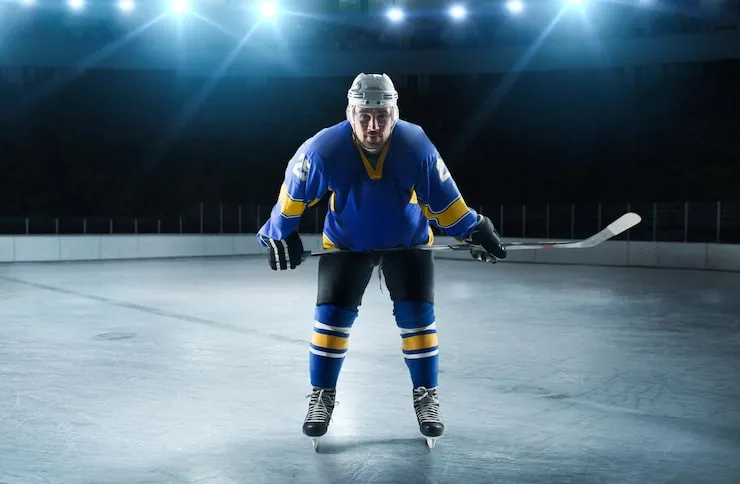
Teams skate six players each: five skaters (three forwards, two defensemen) plus a goalie covering the 4x6-foot net. Line changes happen on the fly every 40-60 seconds, swapping fresh legs without halting play. Home teams maintain the ice, but rules stay uniform from Toronto to LA.
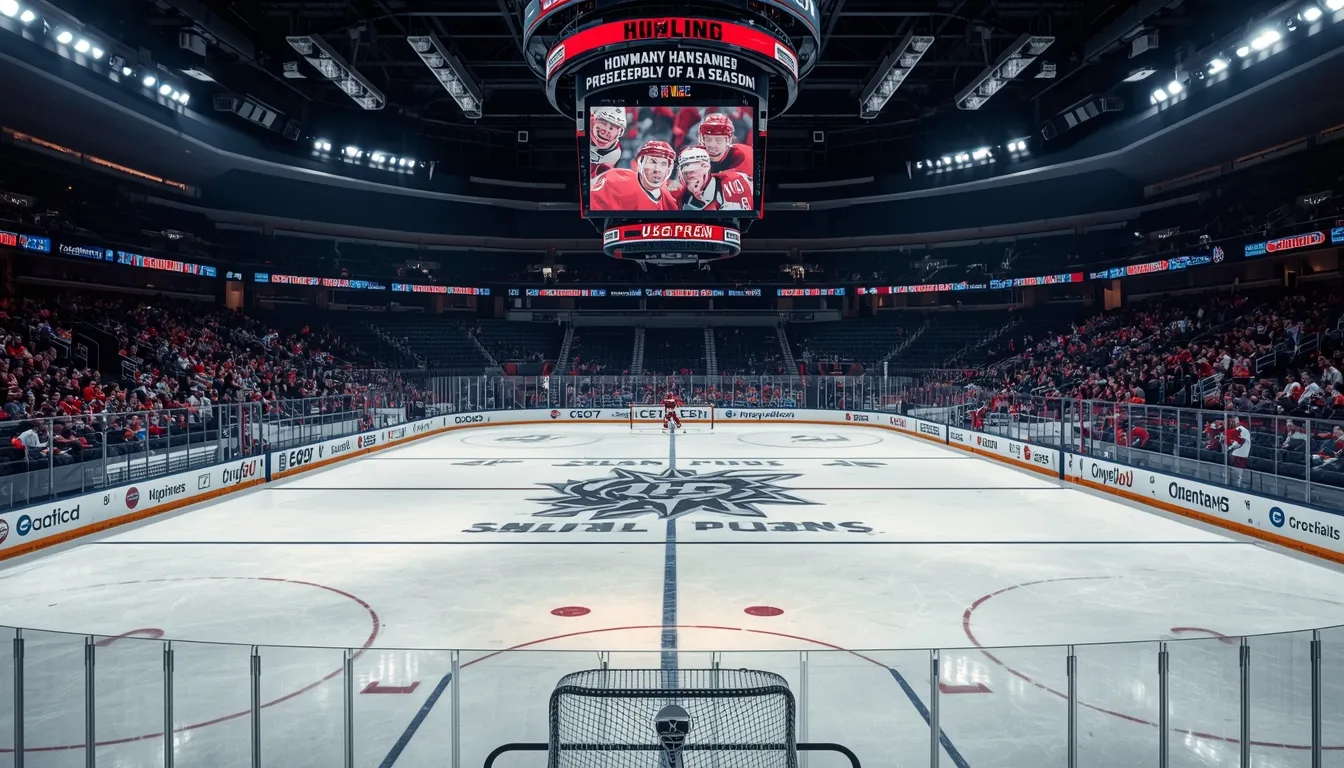
This rink layout shows zones, faceoff dots, and lines that dictate play—blue lines mark offside, the red center line splits neutral zone.
Know; Simple Tips for Taking Care of Your Gear
The Three Periods Explained
First period opens with a center-ice faceoff; teams battle 20 minutes until the buzzer. Zambonis resurface during 15- to 17-minute intermission, clearing snow from skates and shots. Second period heats up with more hits and chances, another 20 minutes. Third period cranks intensity—last goal often wins it, 20 minutes more.
Why periods? Continuous 60-minute skating would exhaust players; breaks let coaches adjust lines and fans refuel. Sides switch each period for fairness. Buzzers signal ends, teams retreat to benches for strategy huddles. Fun fact: Zambonis use hot water to melt and smooth ice, preventing grooves that cause slips.
Each period feels like its own mini-battle, packed with end-to-end rushes. For beginners, picture it as three chapters building to a climax.
Why Games Exceed 60 Minutes?
Stops pile up: puck over glass (delay of game), goalie freezes, offsides (entering attack zone early), or icings (puck shot across goal line untouched). A busy game with 50-70 stoppages adds 90+ minutes. TV timeouts—one per period, 90 seconds—fund broadcasts without disrupting flow.
Line changes keep pace frantic; coaches bang sticks signaling swaps. Goals trigger celebrations and faceoffs, pausing 30-60 seconds. Fights or injuries extend further, but refs enforce quick restarts—no endless delays.
Real-world average: 2.5 hours, longer on fight-heavy nights like old-school rivalries (Leafs vs. Habs). Analogy: Road trip with gas stops—core drive is 60 minutes, but reality stretches it.
Intermissions in Detail
Two main breaks: post-first and post-second periods, 15-17 minutes fixed by NHL rules. Players hydrate, retape sticks, review video on tablets. Coaches diagram power plays or yell adjustments. Goalies get crease tweaks.
Fans line concessions for dogs, beers, or jerseys; arenas buzz with kiss cams and promos. TV airs analysis, highlights. Second intermission often features halftime entertainment—acrobats, local bands, or player trivia.
These pauses refresh: tired legs mean sloppy passes, turnovers. Post-intermission faceoffs restart crisp. For how long is a hockey game NHL rules for beginners, factor 30-35 extra minutes here.
Overtime and Shootouts
Tied after 60? Regular-season overtime: 5 minutes, 4-on-4 sudden death—first goal ends it. Opens ice for rushes. No score? Three-shooter shootout per team, goalie vs. solo skater, most makes wins point.
Playoffs differ: full 20-minute periods, 5-on-5, until winner—no shootouts. Famous marathons like 2003 Pittsburgh (five OTs) lasted 5+ hours. Adds 10-30 minutes typically; ties rarer now (under 25% games).
Thrill factor: Heroes like Crosby shine in extras, sending fans into frenzy.
Penalties and Power Plays
Minor penalties (tripping, hooking, slashing): 2 minutes in box, power play for opponents (5-on-4). Goal kills penalty early. Majors (fighting): 5 minutes, coinciding penalties cancel.
High-sticking (above shoulders), cross-checking, boarding—refs whistle quick. Too many men or delay (puck over glass): minors. Power plays favor umbrella (point men high) or overload setups.
Penalties stop clock, add 5-10 minutes total. Teach fair play; excessive hurt win odds (e.g., PK success ~80%). One-timers off passes light lamps during advantages. NHL Preseason Diversions Explained.
Common list:
- Tripping: Leg hook.
- Slashing: Stick on hands/legs.
- High-sticking: Puck played above waist illegally.
- Hooking: Stick pull.
- Interference: Hit off-puck player.
TV Timeouts and Line Changes
Three TV breaks: 90 seconds mid-period, announcers recap while lines rest. Line changes: fluid, 45-second shifts; forwards cycle, D pairs tag-team. Goalies rarely swap.
Bench chaos—coaches signal "change!" as puck turns neutral. Stops only if iced or dead. Adds 4-6 minutes total, balances TV revenue with pace.
In-person: Seamless blur; TV highlights it. Pros glide like clockwork.
Injuries and Other Stoppages
Hits jar players—refs halt for trainer checks (concussions, cuts). Stretchers rare, applause follows returns. Safety gear (helmets since '79, visors now mandatory) minimizes.
Stuck puck (under dasher): ref pokes free, 10-second delay. Hand passes or high-sticks touching puck: whistles. Goalies cover puck: faceoff outside crease.
Rarely exceed 5 minutes total; league targets under 3 hours. Prioritizes health over speed.
Home vs. Away Differences
Uniform rules everywhere—no length variance. Home handles Zamboni, music; away adapts to ice quirks (colder = faster). Travel fatigues visitors, but refs even it.
Fun Facts for New Fans
- Puck: Frozen vulcanized rubber, 6 ounces, 1-inch thick.
- Rink: 85x200 feet NHL standard.
- Longest game: 1990 playoffs, 6 OTs (116 minutes).
- Records: Most penalties one game? 57 (1934). Fastest OT goal: 6 seconds.