You know what nobody tells you about geography. It is not about maps. Maps are just paper. What matters is the land. The actual land. The stuff you can touch and feel. And India has some of the strangest land you will ever see.
I remember my teacher telling me something once. She said look at the map of India. Just look at it. Up at the top you have these huge mountains. Like a wall. Then below that you have all this flat land. Then below that you have this triangle shape that goes down to the bottom. And then on the sides you have water. So much water it goes on forever.
That stuck with me. Because India is not one thing. India is many things. All stuck together.
Start with the mountains up north
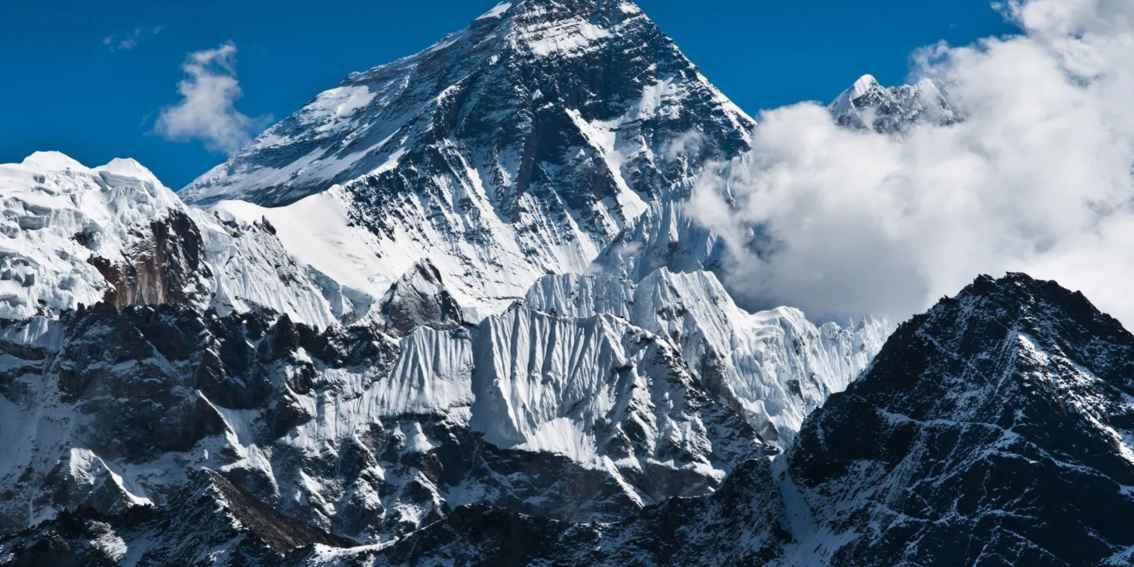
The Himalayas are big. Everyone knows that. But do you know how big. Really big. Like visible from space big. Like they have their own weather big. The mountains are so tall that they block clouds. The clouds have to go up and over. And when they go up, they cool down. And when they cool down, they drop rain. That is why the side facing the mountains gets so much rain. That is why the other side is dry.
Nobody really understands this until they see it. I saw it once. I was in a place called Mawsynram. The rain there is crazy. It rains almost every day. The houses have roofs made of grass that go down to the ground. The grass is thick. It absorbs the rain. The water slides off slowly. If the roof was flat, the water would just pour down and flood everything. But the people who built those houses knew what they were doing.
The mountains are not just tall. They are also young. Young mountains are rough and sharp. Old mountains are smooth and rounded. The Himalayas are rough. They have not been worn down yet. And they are still growing. The ground under them is pushing. A few centimeters every year. That does not sound like much. But over a million years, that adds up. A lot.
Read Also: Best Apps For Government Exam Preparation
Then come down to the plains
The plains are where most people live. Why. Because you can grow food here. The soil is good. The water is there. You do not have to work too hard to make things grow. Just plant seeds and wait for rain. The rain comes. The crops grow. This has been happening for thousands of years.
The rivers from the mountains bring silt. Silt is like mud but finer. It is full of stuff that plants need. So every time the river floods, it spreads this silt over the land. The land gets richer. The next crop grows better. This is not complicated. This is just how things work.
But the plains are not perfect. The rivers flood. And when they flood, they destroy things. Houses. Roads. Crops. Sometimes people. Every year this happens. And every year people rebuild. You might ask why they do not just move somewhere else. But where would they go. This is their home. Their parents lived here. Their grandparents lived here. You do not just leave that.
There is something else about the plains. They are flat. Completely flat. You can look in any direction and you will not see a hill. Just fields. And trees. And villages. And more fields. It goes on forever. Some people find this boring. I find it peaceful.
Now the desert
Rajasthan is completely different. It is not flat. It is sandy. And hot. So hot that the sand can burn your feet in the afternoon. You have to wear shoes or you cannot walk. I learned this the hard way.
The Thar Desert is the most populated desert in the world. Think about that. Most deserts are empty. Nobody lives there. But here, people live everywhere. They have figured out how. They dig wells. The water is deep underground. They have to go down far to reach it. Sometimes the well is dry. Then they have to dig another one.
The houses in the desert are thick. The walls are made of stone or mud. They keep the heat out during the day. At night, they keep the warmth in. The temperature drops a lot at night. You need a blanket even in summer.
There is not much rain here. When it rains, it is a big event. Everyone comes out. The children play in the water. The farmers look at the sky and smile. The rain does not last long. But it is enough. Enough to grow some grass. Enough for the animals to eat.
The plateau in the middle
The Deccan Plateau is old. Really old. The rocks here are billions of years old. The mountains in the north are just babies compared to this. The plateau has been sitting there forever.
The plateau is higher than the plains. But it is not as high as the mountains. It is like a raised table. Flat on top. Steep on the sides. The sides are called the Ghats. The Western Ghats are steep. The Eastern Ghats are not as steep.
The Western Ghats catch the rain. The rain comes from the Arabian Sea. The wind carries the moisture. The mountains block it. The clouds go up. The rain comes down. This is why the west coast of India is so green. This is why Kerala is called God's Own Country. Because it really is beautiful.
The Eastern Ghats do not catch as much rain. The wind has already lost most of its moisture by the time it reaches the east. So the east coast is drier. Less green. More brown.
The plateau has minerals. Iron. Coal. Manganese. Things you need for industry. This is why there are factories here. The raw materials are right there. You do not have to bring them from somewhere else. Just dig them out of the ground.
The coasts on both sides
India has a long coast. Longer than most countries. The west coast is narrow. The mountains come right up to the sea. There is not much flat land in between. The east coast is wide. The rivers have built up land over time.
The west coast gets more rain. The east coast gets less. This affects everything. The food. The houses. The way people live. On the west coast, you see rice. On the east coast, you see more cotton.
Fishing is huge. So many people depend on the sea. They go out in the morning. They come back in the evening. The catch goes to the market. Some of it gets dried. Dried fish can be stored for a long time. It can be sent to other parts of India. People in the mountains eat dried fish because fresh fish is not available.
The coast also has ports. Big ports. Mumbai. Chennai. Kolkata. These ports connect India to the rest of the world. Ships come from other countries. They unload goods. They load other goods. Then they leave. This has been happening for centuries.
The islands are separate
The Andaman and Nicobar Islands are far from the mainland. You have to take a ship or a plane to get there. The islands are closer to Thailand than to India. The people there look different. They speak different languages. Their food is different.
Some of the islands have volcanoes. Barren Island is one. It erupted in 2017. The lava flowed into the sea. The whole island is black rock. Nothing grows there. It is just a pile of volcanic rock in the middle of the ocean.
The Lakshadweep Islands are on the other side. They are smaller. They are made of coral. Coral is not rock. It is the skeletons of tiny animals. They build up over time. Millions of years. Eventually they form an island. The water around these islands is clear. You can see the fish swimming.
The people on these islands are different from the people on the mainland. They have their own customs. Their own festivals. Their own way of life. They do not think of themselves as Indian first. They think of themselves as Andamanese or Lakshadweepi first. Then Indian.
The monsoon is everything
The monsoon is not just rain. The monsoon is life. Without the monsoon, nothing would grow. The rivers would run dry. The ground would crack. People would starve.
The southwest monsoon comes in June. It hits Kerala first. Then it moves up. Across the country. It takes a few weeks to cover everything. By July, most of India has rain. The rain continues until September. Then it stops.
But the rain is not the same everywhere. Some places get a lot. Some places get very little. The Western Ghats get huge amounts. The Thar Desert gets almost nothing. This is because of the wind. The wind comes from the sea. It is full of moisture. Then it hits the mountains. The moisture comes out as rain. By the time the wind reaches the desert, there is no moisture left.
The northeast monsoon comes in October. This one brings rain to the east coast. Tamil Nadu and Andhra Pradesh get their rain from this. The rain is less than the southwest monsoon. But it is still important.
Farmers wait for the monsoon. They plant their seeds when the rain comes. They harvest their crops when the rain goes. The whole calendar is based on this. The festivals are based on this. The economy is based on this.
Rivers are the veins of the country
The Ganga is holy. People bathe in it. They drink its water. They offer prayers to it. But the Ganga is also dirty. Really dirty. Industrial waste. Sewage. Dead animals. Everything goes into the river. The same river that people worship is the same river that people pollute.
The Brahmaputra is wild. It changes its course. One year it flows here. The next year it flows somewhere else. The people living along it never know where the water will be. Houses have been washed away. Villages have disappeared. And still people live there.
The rivers connect everything. You can travel from one end of the plains to the other without walking. Just take a boat. This is how goods were transported before trains and trucks. This is how people moved. This is how ideas spread.
You May Also Like" What Happened During The Boston Tea Party
What does all this mean for students?
- Geography is not boring. It is the most interesting subject. Because it is not about remembering facts. It is about understanding why things are the way they are.
- Why do people in Rajasthan eat bajra while people in Punjab eat wheat. Because bajra grows in dry soil. Wheat needs more water. The land decides what you eat. Not you.
- Why do people in Kerala eat fish while people in Delhi eat meat. Because Kerala is by the sea. Delhi is not. The sea decides what you eat. Not you.
- Why do people in Mumbai wear cotton while people in Srinagar wear wool. Because Mumbai is hot. Srinagar is cold. The temperature decides what you wear. Not you.
This is the point. Geography is not about maps. It is about you. Your food. Your clothes. Your house. Your festivals. Everything comes from the land. Everything comes from the climate. Everything comes from the geography.
India has so many different geographies. That is why India has so many different people. That is why India is not one country. India is many countries pretending to be one. And that is what makes it special.
FAQs
1. Which is the rainiest place in India?
Mawsynram in Meghalaya. It gets more rain than anywhere else in the world. The rain comes from the monsoon winds hitting the hills. The clouds break there and pour down almost every day.
2. Why do rivers in South India dry up while North Indian rivers keep flowing?
The rivers in the north get water from melting snow in the Himalayas. So even when it does not rain, they still have water. The rivers in the south do not have snow. They only get water from rain. When the rain stops, they run dry.
3. Which Indian state has the longest coastline?
Gujarat has the longest coastline. More than 1,600 kilometers. The state has many bays and inlets. That is why the coast is so long.