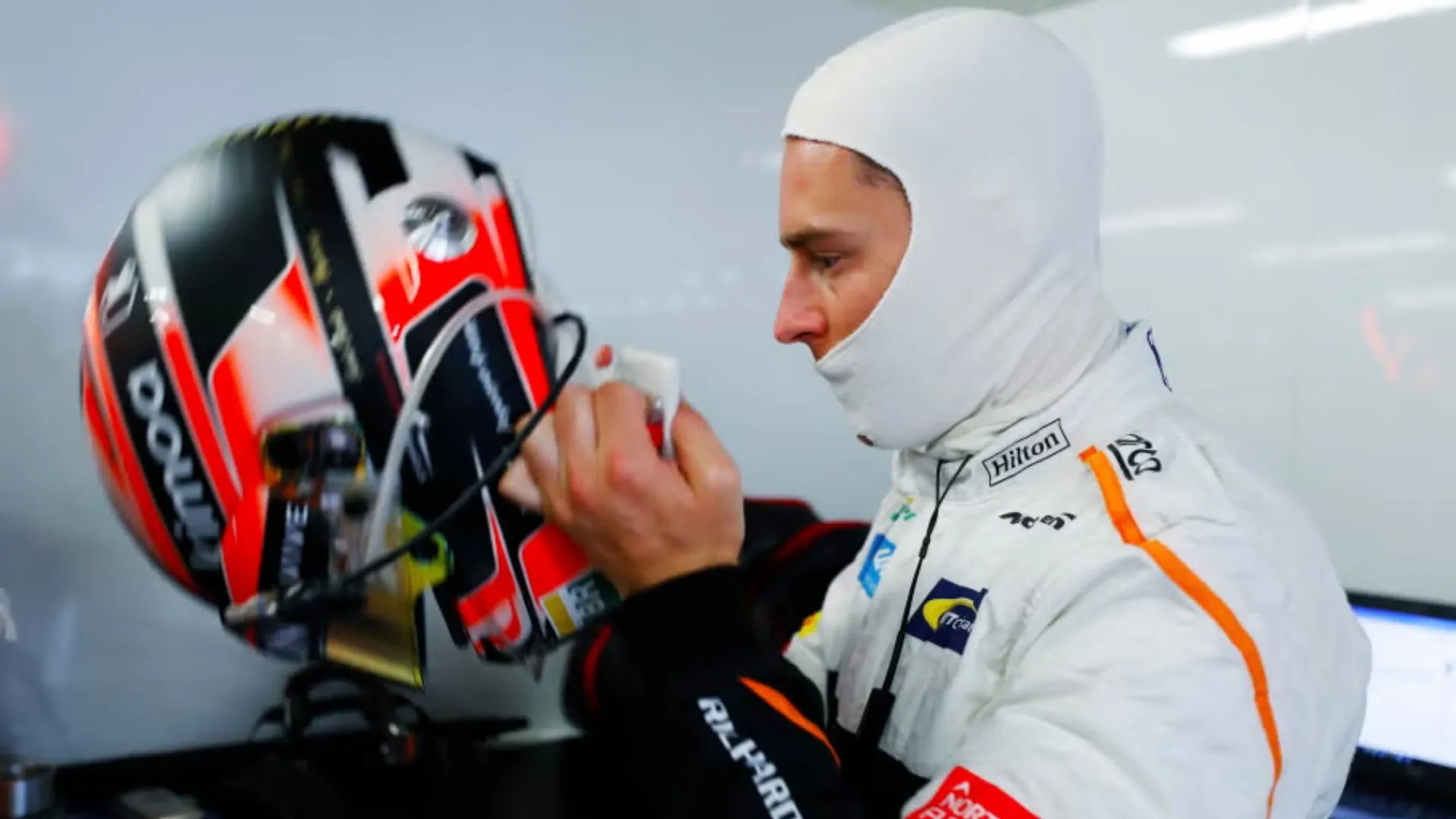
When a Formula 1 car crashes, the first thing between the driver's head and death is a helmet. That helmet is not like the one you wear on a bicycle or a motorcycle. It is a piece of life saving equipment built inside a lab. Every layer has a job. Every material has a reason.
This guide will walk you through each safety feature inside an F1 Helmet Safety Features. You do not need to be an engineer to understand this. We will use everyday words and real examples.
Why the Helmet Matters More Than You Think?
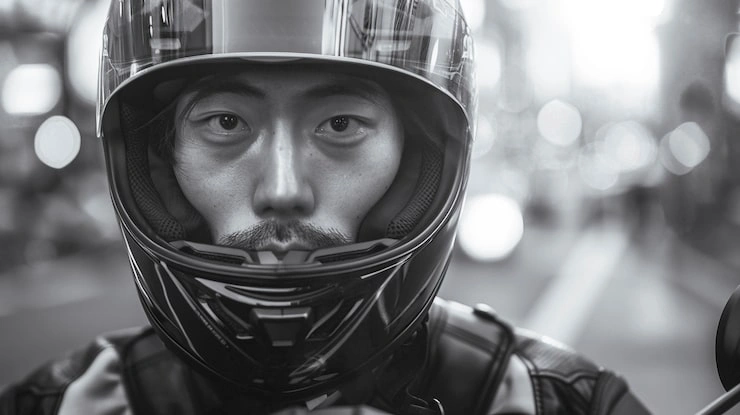
An F1 driver's head faces forces that most people cannot imagine. During a crash, the head can pull forward with the weight of 40 to 60 kilograms. That is like carrying a large dog on your neck for a split second. The helmet must stop that force from breaking bones or hurting the brain.
Also, parts can fly off the car. Small pieces of carbon fiber move as fast as bullets. The helmet must block those too. Fire is another danger. Fuel can spill after a crash. The helmet must keep the driver safe from heat and smoke.
So this is not a fashion item. This is a shield.
The Outer Shell First Layer of Defense?
The outside of the helmet is hard. Very hard. It is made from carbon fiber and other strong materials stacked in layers. Think of it like plywood but much stronger. Each layer sits in a different direction. This stops cracks from spreading.
When something hits the shell, the shell pushes that force across a wide area. That means one small rock hitting the helmet does not put all the force in one tiny spot. The shell spreads it out like throwing a stone into water. The ripples go far and wide.
The shell also stops sharp things from cutting through. In past races, parts of other cars have hit drivers on the head. The shell took the hit and kept the driver awake and aware.
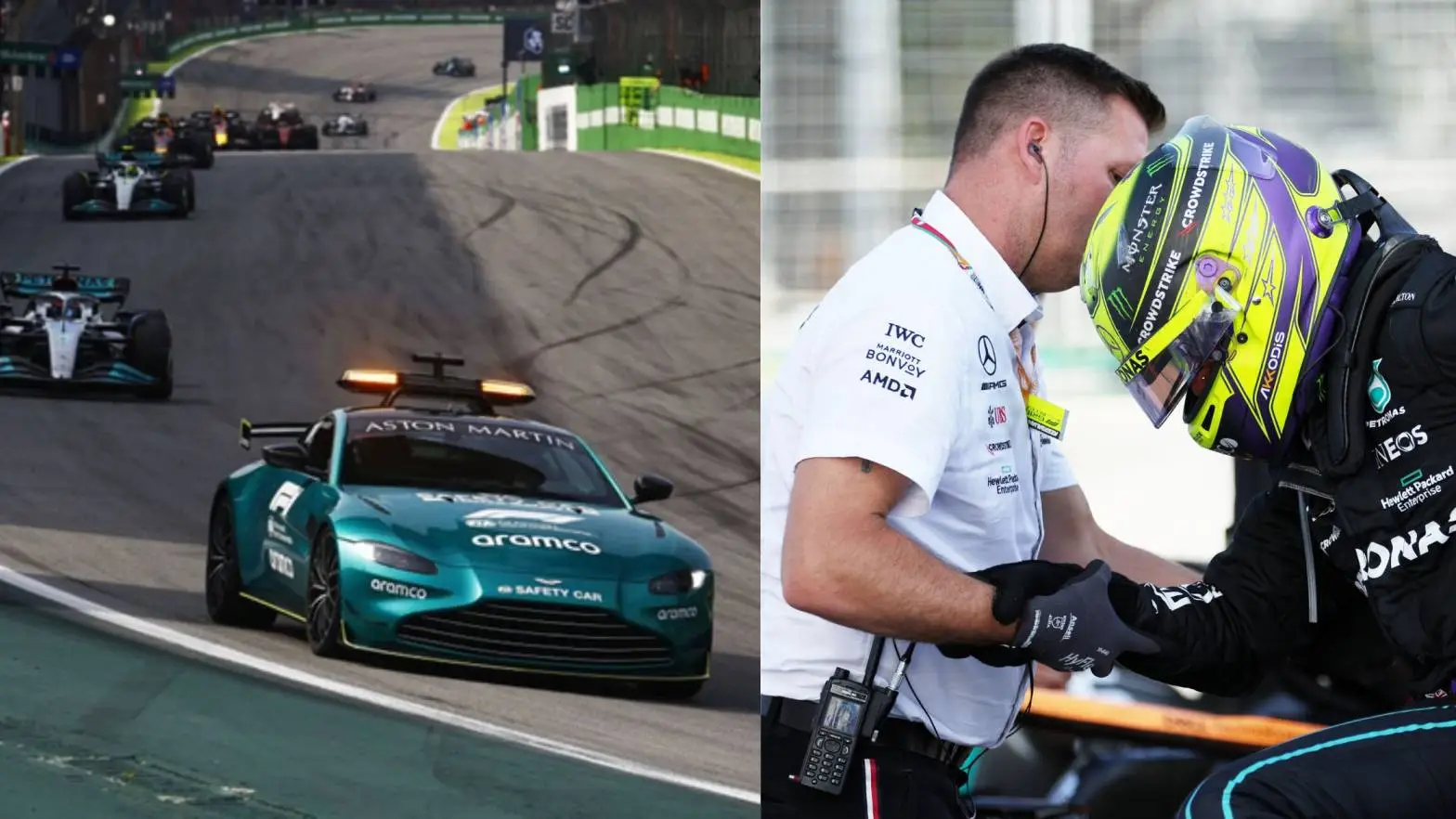
Read Also: Why Formula 1 Drivers Weave Behind Safety Car
The Liner Soft Inside for Hard Hits
Under the hard shell is a soft liner. This part looks like thick foam. But it is special foam that changes when hit hard. In a slow crash, the foam feels firm. In a fast crash, the foam crushes and takes away energy.
This is important because the head cannot stop suddenly. If the helmet stopped too fast, the brain would hit the inside of the skull. That causes injury. The liner gives the head a little more time to slow down. Even a few thousands of a second helps a lot.
The liner also fits the driver's head shape. Each helmet is made for one driver. There are no gaps. No loose parts. That close fit keeps the helmet from twisting on the head during a crash.
The Visor Your Clear Window to the Track
The front of the helmet has a clear shield called the visor. The driver looks through this to see the track, the other cars, and the corners. But it cannot be weak. It stops small parts moving very fast.
The visor has many layers of polycarbonate. This is the same material used in bullet proof glass but thinner and curved. The layers stick together with a special film. If the visor cracks, the film holds the pieces in place. No sharp edges reach the driver's eyes.
The visor also has a coating that resists fog. F1 cars make heat and moisture. Without this coating, the visor would cloud up inside. The driver would see nothing. That is too dangerous for racing at high speed.
Visor Tear Offs Keeping Vision Clean
On top of the visor are thin plastic strips. These are called tear offs. When dirt, rubber, or oil lands on the visor, the driver pulls one strip away. A clean layer is ready underneath.
A driver may use many tear offs in one race. Each one is sealed around the edge so no dirt gets under it. The strips also do not change how the visor bends light. The driver sees the track exactly as it is.
Some new helmets use a roll off system instead of tear offs. A clear film rolls across the visor on a small spool. The driver turns a knob and the dirty film moves away. Both ways do the same job keep the driver's view clear.
The Chin Strap and Holds Staying On No Matter What
A helmet that comes off in a crash is useless. The chin strap keeps the helmet on the head. But this is not a simple strap. It is made from very strong fabric that does not stretch.
The strap connects to the shell at two sides and the back. When the driver tightens it, the helmet locks down. Even if the car flips or rolls, the helmet stays put. The strap also works with the head and neck support device called HANS.
We will talk about HANS next. But the short version is the strap hooks into that device. So the helmet, the strap, and the neck support all work as one unit.
HANS How the Helmet Talks to the Neck
HANS stands for Head and Neck Support. It is a collar shaped piece that sits on the driver's shoulders. Two straps run from the collar to the helmet. In a crash, the helmet pulls on those straps. The straps pull on the collar. The collar pushes against the driver's chest and the seat.
This stops the head from flying forward too far. Before HANS, many drivers broke their necks in crashes. The head would move forward while the body stopped. Now HANS holds the head back just enough to stop injury.
The helmet is built with special anchor points for HANS straps. Those anchors are molded into the shell. They do not stick out or catch on anything. But they are strong enough to hold many times the driver's head weight.
Fire Protection A Helmet That Does Not Burn
Fuel fires happen in racing. Not every race. But they happen. An F1 helmet must protect the driver for several seconds in a fire. That is enough time to get out.
The outside of the helmet has a fire resistant coating. This coating does not let flames stick to the shell. Inside, the liner has fire proof fabric around the foam. The driver's head stays away from heat.
The visor also has a fire shield. This is a thin layer of gold or other metal sprayed onto the clear part. That metal reflects heat away from the driver's face. You can see a slight gold shine on some F1 Helmet Safety Features if you look closely.
The chin area has a fabric flap that blocks fire from going up into the helmet from below. Every opening has a seal. Fire has no easy path to the driver's skin.
The Earpieces and Radio Staying in Touch
Inside the helmet, small speakers sit next to the driver's ears. The team talks to the driver through these. But in a crash, the earpieces also help. They keep the driver calm by letting the team give instructions.
The earpieces are molded to the driver's ear shape. They do not move. They also block some outside noise. The engine is loud. Too much loud noise makes a driver tired. The earpieces lower that noise to a safe level.
The radio wires run inside the helmet liner. There are no loose wires to catch on anything. Everything is tucked away and held down.
Drink Tube Staying Wet During a Long Race
An F1 race lasts about two hours. Inside the car, the driver gets very hot. Sweat pours out. The driver needs water. A small tube runs from a water bottle in the car into the helmet. The tube ends near the driver's mouth.
The driver pushes a button on the steering wheel to get a drink. The tube has a valve that only opens when the driver drinks. No water leaks into the helmet.
The tube also has a quick release. If the driver needs to get out fast after a crash, pulling the helmet pulls the tube apart. No time is wasted undoing the drink line.
Weight and Balance Not Too Heavy on the Head
All these parts add weight. An F1 helmet weighs about 1.8 kilograms or four pounds. That may not sound like much. But on a driver's head during fast corners, that weight pulls sideways very hard.
The helmet shell is shaped to cut through the air. Wind flows over the top and down the back. This stops the helmet from lifting up at high speed. A lifting helmet would pull on the neck.
The weight is also balanced. The front is not heavier than the back. The visor does not tip the helmet forward. Every gram is placed with care.
Testing Every Helmet Before It Reaches the Driver
No F1 helmet goes to a track without passing many tests. The FIA which runs Formula 1 has a long list of tests. Each helmet must survive these before anyone wears it.
One test drops a heavy weight on the helmet from high up. Another test shoots a metal spike into the helmet. Another test puts the helmet in a hot fire for many seconds. If the helmet fails any test, it goes back to the factory.
Each driver gets several helmets per season. Every helmet is tested alone. There is no batch testing. One helmet that passes does not mean the next one passes. Each one earns its approval.
Old Helmets vs New Helmets A Big Difference
F1 helmets from thirty years ago look similar but they are not the same inside. Old helmets had weaker shells. The foam inside was not as good at stopping force. There was no HANS anchor. The visors cracked more easily.
Drivers in the past died from head injuries that modern helmets would stop. Today's helmets are much stronger and lighter. The improvement has saved many lives. Crashes that looked terrible ended with the driver walking away.
This matters because new fans might think old races were safer. They were not. The helmets now are one big reason F1 has not lost a driver to head injury in many years.
What the Driver Feels Inside the Helmet?
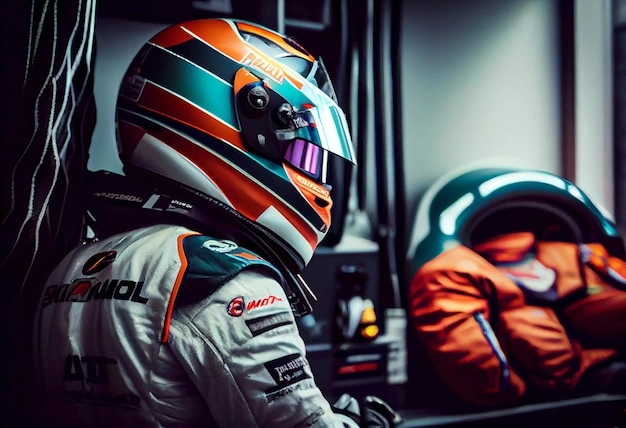
Put yourself in the driver's seat. You pull the helmet over your head. The liner squeezes your cheeks lightly. You can hear your own breath. The chin strap tightens. You pull the visor down. The world gets quieter. The engine becomes a low hum. You feel the car shake through the helmet shell. But your head feels locked in place. Nothing moves. Nothing rattles.
When you crash, the first thing you notice is the push. The helmet presses against your head hard. Then it stops. The liner did its job. You open your eyes. The visor is still clean. The shell has no cracks. You can get out. That feeling of being held safe is the whole point of every feature we talked about.
Keeping the Helmet Clean and Ready
Between races, the helmet goes back to the factory. The liner comes out for cleaning. The visor gets a new set of tear offs. The radio wires get checked. The shell is looked at for small cracks.
Even a tiny crack means the helmet cannot be used again. The shell must be perfect. Once a helmet takes a big hit, it is retired. The foam liner does not bounce back. It stays crushed. A helmet that saved a driver once will not get a second chance.
Teams have many helmets. Each driver uses several per season. The old ones sometimes go to museums or stay with the driver as a memory..
You May Also Like: Best F1 Races Of All Time: Thrilling Moments and Close Finishes
Final Thoughts Why This Matters to You
You may never drive an F1 car. But the safety inside that helmet affects you too. Car makers and helmet makers for everyday roads learn from F1. The foam in a bicycle helmet today came from racing. The visor coatings on motorcycle helmets came from racing. Every time you see a driver walk away from a bad crash, thank the helmet. And now you know what is inside that helmet. Not magic. Not luck. Just good design, strong materials, and hard work by people who care about one thing keeping the driver safe. The next time you watch an F1 race on TV, look at the helmets. Each one carries years of learning. Each one is a promise that the driver will go home after the race.
Frequently Asked Questions
How often do F1 drivers get a new helmet?
Most drivers use several new helmets each season. A helmet that crashes hard is replaced right away.
Can you buy an F1 helmet for yourself?
You can buy replica helmets but real F1 helmets are not sold to the public. They are custom made for each driver.
Do F1 helmets stop bullets?
They are not made for bullets. But small flying parts from a car crash move as fast as some bullets. The helmet stops those.
Why do F1 helmets have no bright colors on top?
Some have bright colors. But the top is often left dark or bare to reduce sun glare into the visor.
How long does it take to make one F1 helmet?
About two to three weeks from start to finish. Most of that time is letting the layers dry and harden.